Compare the Best Intraoral Scanners for Modern Dental Practices

Scanner Compatibility at NovaDent
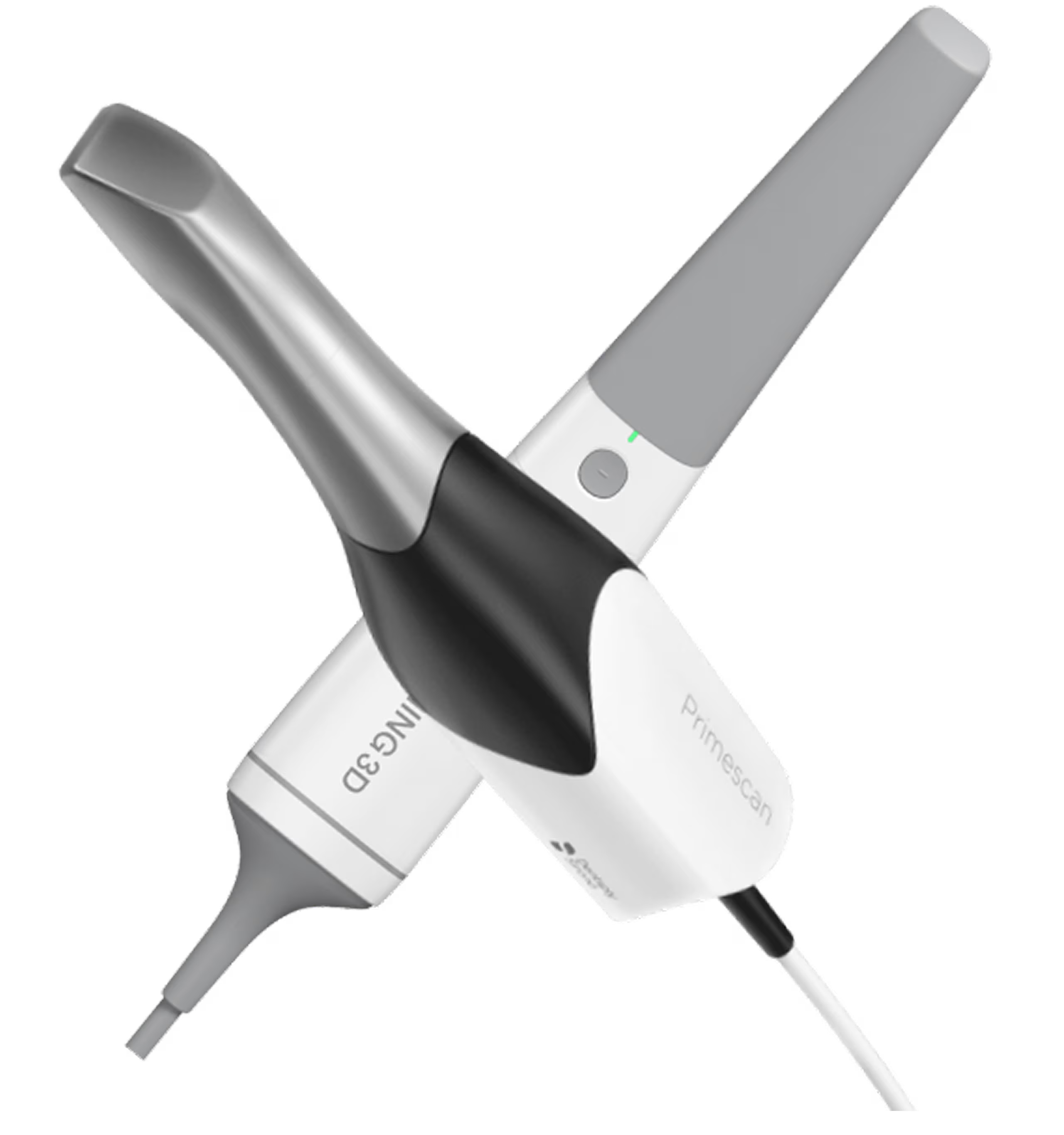
NovaDent accepts digital impressions from all major intraoral scanner systems including:
- 3Shape TRIOS
- iTero
- Medit
- Dentsply Sirona Primescan
- Planmeca
- Carestream
- Shining 3D Aoralscan
- Aidite Infinity
Our digital workflow supports open file and proprietary scanner ecosystems, allowing seamless collaboration with dental practices across Australia.
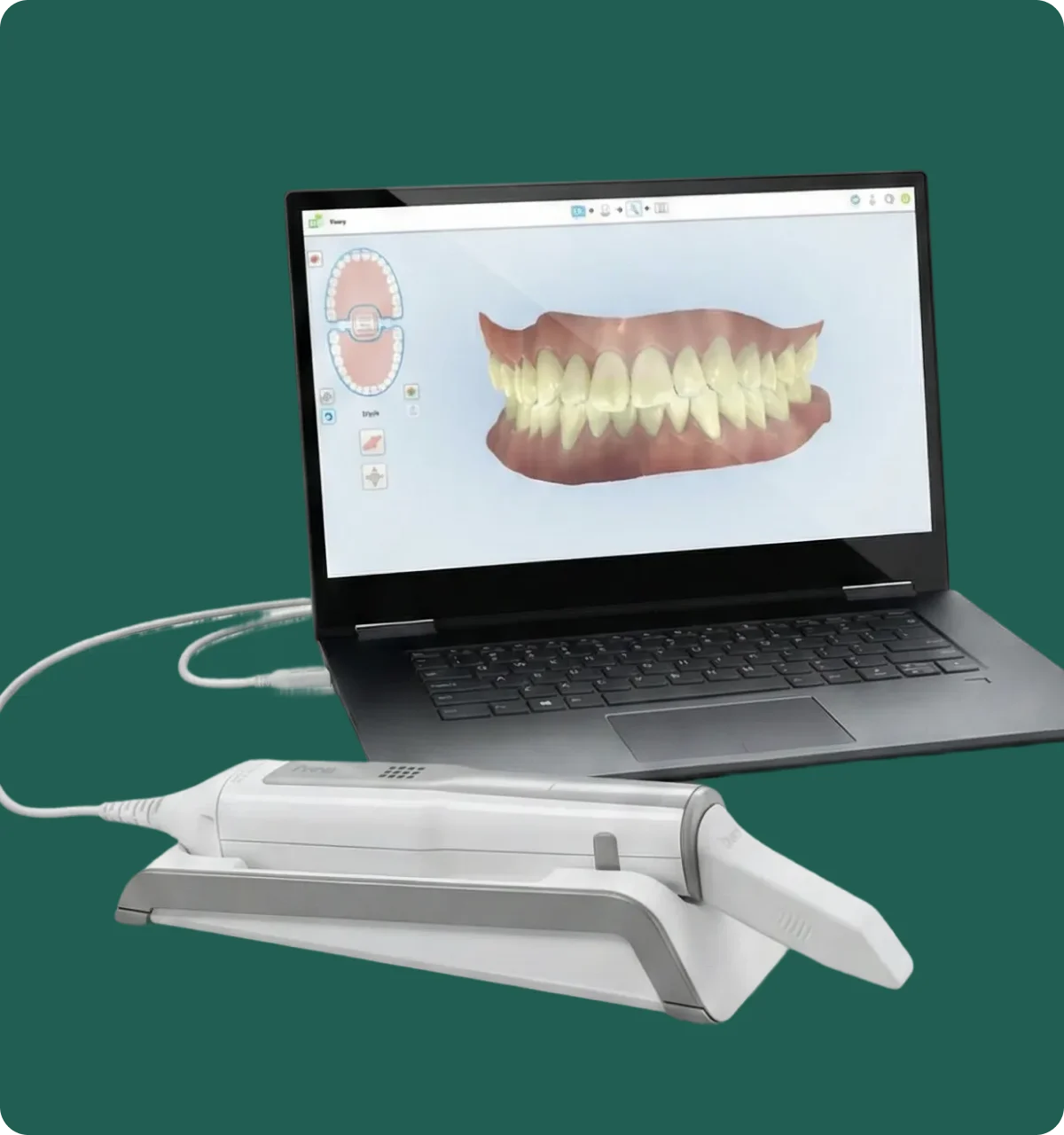
Intraoral Scanner Comparison Table
Compare the most popular intraoral scanners used by modern dental practices including TRIOS, iTero, Medit, Primescan and more. Filter scanners by workflow needs, budget, scanning speed and key features to find the best fit for your practice.
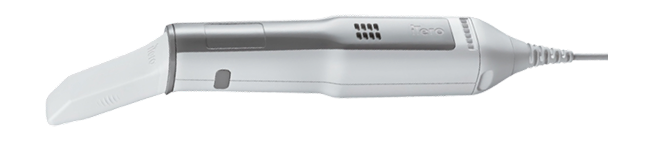
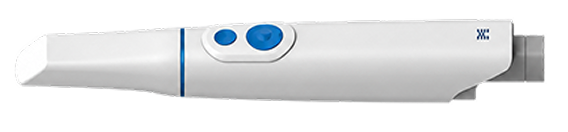
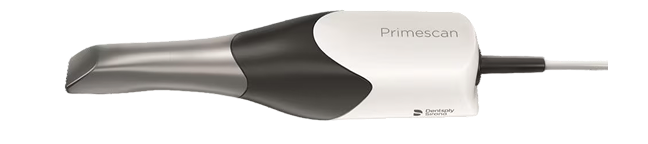
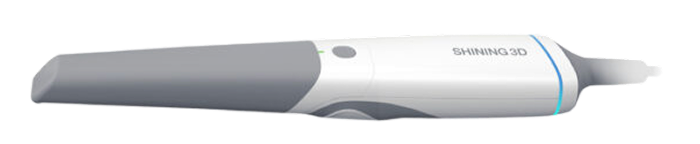
Leading Intraoral Scanners Compared
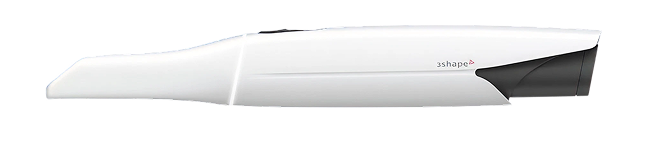
TRIOS 5 by 3Shape
TRIOS 5 is widely recognised for its fast scanning speed, AI powered scan assistance and highly accurate digital impressions. It is commonly used by practices focused on restorative, implant and orthodontic workflows.
- High volume clinics
- Implant workflows
- Advanced digital dentistry
- Lightweight wireless design
- Open STL workflow
- Fast scanning performance
- Strong lab integration
.avif)
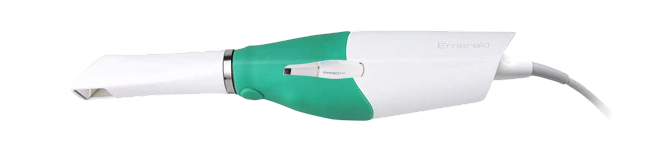
Planmeca Emerald S
Planmeca Emerald S delivers fast, accurate digital impressions with a lightweight ergonomic design. The scanner is widely used in restorative, orthodontic and implant workflows and integrates seamlessly with open digital dentistry systems.
- Restorative dentistry
- Orthodontic cases
- Implant planning
- Clinics seeking open workflow compatibility
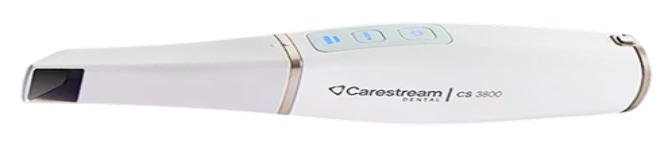
Carestream CS 3800
The Carestream CS 3800 combines ultra fast scanning performance with a compact wireless design. It is known for excellent patient comfort, precise digital impressions and reliable restorative and implant workflows.
- Full arch scanning
- Crown and bridge cases
- Implant restorations
- High volume digital practices
.avif)
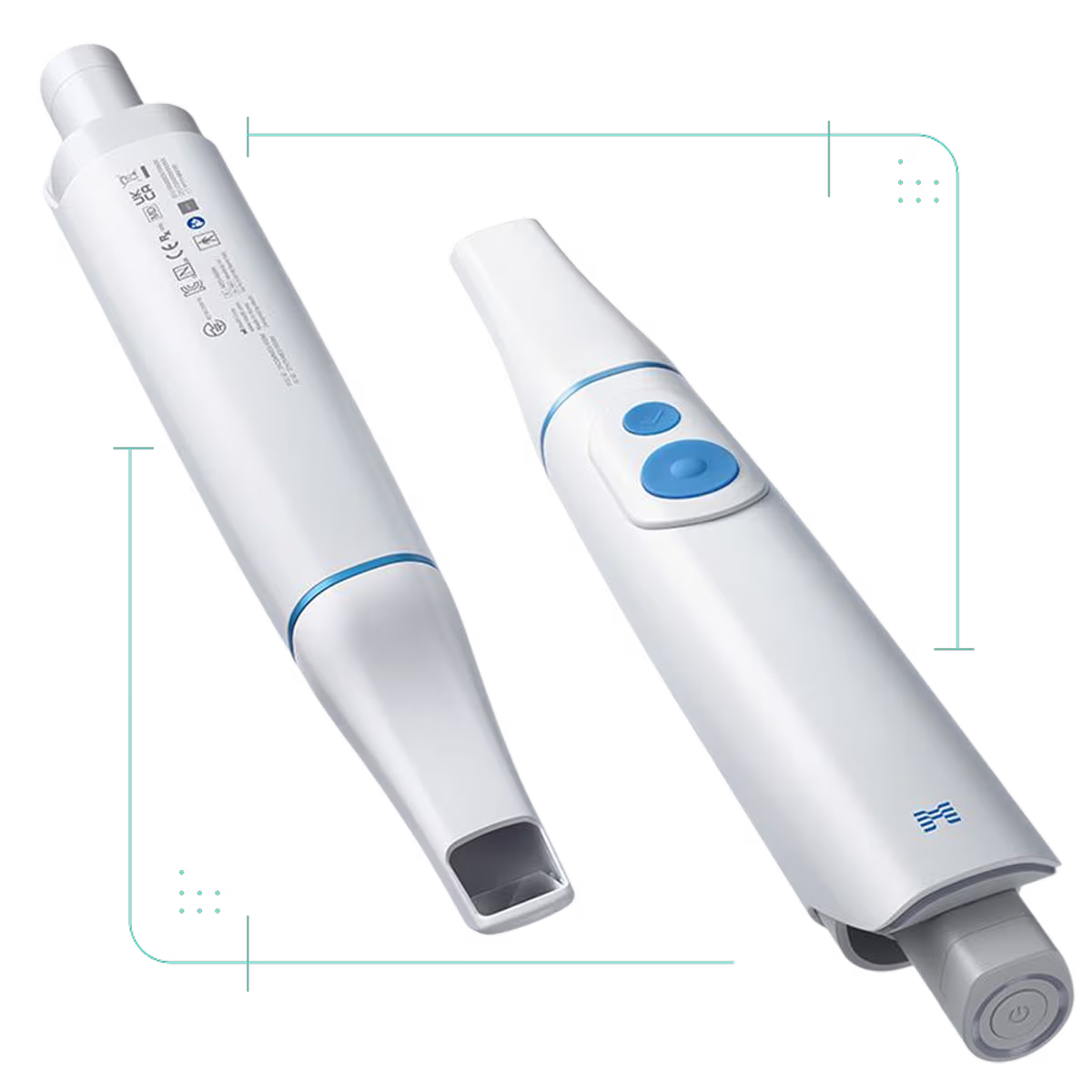
Medit i900 / i700
Medit scanners are known for affordability, open architecture and ease of use, making them ideal for practices transitioning into digital dentistry.
- Growing practices
- Cost conscious clinics
- Flexible workflows
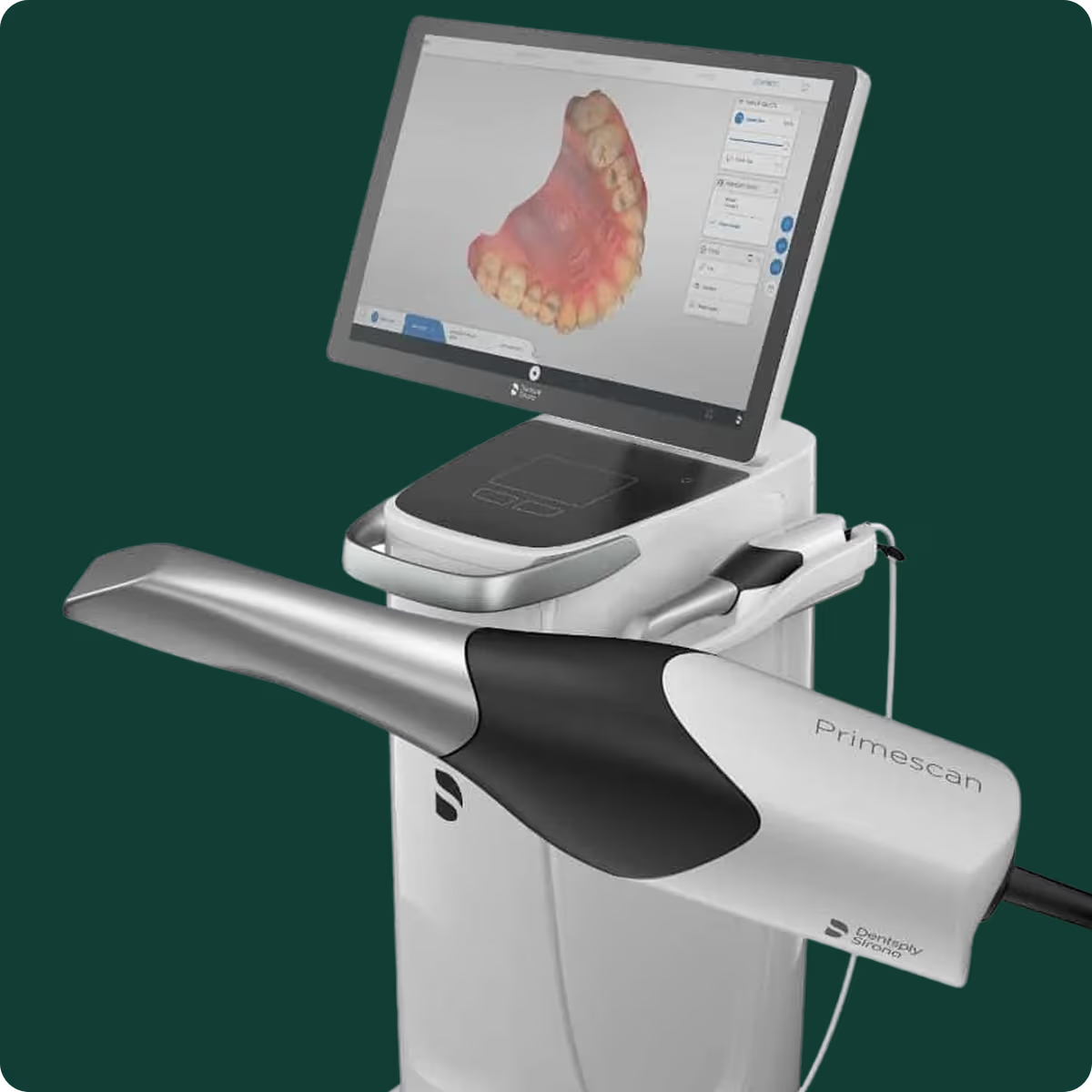
Primescan by Dentsply Sirona
Primescan delivers highly detailed scans and is often preferred for complex restorative and full arch workflows.
- Advanced restorative cases
- Full arch scanning
- Multi specialty clinics
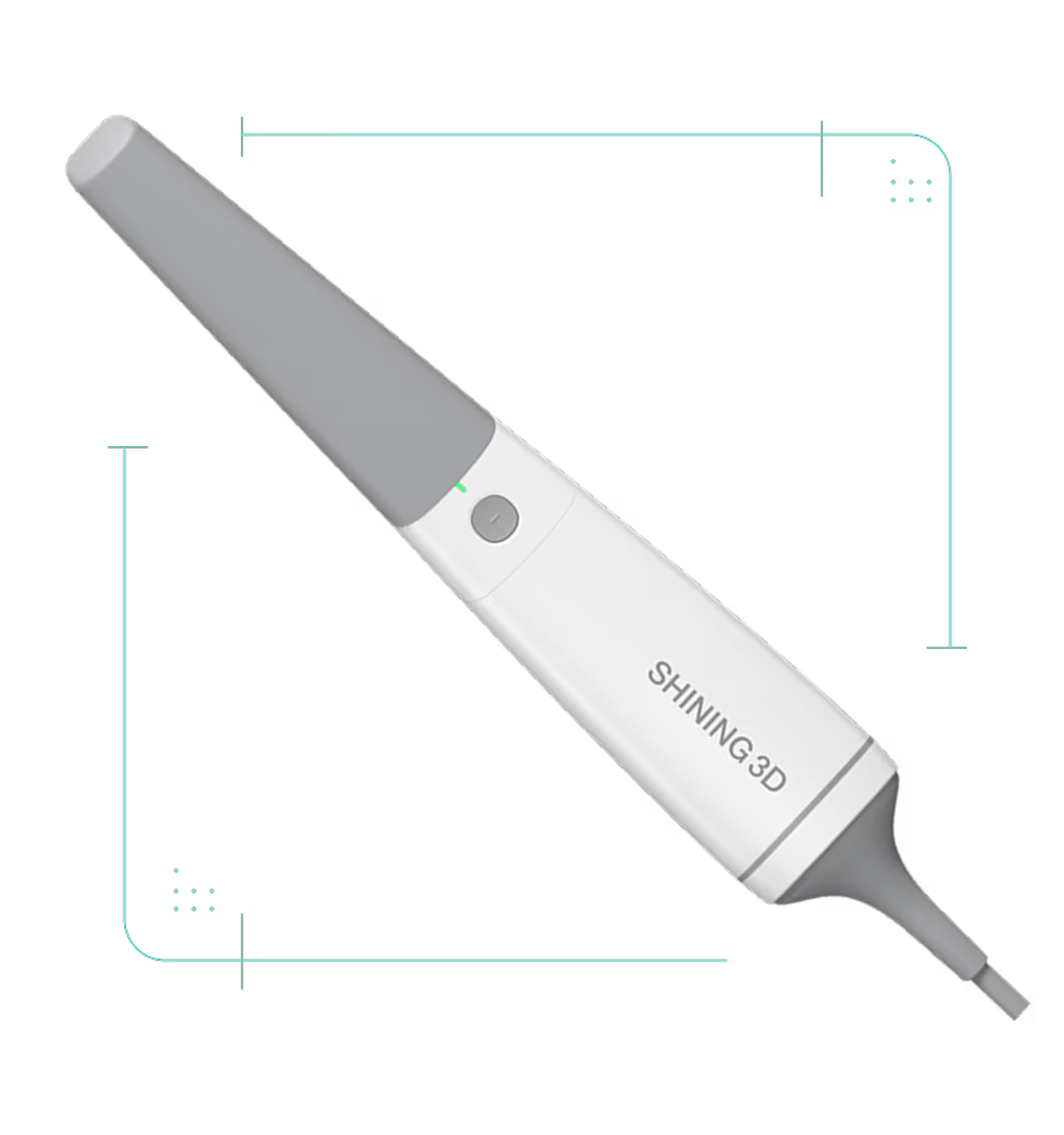
Aoralscan 3
Aoralscan offers a balance between affordability and digital workflow functionality, making it attractive for practices entering intraoral scanning technology.
How to Choose the Best Intraoral Scanner
Selecting the best intraoral scanner is not only about scan speed or image quality. The right scanner should align with your clinical workflow, treatment focus, budget and long term digital dentistry goals.
Practice Size and Daily Patient Volume
The number of scans performed daily can influence the type of scanner your practice requires. High volume clinics often benefit from scanners with faster processing speeds, lightweight ergonomics and efficient AI assisted scanning features.

Implant and Restorative Workflow Compatibility
Practices focused on implants, full mouth rehabilitation or restorative dentistry require highly accurate digital impressions and reliable scan body support. Some scanners are better optimised for implant workflows, full arch scans and restorative case planning.
Orthodontic and Invisalign Integration
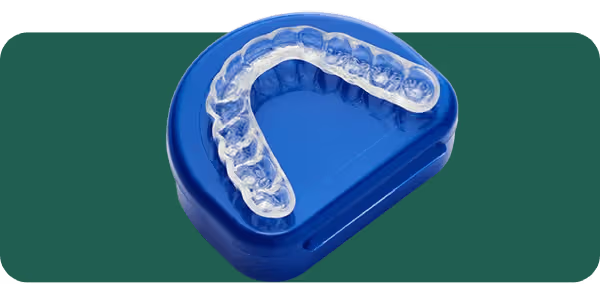
For clinics offering orthodontic treatments or Invisalign services, scanner ecosystem compatibility is an important consideration. Certain scanners provide direct integration with orthodontic treatment planning systems, patient simulations and aligner workflows.

Open vs Closed Scanner Systems
One of the biggest decisions when comparing intraoral scanners is choosing between an open or closed workflow system.Open systems typically support standard file formats such as STL, OBJ or PLY, allowing clinics to work with multiple dental labs and software platforms.Closed systems are often tied to specific software ecosystems and treatment platforms. While they may offer seamless integrations, they can limit flexibility when collaborating with external labs or third party solutions.
Scanner Accuracy and Full Arch Performance
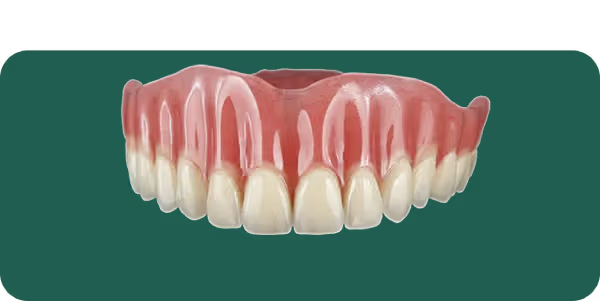
Accuracy is critical for restorative, implant and prosthetic cases. While most modern scanners provide excellent precision for single unit restorations, full arch scanning performance can vary significantly between systems.
Clinics handling complex restorative cases should prioritise scanners known for:
- High scan precision
- Full arch stability
- AI assisted stitching
- Reduced rescanning requirements
Ease of Use and Training Requirements
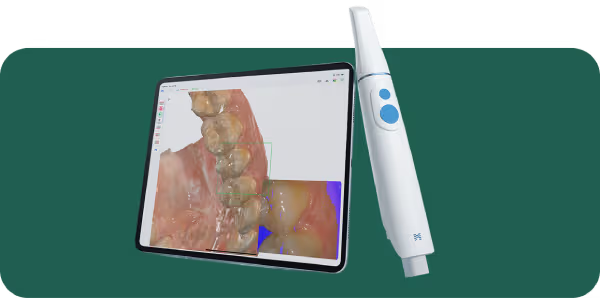
Some scanners are designed for experienced digital dentistry teams, while others focus on simplified workflows for first time users. Practices should consider:
- Learning curve
- Staff training requirements
- Software usability
- Ongoing technical support
Budget and Long Term ROI
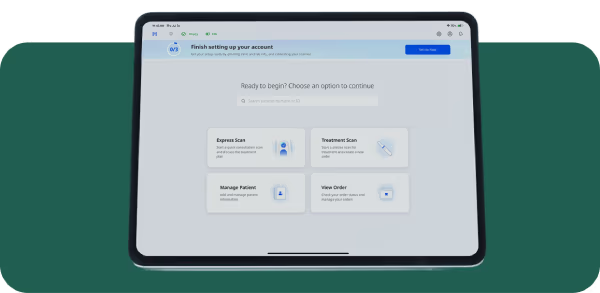
The best intraoral scanner is not always the most expensive one. Practices should evaluate:
- Initial investment
- Subscription costs
- Software licensing
- Warranty and support
- Workflow efficiency gains
- Long term scalability
Lab Compatibility and Digital Workflow Support
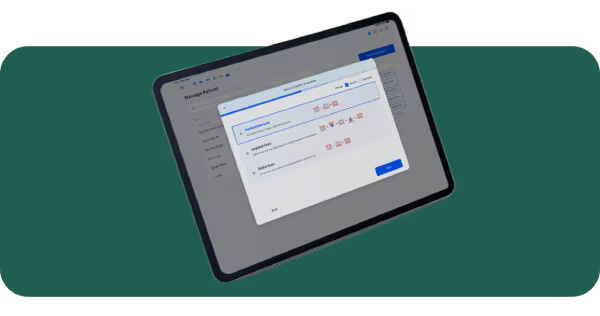
Before purchasing a scanner, practices should ensure compatibility with their preferred dental laboratory. Open communication between clinics and labs is essential for efficient digital workflows, especially for implant, restorative and cosmetic cases.
NovaDent Labs supports workflows across leading intraoral scanner systems, helping dental practices achieve seamless digital collaboration and predictable case outcomes.
Digital Workflow Support Backed by NovaDent Labs
Selecting the best intraoral scanner is not only about scan speed or image quality. The right scanner should align with your clinical workflow, treatment focus, budget and long term digital dentistry goals.
- Advanced restorative cases
- Full arch scanning
- Multi specialty clinics
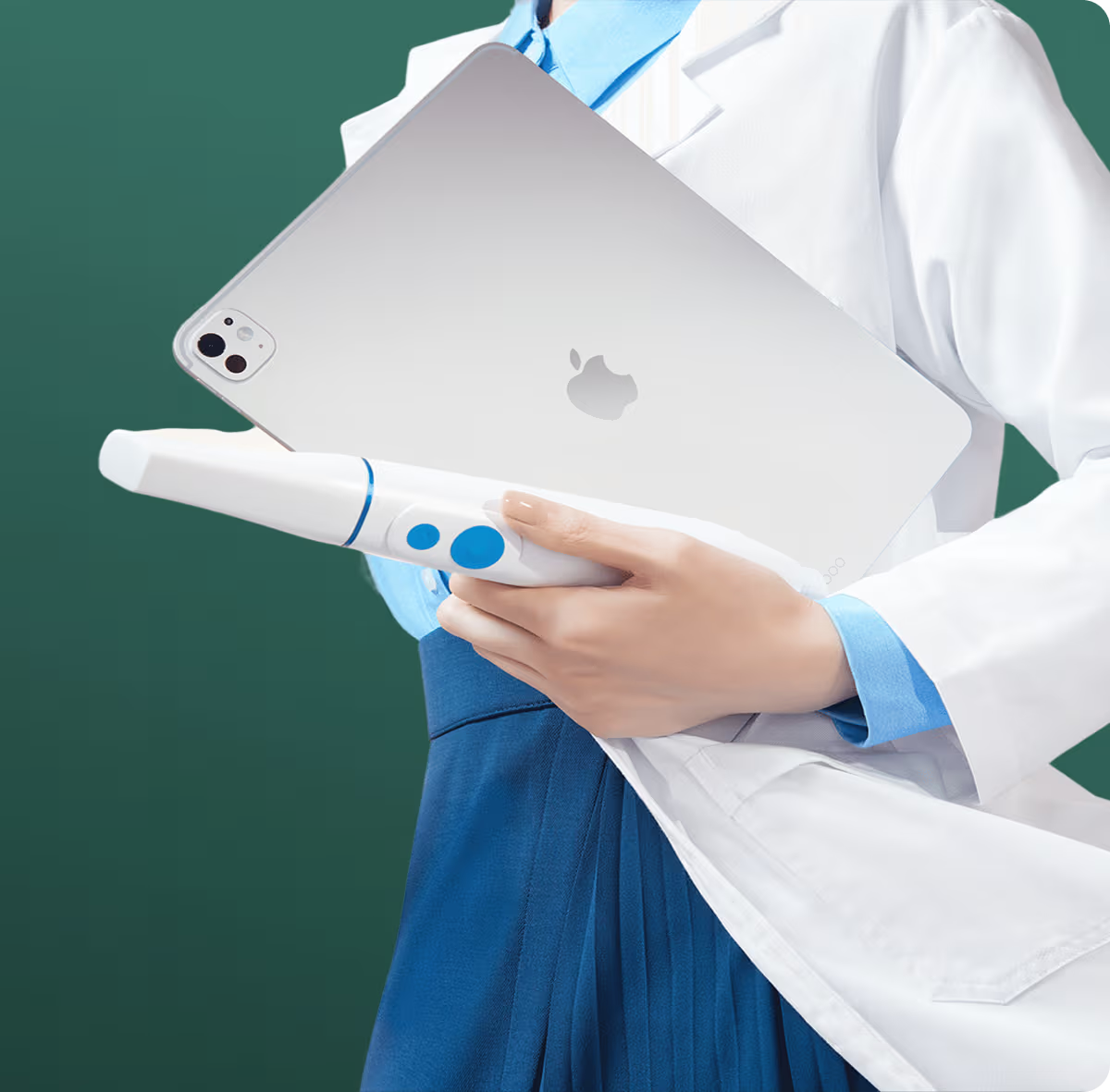

The best intraoral scanner depends on your clinical workflow, budget and treatment focus. TRIOS, Medit, iTero and Primescan are among the most widely used scanners for restorative, implant and orthodontic workflows.
Scanners with high accuracy, reliable scan body support and strong full arch performance are generally preferred for implant workflows. TRIOS and Primescan are commonly used for advanced implant and restorative cases.
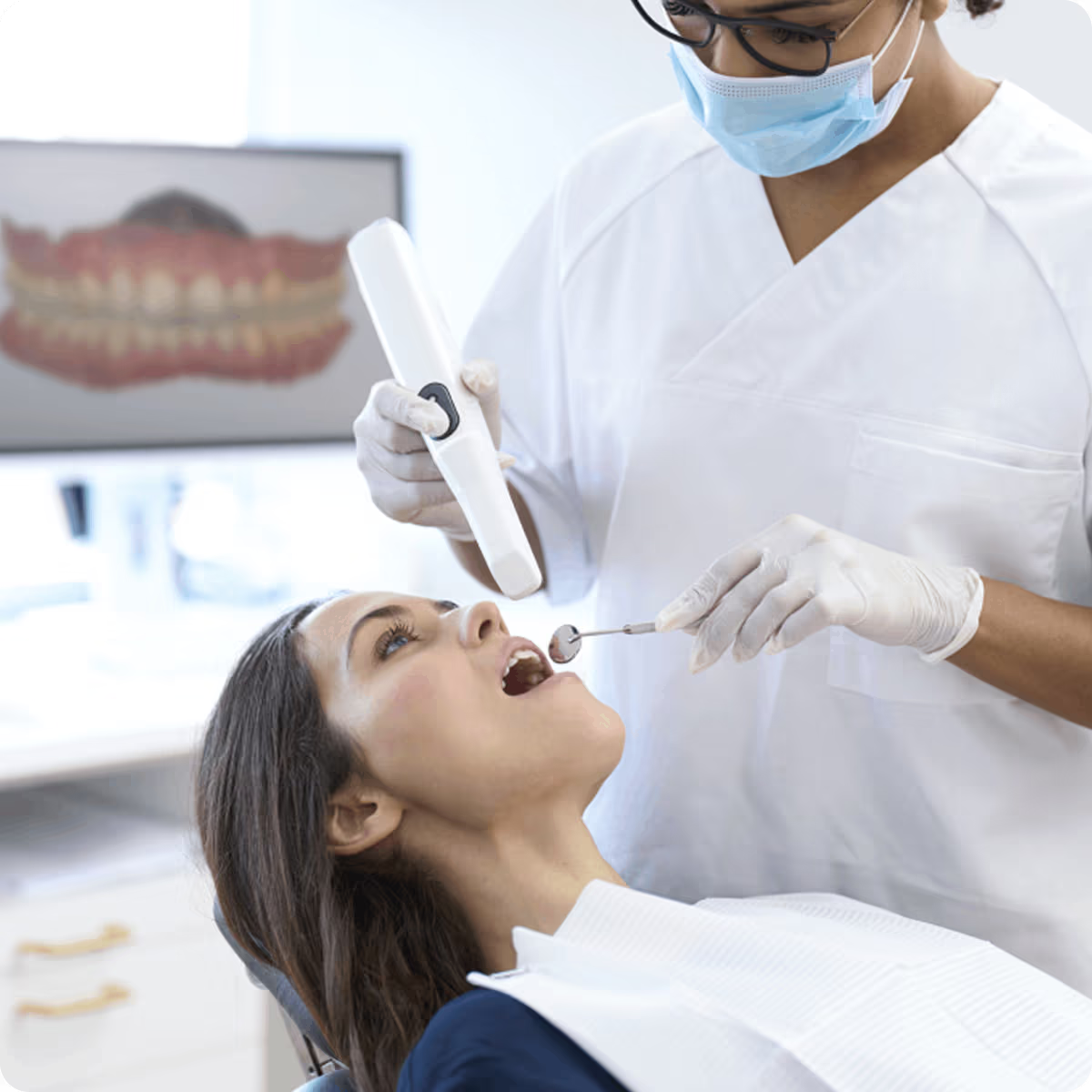
Intraoral scanners can improve workflow efficiency, patient comfort and communication with dental labs. Many practices also benefit from reduced impression remakes, faster turnaround times and improved treatment planning.
Open systems allow clinics to export standard file formats and work with multiple labs and software platforms. Closed systems are usually tied to specific ecosystems and may offer limited flexibility for external integrations.
iTero scanners are commonly used for Invisalign workflows because of their direct integration with the Align ecosystem and orthodontic treatment planning tools.
Yes. Modern dental labs like NovaDent Labs support workflows from multiple scanner brands including TRIOS, Medit, iTero, Primescan and other leading intraoral scanning systems.
Modern intraoral scanners provide highly accurate digital impressions for restorative, implant and orthodontic cases. They also improve patient comfort while reducing common issues associated with traditional impression materials.
Practices should evaluate scanner accuracy, workflow compatibility, ease of use, lab integration, software ecosystem, training requirements and long term costs before making a purchase decision.