
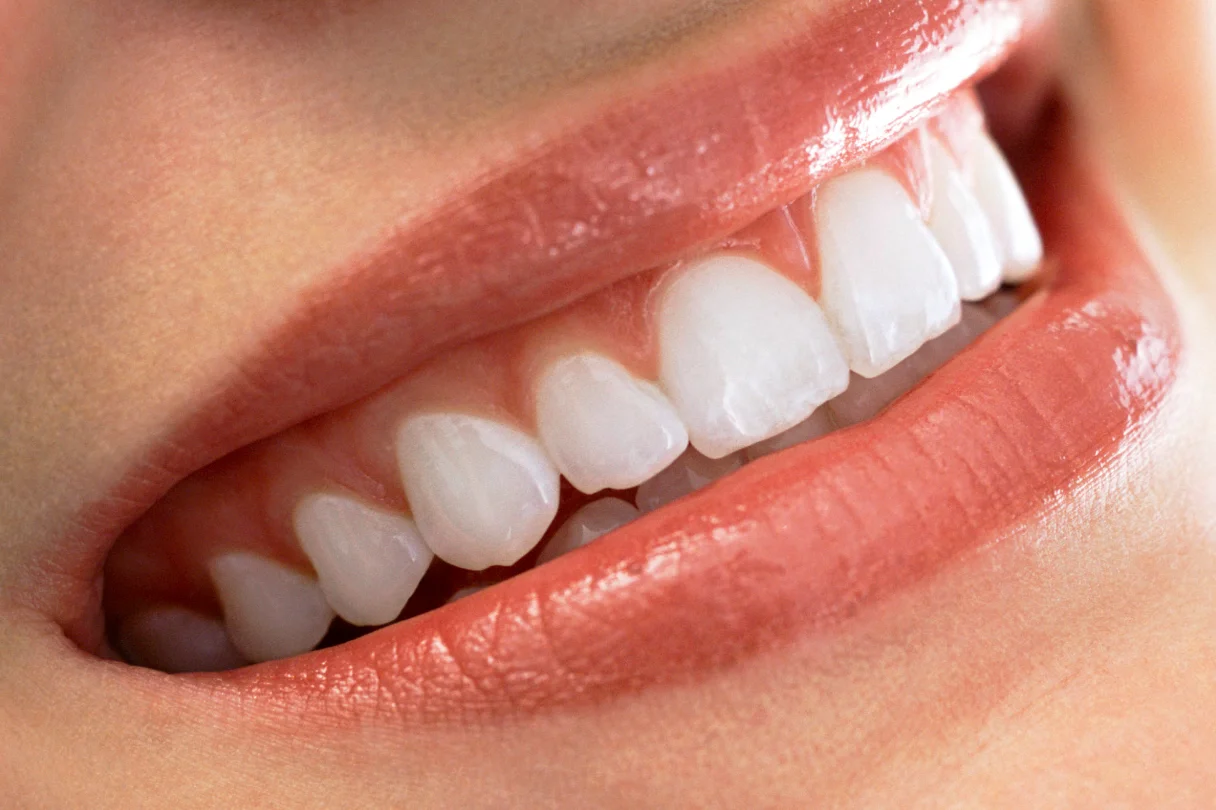
Every clinician has met the patient who walks in with a celebrity photo and says, “I want this smile.” At that moment, you’re juggling biology, occlusion, psychology, budget, and the full menu of cosmetic dentistry. The science is solid, but the expectations can be sky high.
When those expectations meet the realities of enamel thickness, parafunction, previous restorations, and time pressure, a cosmetic dentistry smile makeover can either become one of your favourite cases or a series of late night remakes. The difference often comes down to planning, material selection, and how tightly you and your lab work as one team.
TL;DR:
Cosmetic smile makeovers work best when you combine clear records, realistic treatment sequencing, conservative preparation, and close lab collaboration. This guide walks through the main cosmetic dentistry treatments, planning steps, and lab workflows that keep aesthetics, function, and chair time under control.
What is a cosmetic dentistry smile makeover?
A cosmetic smile makeover is more than “veneers on the front six.” It is a planned sequence of restorative and sometimes orthodontic steps aimed at improving the visible smile while keeping periodontal health, occlusion, and long term maintainability in view.
For most Australian practices, this can range from whitening plus minor bonding through to full arch ceramic rehabilitation. On any given week you might manage:
- Single central matching with a ceramic crown or veneer
- Four or six unit veneer cases for colour and shape
- Combination veneer crown cases in worn dentitions
- Implant supported anterior units replacing missing teeth
The common thread is that aesthetics, phonetics, and function all sit on the same treatment plan. When your lab understands which of those three is non-negotiable for a given patient, the chance of first‑time fit and patient satisfaction rises sharply.
If your practice is building out a cosmetic service line, a resource hub such as the ADA’s patient factsheets can also support consistent patient education at consults.
Core cosmetic dentistry treatments in smile makeovers
Most cosmetic smile cases draw from a familiar group of cosmetic dentistry treatments. The art lies in combining them in the right order for that patient, with the right materials and prep designs.
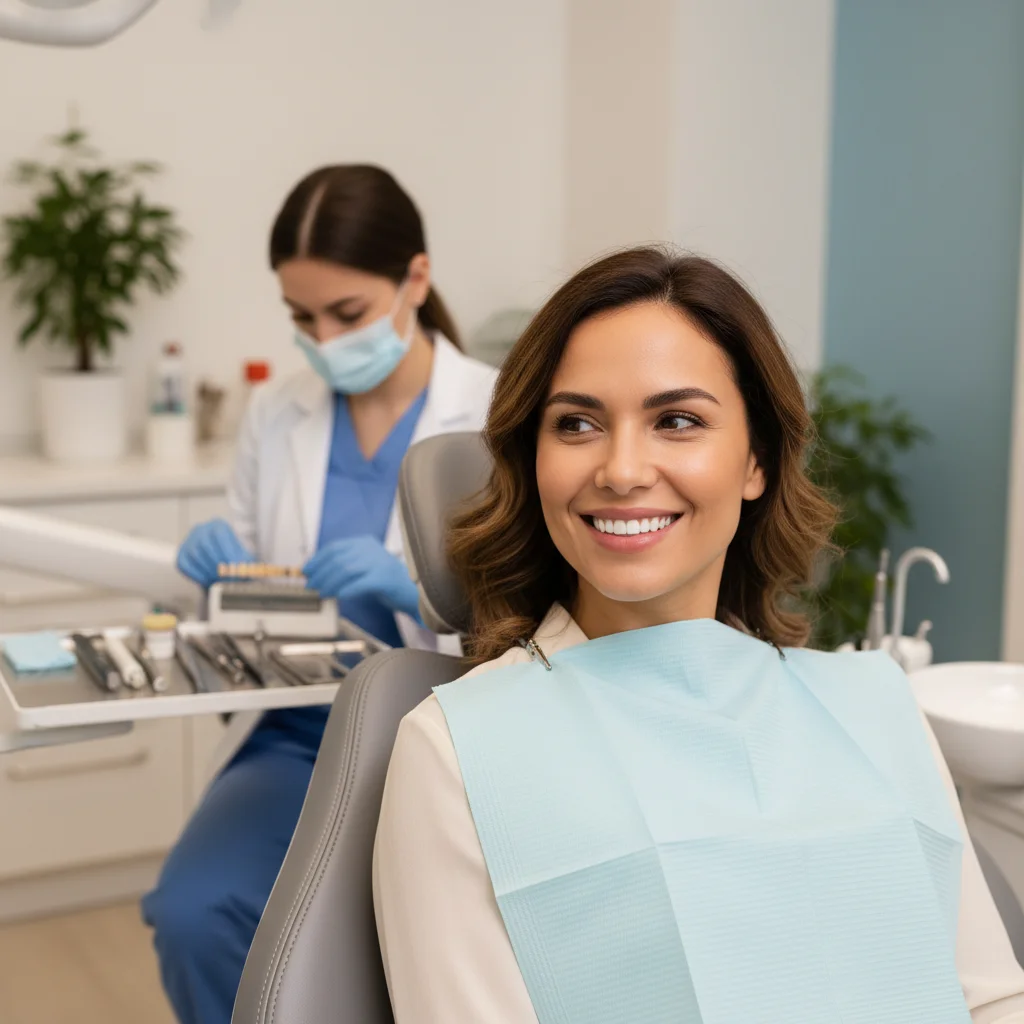
| Treatment | Main indications | Typical lab considerations |
|---|---|---|
| Porcelain veneers | Colour change, shape, minor alignment, diastema closure | Enamel support, minimal prep, stump shade, smile line, parafunction |
| All ceramic crowns | Heavily restored teeth, significant wear, dark substrates | Material selection (e.max / zirconia), ferrule, occlusal scheme |
| Direct composite bonding | Small chips, edges, black triangles, test drive of aesthetics | Shade mapping, surface texture to harmonise with ceramics |
| Whitening | Global colour improvement before restorative work | Timing before shade selection; effects on existing ceramics |
| Implant restorations | Missing anterior teeth, single or multiple units | Emergence profile, soft tissue support, customised abutments |
Porcelain veneers and ceramic crowns
Long term data for porcelain laminate veneers is encouraging, with systematic reviews reporting 5 to 10 year survival rates often above 90% when case selection and bonding protocols are respected. Conserving enamel, managing parafunction, and choosing the right ceramic (feldspathic vs pressed vs CAD/CAM) remain central decisions.
For full coverage, lithium disilicate and high translucency zirconia crowns let you blend strength with aesthetics. A lab that works daily with both materials can advise where to use each across a case for example, disilicate in the visible smile zone and stronger zirconia in functional zones while keeping shade harmony. If you are standardising indirect work, a consistent protocol with your crown and bridge laboratory partner matters more than any individual product name.
Whitening as the first rung on the ladder
Whitening remains the least invasive part of a cosmetic plan, yet it sets the baseline for every shade decision that follows. The ADA notes that peroxide based in office and tray systems can be safe and effective when used within recommended concentration ranges, with transient sensitivity the most common side effect.
From a lab perspective, the key is simple: finish whitening and stabilise shade before impressions or scans. Document the final shade (and any gradient) clearly on your lab sheet so the ceramic work is built to the post whitening reality, not the pre-treatment photos.
Implants and mixed material cases
A cosmetic makeover that includes anterior implants raises the stakes on emergence profiles, tissue support, and shade mapping between implant crowns and adjacent veneers or natural teeth. A lab that routinely fabricates implant restorations and understands your preferred systems (connection type, platform, torque limits) can preempt many headaches here with customised abutments and provisional stages.
How should you plan a cosmetic smile makeover?
The most consistent cosmetic outcomes tend to follow a repeatable planning framework rather than a once off “inspired” design. Three phases help keep cases predictable: records, design, and review.
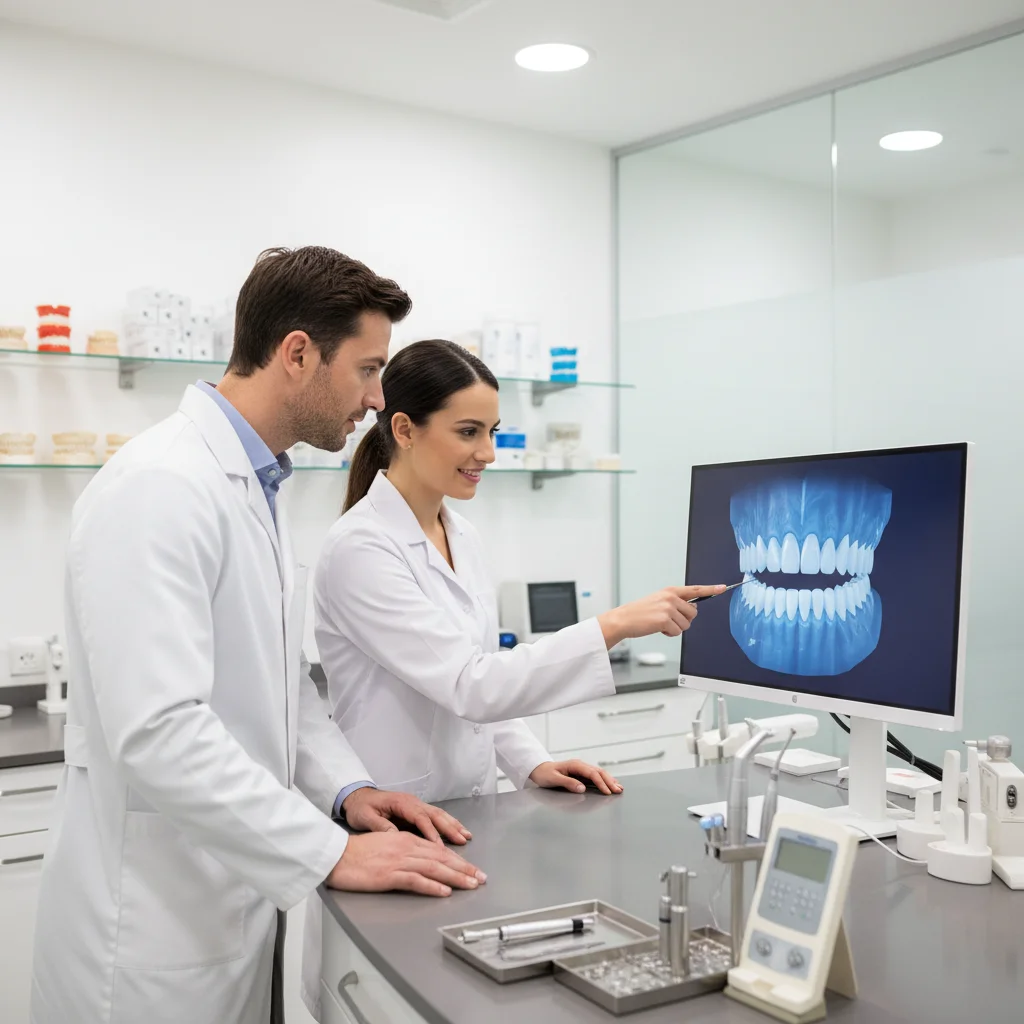
1. Records: the non‑negotiable starting point
At minimum, a lab friendly cosmetic case benefits from:
- High resolution extra and intra oral photos (smile, retracted, occlusal views)
- Full arch upper and lower impressions or scans, with detailed bite registration
- Shade information including stump shades and any characterisation
- Notes on phonetic issues, lip line, and patient personality/style preferences
Digital impressions from major intraoral scanners feed directly into CAD/CAM workflows in a modern digital dental lab, cutting postage delays and remakes from distorted impressions.
2. Design: smile, occlusion, then material
Once records are complete, the design conversation moves through aesthetics and function before material branding:
- Define incisal edge position and tooth display at rest and smile.
- Confirm occlusal goals: anterior guidance, group function, or existing scheme preserved.
- Choose the mix of cosmetic dentistry treatments (whitening, ortho, veneers, crowns, implants).
- Discuss material options with your lab including thickness limits and minimal prep options.
A diagnostic wax up or digital smile design is often the bridge between your vision and the patient’s expectations. Many NovaDent clinicians request both a physical wax up and printed photos of the proposed smile to simplify chairside conversations.
3. Review: test drive before committing
Provisional restorations or mock ups let patients “try on” a new smile in their real life before irreversible preparation or bonding. This stage:
- Surfaces phonetic issues early (“s” sounds, lip support, vertical dimension)
- Reveals any disagreement about tooth length or shape
- Gives the lab feedback for fine tuning texture and incisal translucency
Clear feedback photos of provisionals, especially in full smile and profile, help your lab refine the final ceramics with far greater confidence.
The dental lab’s role in predictable cosmetic outcomes
A cosmetic case lives or dies on communication. Many of the remakes we see across the industry stem not from poor clinical work, but from missing or ambiguous information at the lab bench.
Prescription clarity beats guesswork
For each cosmetic dentistry smile makeover, your lab prescription can spell out:
- Primary goal in order: colour, shape, or function
- Planned changes in length, midline, or buccal corridor
- Patient traits (e.g., perfectionist vs laid‑back, “natural” vs “Hollywood” preferences)
- Non negotiables (do not change canine guidance; respect existing vertical dimension; etc.)
Including these notes once often saves multiple email threads later. At NovaDent, photos and written goals are treated as part of the prescription, not “nice extras.”
Material and prep guidance
A lab that pairs clinical experience with CAD/CAM design can flag when a requested material or thickness risks fracture, poor masking, or over bulking. For example:
- Suggesting a different ceramic for very dark stumps on upper centrals
- Recommending additional clearance in localised high load areas
- Highlighting cases that would benefit from nightguards once complete
This sort of feedback loop turns your lab into a quiet second set of eyes on complex cases, especially full veneers combined with posterior rehabilitation.
Provisional and mock up support
For many smile makeovers, the lab can provide:
- Silicone or printed matrices for chairside mock ups over unprepared teeth
- Longer term provisionals that let the patient test new aesthetics and vertical dimension
- Detailed notes on how provisionals informed final design decisions
When your mock ups and final ceramics are produced by the same team, subtle details such as line angles and texture translate more accurately to the finished case.
Digital workflows that support aesthetic cases
Digital dentistry is at its best in cosmetic cases where small changes in position or contour have a big visual impact. A digital first cosmetic dentistry workflow typically includes:
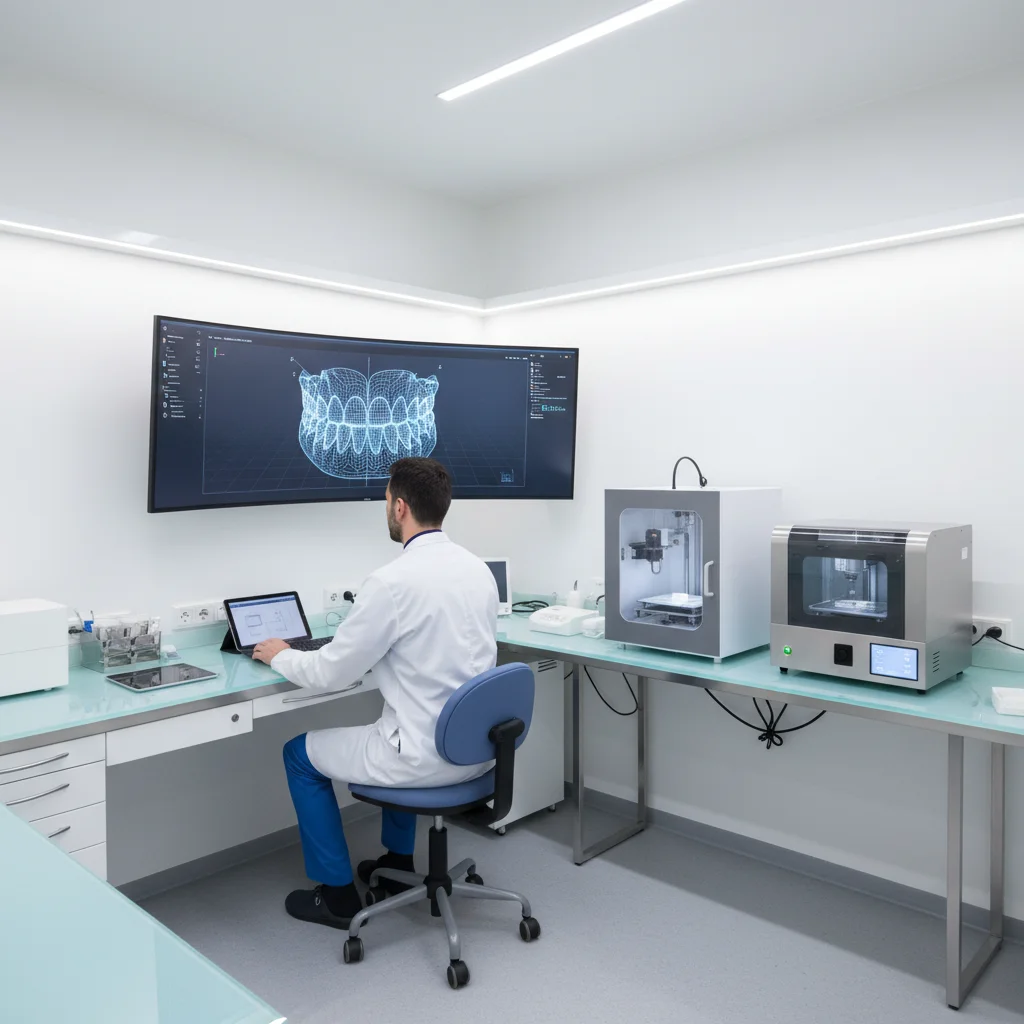
- Intraoral scans instead of analogue impressions, reducing distortion and shipping time
- Digital smile design on calibrated photos and scans
- CAD design of veneers, crowns, and implant restorations with AI assisted tooth libraries
- 3D printed models and provisionals for test drives
For practices already scanning, partnering with a lab that accepts all major scanner file formats and has in house milling and printing streamlines this entire chain. Our CAD/CAM workflows are set up to receive STL files directly from common intraoral scanner platforms and return restorations in predictable 5 to 9 business days.
Longevity, maintenance, and patient communication
Long term veneer and ceramic crown survival is strongly linked to case selection, bonding, parafunction management, and hygiene. Setting expectations around these factors before treatment keeps many cosmetic cases in the “success” column a decade later.
Common talking points that align with lab realities include:
- Porcelain is glass ceramic, not steel; chipping risk rises with bruxism and hard object biting.
- Nightguards are strongly recommended for known grinders, even with high strength ceramics.
- Whitening will not change the colour of porcelain; any future shade change requires new ceramics.
- Regular recalls let you spot margin issues or bonding problems while they are small.
A brief written maintenance plan, ideally with photos of the final case, gives patients a reference they can refer back to between visits and reinforces the shared responsibility for the new smile.
How NovaDent Labs supports your cosmetic smile makeover cases
As a digital focused dental lab based in Sydney, NovaDent works with general dentists and specialists across Australia on everything from single unit cosmetic cases to full arch rehabilitations. Our technicians combine clinical insight with lab experience to support:
- Case planning for cosmetic dentistry treatments, including material and prep suggestions
- Digital wax ups, smile design, and printed mock ups for patient approval
- CAD/CAM veneers, crowns, and implant restorations calibrated to your scanners and systems
- Consistent 5 to 9 business day turnaround for most aesthetic cases
If your practice is expanding its cosmetic offering and you want a lab partner that treats each aesthetic case as a joint project rather than a ticket number, we would be glad to talk. You can request our price list or contact the team for a case discussion via our contact page.
This article is for dental professionals. It provides general information about cosmetic smile makeovers and does not replace your own clinical judgment or formal training. Treatment decisions should always be based on a full examination and individual patient factors.
Related Posts
You may also be interested in

How to Find a Premium Dental Lab

Dental Implant Care: The Tooth May Be Artificial, But the Care Is Real
TMJ Splint vs Night Guard: What’s the Difference?
NovaDent Has Arrived.
Previously VTS Dental Labs.
Same team
Same standards
New identity
Visit our new website