
.webp)
When you look at your lab bills each month, do you ever wonder whether dental lab outsourcing is actually helping your practice or quietly eroding your margins and chair time? Some dentists feel stuck: in house technicians are hard to recruit and set up, but sending work away can feel like losing control over quality, timelines, and patient experience. Add overseas options into the mix and the decision gets even messier.
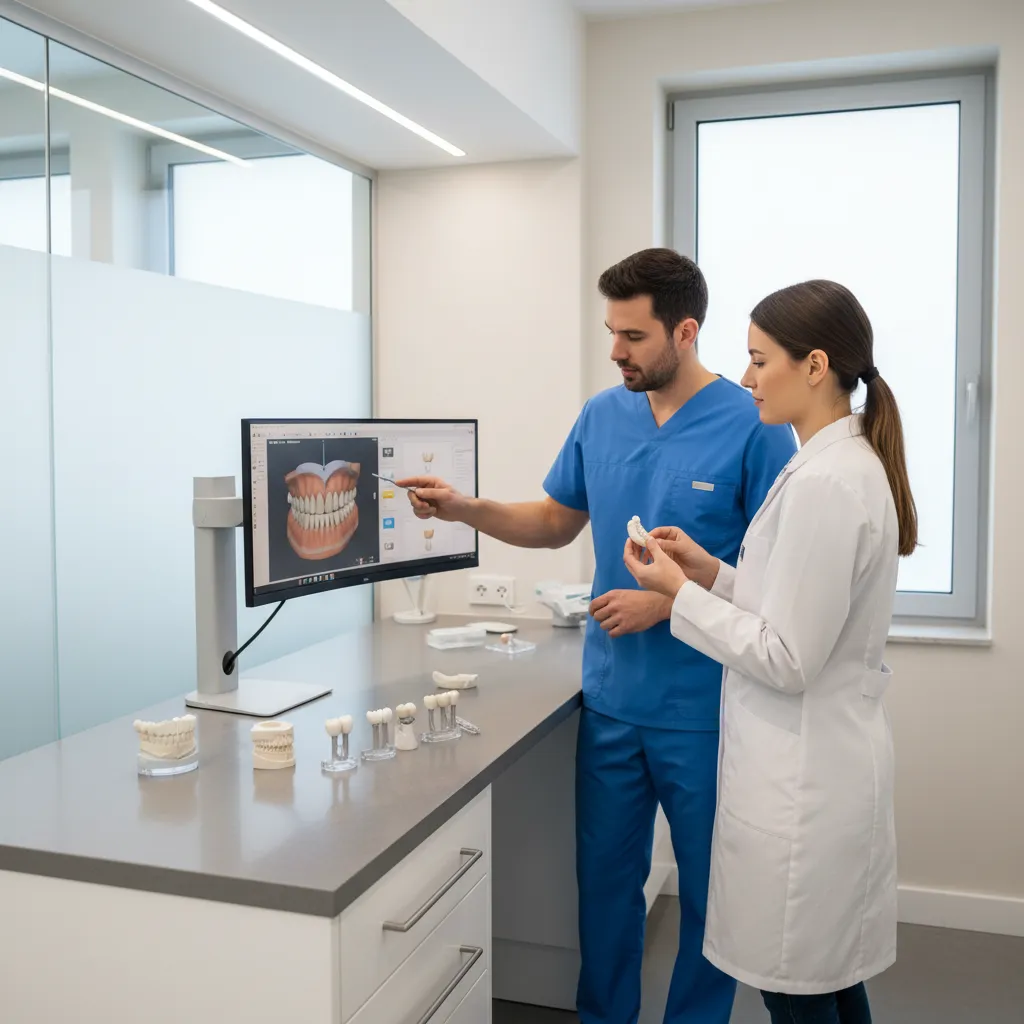
This guide is written for Australian dentists who want predictable, high quality work without constant remakes, late cases, and awkward conversations at the chair. We will walk through the main outsourcing models, where they shine, where they hurt, and a simple framework you can use to decide what’s best for your own clinic, whether you are placing a few single crowns a week or running an implant heavy, multi chair practice.
TL;DR
- Lab work is not a commodity; the “cheapest/unit” option often costs more once remakes, chairside adjustments, and stress are factored in.
- Overseas labs can work for low risk, low aesthetic cases, but regulatory, communication, and remake challenges are very real.
- A local digital lab with consistent workflows usually suits growth-minded practices that want predictable fit and turnaround.
- Use the checklist at the end of this article to audit your current lab relationship in under 15 minutes.
NovaDent Labs fabricates fixed prosthetics for dental practices across Australia.
View our Fixed Prosthetics Services →
Submit a Case →
What is dental lab outsourcing?
At its simplest, outsourcing means you are not manufacturing restorations or appliances inside your own clinic. You send cases to a lab sometimes around the corner in Sydney, or dental labs in Brisbane, Melbourne and Adelaide, sometimes interstate, and sometimes overseas and they send back finished work.
In house vs external labs
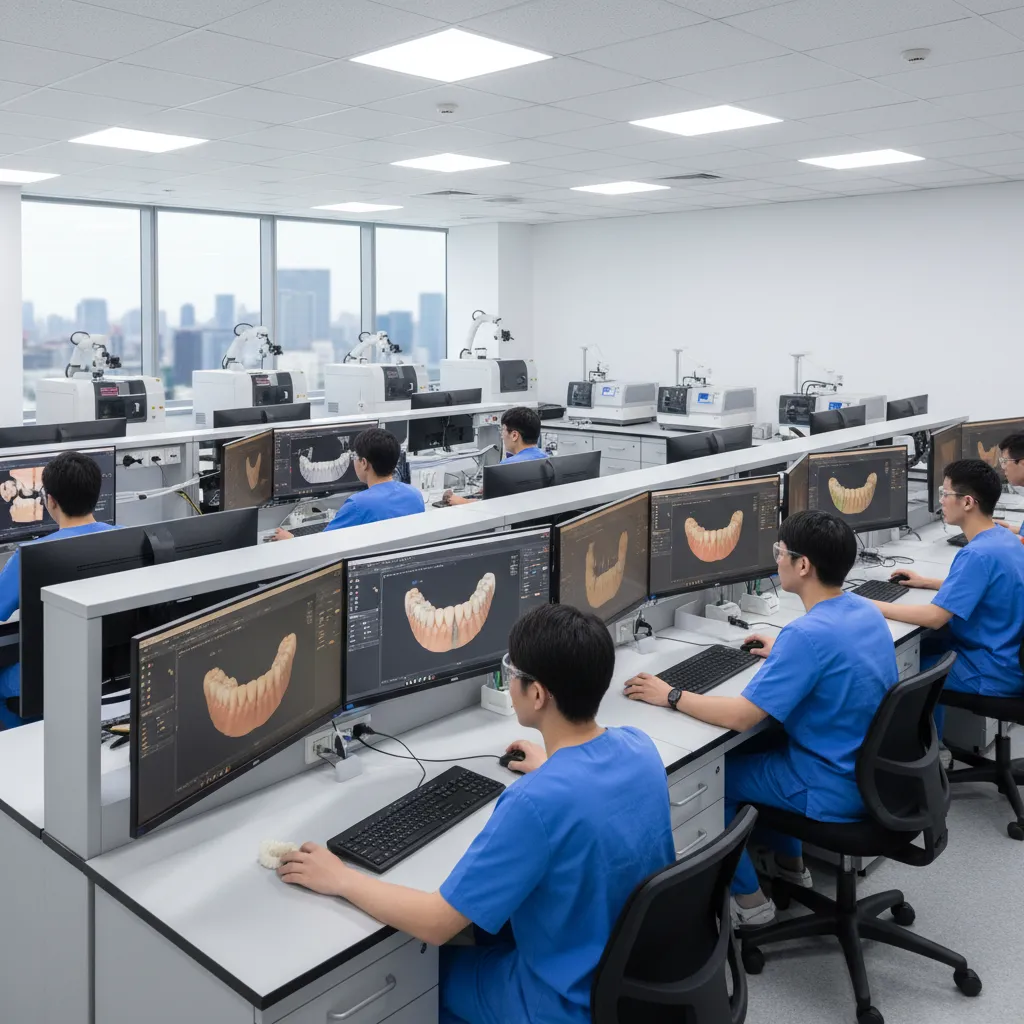
A fully in house setup, with a dedicated technician, milling machines, and quality systems, gives you control but demands ongoing investment, management, and space. For many suburban practices, this just is not realistic, especially when you are already juggling staff, associates, and chair utilisation.
External labs let you tap into experienced technicians, digital workflows, and equipment that would be difficult to justify on your own. A well run lab partner becomes part of your clinical ecosystem, much like a trusted specialist you refer to regularly for complex cases and fixed prosthetics for crowns and bridges.
Domestic vs overseas outsourcing
Within external labs, you then face a second question: do you stay within Australia, or send work offshore for lower unit prices? Overseas partners may look attractive on paper, but longer shipping times, language barriers, and questions around materials and regulation can shift the true cost back in the wrong direction.
Many Australian dentists end up using a blend: local labs for higher value and aesthetic work, and cheaper options for simpler, lower risk cases like some full dentures or night guards.
Why practices consider outsourcing dental lab work
Most dentists do not wake up one morning and decide to change labs for fun. Something pushes the issue: rising overheads, staff turnover, or a spate of remakes that eats an entire week of chair time.
Cost pressure and margins
Lab bills sit quietly in the background until growth stalls or interest rates rise. Then every invoice line gets scrutiny. Overseas providers can look like an easy win, promising similar restorations at a much lower unit price. The question is what happens to your total cost per successful case after factoring in shipping, remakes, extra appointments, and the occasional emergency fit adjustment right before school pick up especially when financial modelling shows that, once rent, wages and equipment are allocated, the true chair cost per hour can easily reach £75 or more (around AU$140) before you see any profit.
Global dental laboratory market analyses suggest the sector is growing at roughly 5–7% annually through 2030, driven by demand for customised prosthetics, ageing populations, and wider use of digital, outsourced lab workflows. That makes it even more important to choose an outsourcing model that supports your standards instead of simply chasing the lowest fee.
Staffing, space, and technology
Building your own on site lab requires space, equipment, and technicians who are increasingly hard to hire. Digital dentistry changes the equation again. If you have or are considering an intraoral scanner, you can streamline impressions and work seamlessly with a digital dental lab partner that accepts your files directly, often reducing turnaround times and adjustments.
For many clinics, the sweet spot is partnering with a lab that invests in CAD/CAM, AI assisted design, and scanner compatibility, so you can benefit from those tools without carrying all the cost and risk yourself.
Risks and trade offs of dental lab outsourcing services
Outsourcing is neither good nor bad on its own. The risk sits in how and where you outsource, and how well your lab’s systems align with your clinical standards.
Quality, remakes, and chairside adjustments
Poor fit is where “cheap” lab work becomes expensive. Each remake means new appointments, extra impressions or scans, more local anaesthetic, and an unhappy patient who now doubts your recommendations.
Research based crown remake study data and large multi centre audits report laboratory remake rates for fixed prosthodontic work in the 4–7% range in everyday practice. Even if your own numbers are lower, that still translates to dozens of avoidable appointments each year in a busy clinic.
A lab with ISO 13485 aligned processes and consistent removable prosthetics and implant protocols is far easier to work with than a cheaper provider that leaves you guessing why margins or occlusion are off again.
Turnaround times and shipping
Long or unpredictable turnaround times can jam your books. With overseas labs, you need to factor in freight, customs delays, and time zones. A “10 day” case can quickly stretch beyond two weeks, particularly around public holidays and peak shipping periods.
Regulation, materials, and data
Australian labs operate under local TGA dental device guidance and are used to working within privacy expectations outlined in the ADA overseas disclosure guidance on handling patient information. Once work leaves the country, verifying material quality, traceability, and data security becomes much harder. If a patient asks, “Where was this made, and what is in it?” you want clear answers, not guesswork.
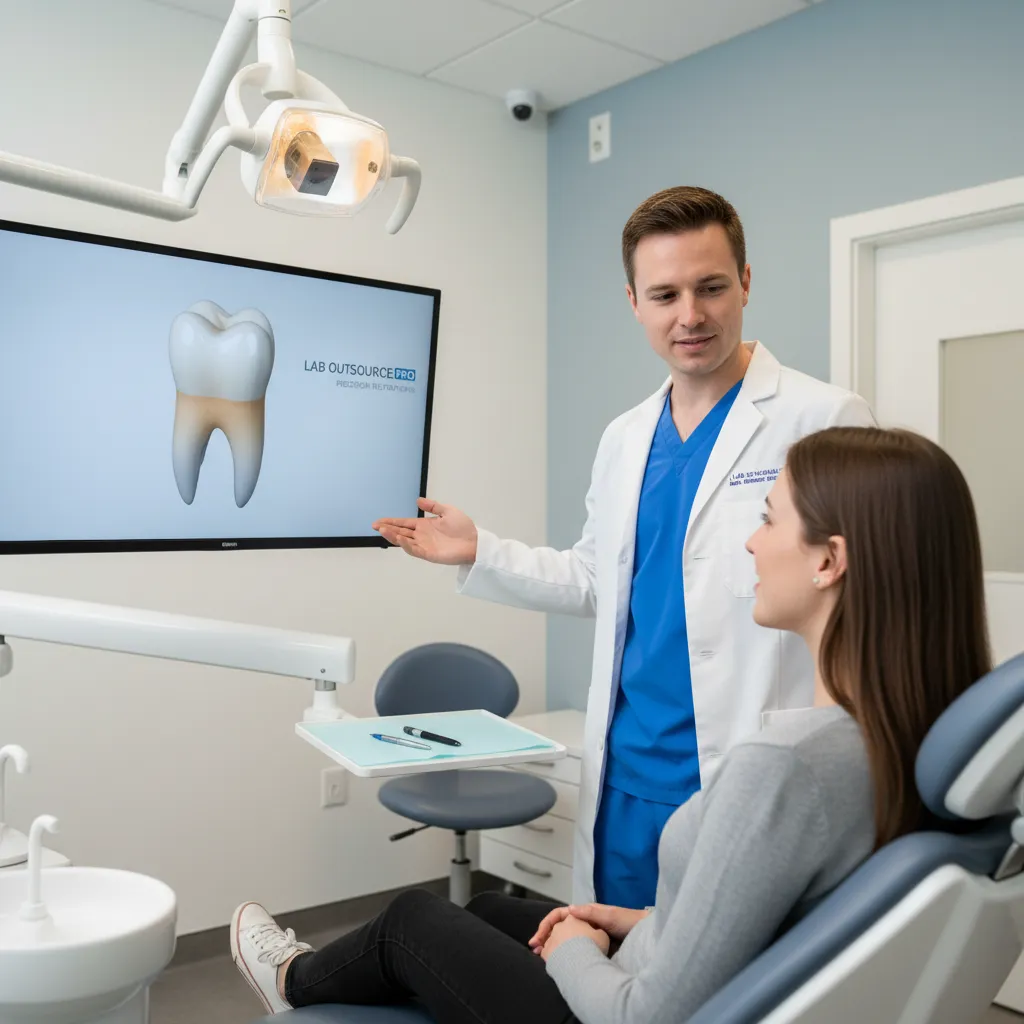
Reliable lab work reduces remakes and supports confident conversations with patients at the chair.
“A predictable lab relationship should reduce your stress and chair time, not add to it.”
Local vs overseas labs: how to decide
The real question is not “Is overseas bad?” but “For which cases, with which lab, under which safeguards?” That is a nuanced decision that depends on your mix of services, your appetite for risk, and your patient base.
When offshoring may make sense
- Low‑aesthetic, low risk cases where a minor adjustment will not damage trust.
- Practices with highly priced sensitive patient bases and clear consent processes.
- Clinics that already have strong internal QC systems and are willing to manage remakes.
When a local digital lab wins hands down
- Implant cases, complex prosthodontics, and multi unit fixed work.
- Anterior aesthetic cases where shade, translucency, and soft tissue support matter.
- Clinics that rely on tight schedules and minimal extra appointments.
- Practices building a strong reputation in their community and online reviews.
Many NovaDent clients, for example, send the majority of their implant restorations and complex cases to our Sydney lab, while keeping a small portion of simpler work with other providers. The key is being deliberate instead of letting “cheapest unit price” quietly make the decision for you.
Key questions to ask an outsourcing dental lab
Before you send your first scan or impression, a short, structured conversation with a prospective lab can save you months of frustration.
Clinical support and communication
- Can I speak directly with a technician or clinician about complex cases?
- How do you prefer to receive photos, bite records, and special instructions?
- What is your process if a case does not fit at first try?
A lab that offers genuine case planning support, including shade guidance and material recommendations, often pays for itself in fewer adjustments and happier patients. At NovaDent, many dentists send photos and notes via secure channels and receive practical feedback before we even start design.
Materials, systems, and digital workflow
- Which materials do you use for common indications (e.g. posterior crowns, full arch work)?
- Which intraoral scanner file formats do you accept, and how do you handle model less workflows?
- Are your processes aligned with ISO 13485 and Australian medical device regulations?
Pricing, remakes, and guarantees
- What is included in the price list, and what counts as an add on?
- How do you handle remakes, who pays shipping, and what are the timeframes?
- Do you provide written warranties for your prosthetic and appliance work?
Having clear answers in writing reduces surprises and lets you confidently discuss fees and timelines with patients.
Matching the lab model to your practice type
Not every practice needs the same outsourcing setup. The right model for a CBD cosmetic clinic is not the same as for a regional mixed general practice. Here is a simple framework you can adapt.
| Practice profile | Typical needs | Lab model that often works best |
|---|---|---|
| Single chair / small suburban clinic | General restorative, some dentures, limited implants | One primary local digital lab for most work; optionally a backup lab for very price sensitive cases. |
| Multi chair family practice | High volume of crowns, bridges, splints, occasional complex cases | Strong relationship with a local lab that understands your preferences and integrates with your scanner workflow. |
| Implant heavy / prosthodontic practice | Complex full arch, multi unit, high aesthetic demand | Specialist lab with deep implant system knowledge, CAD/CAM, and close clinician technician collaboration. |
| Regional practice | Mixed cases, longer shipping routes | Australian lab with reliable courier networks and clear turnaround expectations. |
How NovaDent Labs supports outsourced work for Australian practices
NovaDent Labs was built with one aim: to give dentists a digital focused, Australian based lab partner that behaves less like a “vendor” and more like an extension of the clinical team. From our Sydney lab in Yagoona, we support general dentists and specialists across the country with crowns, bridges, dentures, implant restorations, orthodontic and sleep appliances, and our proprietary SOMA appliance.
Digital first, patient centred
Our workflows are designed around CAD/CAM, AI assisted design, and compatibility with the major intraoral scanners used in Australian practices. That means fewer errors from analogue steps and more predictable fit. For clinics moving into digital impressions, our intraoral scanner connection guide helps teams get up to speed fast.
Turnaround, remakes, and communication
Typical turnaround times range from 5–9 business days, with clear expectations set up front. When something does not go as planned, we do not hide, we pick up the phone, troubleshoot together, and agree on the fastest path to a solution, whether that is an adjustment, remake, or design tweak.
For example, one multi chair Sydney family practice that moved most of its crown and bridge work to NovaDent saw its remake rate drop from around 6% to under 3% over six months, freeing several hours of chair time each month and making the appointment book feel far less chaotic.
When we are a good fit (and when we are not)
We work best with dentists who see their lab as a strategic partner: clinics that value consistent fit, aesthetics, and clear communication over race to the bottom unit pricing. If you want quick, transactional work with minimal dialogue, we might not be your ideal lab. But if you would like a partner who understands both the clinical and lab sides of a case, we are happy to talk.
If you would like to see how this plays out in real clinics, our case studies and testimonials highlight practices that have reduced remakes, shortened turnaround times, and stabilised their lab workflows.
To see how our pricing compares and where we can help you reduce remakes and chair time, you can request our price list and attach a few representative cases from your current workflow.
Next steps: quick lab audit checklist
Before you overhaul your entire outsourcing setup, spend 10–15 minutes running through this checklist with your current lab (or labs):
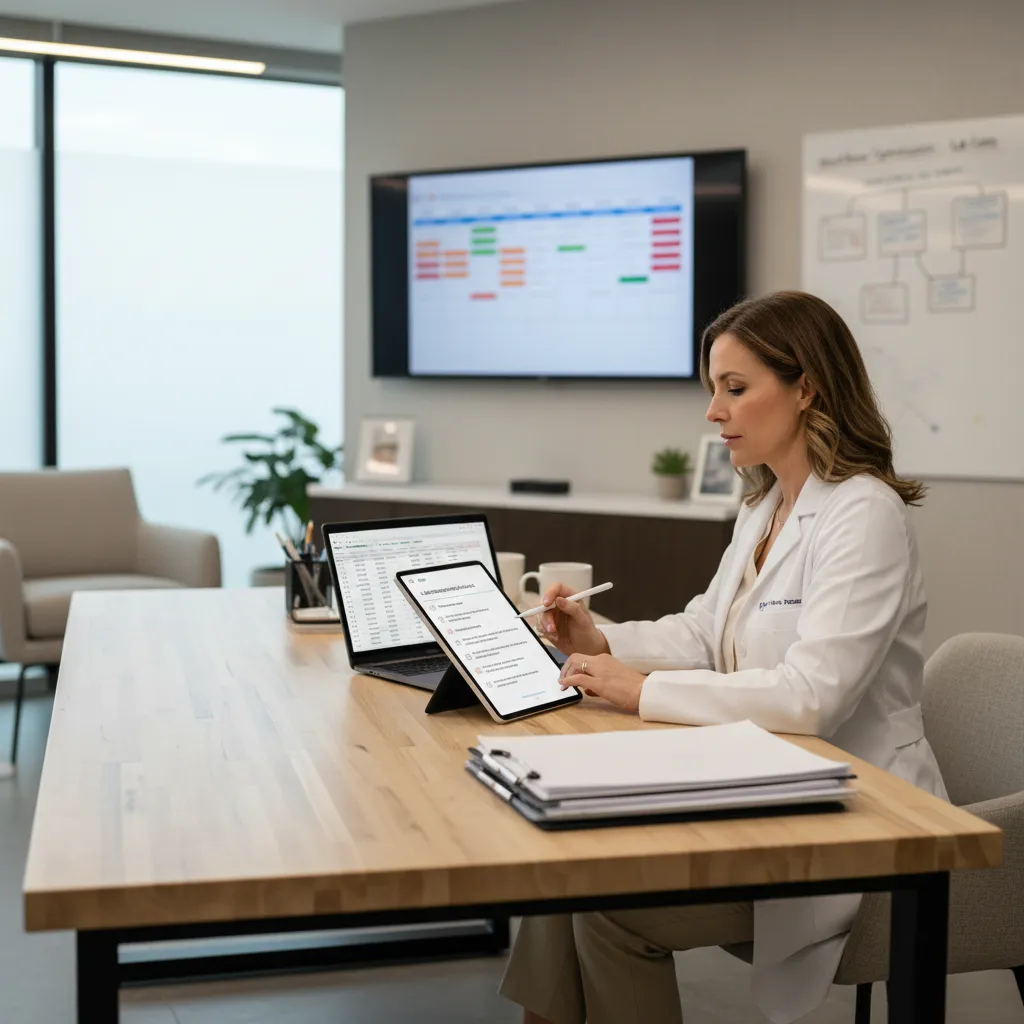
A short, structured review of your current lab relationship can reveal hidden costs and quick wins.
- How many remakes or major adjustments did we have in the last 3 months?
- How often are cases running late compared with quoted turnaround times?
- Do we have a single point of contact at the lab who understands our preferences?
- Are we using our scanner and digital tools to their full potential with this lab?
- Do we know exactly what materials are being used and where each case is manufactured?
- Does this relationship make the practice feel calmer and more predictable, or more chaotic?
If the answers leave you uneasy, that is your signal to explore other options and get a second opinion on a few upcoming cases. Often, sending a small batch of work to a new lab is all it takes to see the difference in fit, communication, and overall stress levels.
NovaDent Labs fabricates fixed prosthetics for dental practices across Australia.
View our Fixed Prosthetics Services →
Submit a Case →
Key takeaway: the “right” outsourcing model is the one that consistently supports your clinical standards, protects your reputation, and gives you back time even if the per‑unit price is not the lowest on the spreadsheet.
If you would like a practical conversation about where your current approach is working and where it is holding you back, the NovaDent team is happy to review a few cases and share honest feedback. Start by requesting our price list or contacting us via the details on our About NovaDent Labs page.
Related Posts
You may also be interested in

How to Find a Premium Dental Lab

Dental Implant Care: The Tooth May Be Artificial, But the Care Is Real
TMJ Splint vs Night Guard: What’s the Difference?

NovaDent Has Arrived.
Previously VTS Dental Labs.
Same team
Same standards
New identity
Visit our new website