

TL;DR:
- The digital dentistry workflow runs from intraoral scan to CAD design, CAM manufacture, QC and delivery. Each hand-off is a place for errors to creep in.
- CAD/CAM means designing a restoration in software (CAD) and producing it by milling or 3D printing (CAM).
- NovaDent accepts open scan files from 3Shape TRIOS, Medit and Planmeca, so you don't need to change scanners.
- Track remake rate, on-time delivery and chairside adjustment minutes to see whether a lab is really helping.
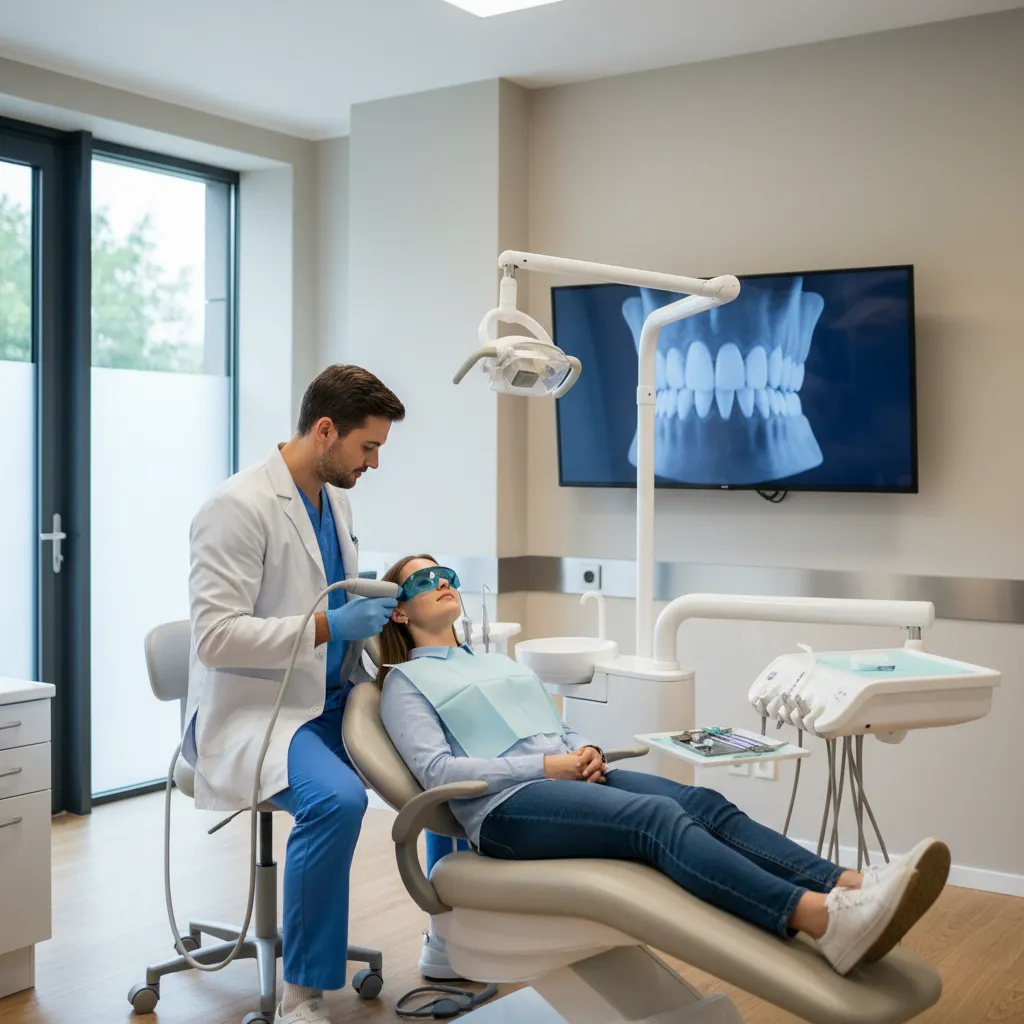
Running a busy practice in Sydney or regional NSW, you don't need anyone to tell you how much time a single remake or late crown can steal from the day. A patient is already in the chair, you've scheduled tightly, and suddenly you're juggling phone calls to the lab, rearranging appointments, and explaining delays.
NovaDent Labs provides digital dental workflows and precision restorations for dental practices across Australia.
View Our Services →
Learn About Intraoral Scanners →
Submit a Case →
When this keeps happening, the common thread is rarely your prep work alone. More often, the gap sits in how your lab handles digital dentistry from scan file to finished restoration.
That’s where a genuinely integrated CAD/CAM partner changes things: fewer surprises at fit, clearer communication, and cases that arrive on time more often than not.
What Sydney dentists are really asking about going digital
When clinicians talk about scanners and CAD/CAM, the real question underneath is simple: “Will this actually mean fewer remakes and less stress for my team?” Buying an intraoral scanner or working with a digital dental studio is only half the story. The other half is whether your lab can handle those files with the same care and clinical thinking you bring to the prep.
In conversations with dentists across Sydney and NSW, three themes come up again and again:
- “My remake rate hasn’t dropped as much as I expected.”
- “Crowns are still needing long occlusal adjustments at fit.”
- “Cases feel ‘digital’ on my side, but not at the lab.”
The good news: each of these problems can be traced to specific points in the lab’s crown and implant workflows. The right partner will happily walk you through those steps, not hide them. A quick starting point is to check whether your lab publishes clear information on their workflows and materials, as we do on the crowns and bridges services.
What is CAD/CAM dentistry?
CAD/CAM dentistry uses computer-aided design (CAD) to design a crown, bridge or implant restoration from a digital scan, and computer-aided manufacturing (CAM) to produce it by milling zirconia or lithium disilicate, or by 3D printing. The scan replaces the physical impression, and the design is built on screen instead of in wax.
In practice, the quality of the result depends as much on the lab's workflow as on the scanner. For the full background, see our guide to what CAD/CAM dentistry is.
Where digital workflows matter most in crowns and implants
Crowns and implant restorations ask a lot from a lab: margin clarity, contact points, occlusion, soft-tissue profiles, and aesthetics all at once. Add in multiple implant systems and scan body libraries, and it’s easy to see how things slip when workflows are fragmented.
Common remake and delay culprits
- Poor scan body positioning or unsupported implant libraries.
- Margins are misread because technicians are jumping between software platforms.
- Inconsistent emergence profiles around implants, leading to soft-tissue irritation.
- Weak QC on fits and contacts, so the first “try-in” is really the first true check.
- Cases sent offshore without clear digital prescriptions or photos.
The digital dentistry workflow: from intraoral scan to final restoration
A strong lab workflow pulls everything into a consistent chain:
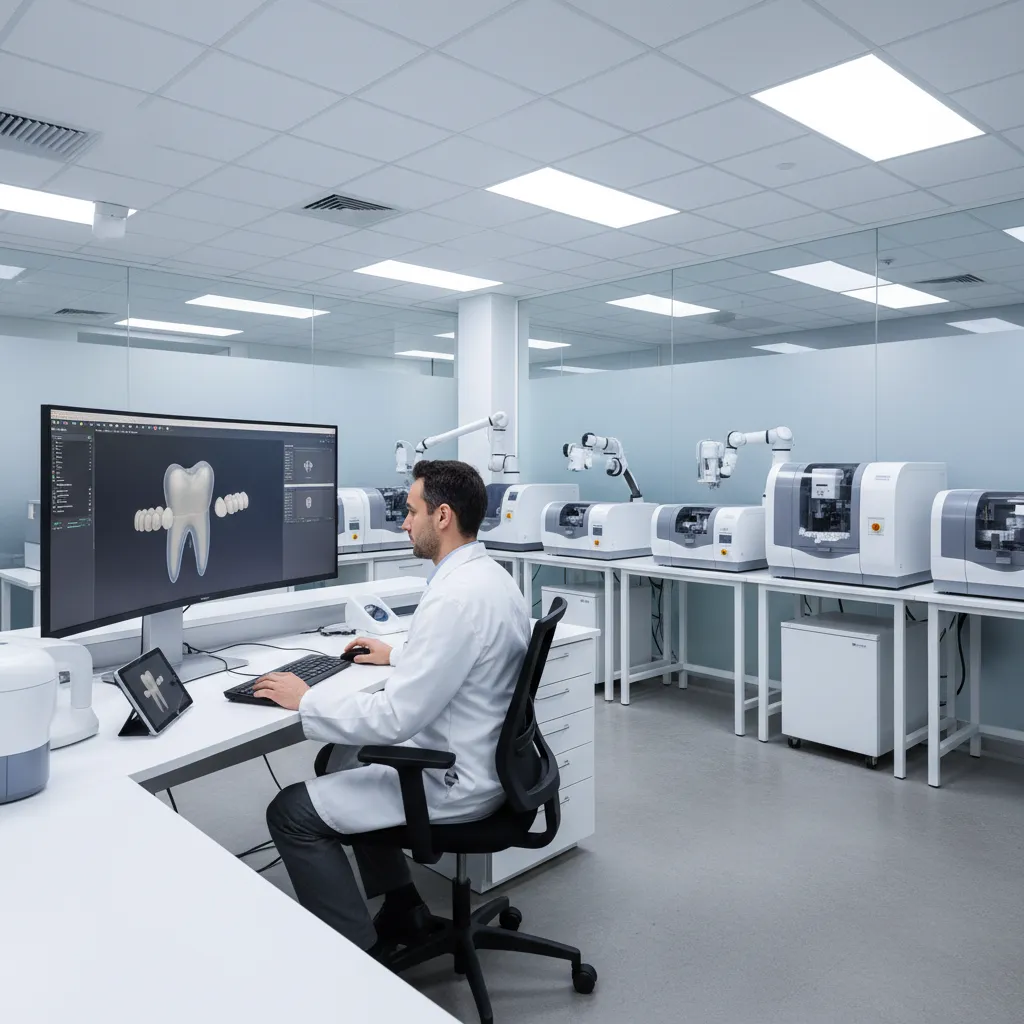
- Scan: the practice captures the prep, bite and opposing arch with an intraoral scanner and sends the file to the lab.
- Scan intake: the lab checks the STL or PLY file on arrival for margins, undercuts and artefacts, and flags problems straight away.
- CAD design: a technician designs the restoration in software, using consistent parameters for contacts, occlusion and emergence profile.
- CAM manufacture: the restoration is milled or printed, with calibrated sintering for zirconia and set protocols for lithium disilicate.
- QC and documentation: margins, contacts and screw access are checked before dispatch, and notes and photos are stored with the case.
- Delivery and fit: the restoration is dispatched, usually in 5 to 9 business days, and feedback from the try-in goes back to the lab.
Studies referenced by groups such as the Australian Dental Association have shown that digital impressions tend to reduce impression retakes compared with conventional materials when teams on both ends know what they’re doing. The key phrase there is “both ends.” In one laboratory study comparing a TRIOS intraoral scanner with additional silicone impressions for a single prepared molar, the mean internal gap between the framework and the model was around 70–75 µm for the digital technique versus roughly 140–160 µm for the conventional technique, indicating significantly higher accuracy for the scanner-based approach.
Scanner compatibility: 3Shape, Medit and Planmeca
NovaDent accepts digital impressions from all major intraoral scanner systems. The workflow supports open files and proprietary scanner ecosystems, so you don't need to change scanners to work with us.
See the full scanner connection guide for setup steps, or compare models in our intraoral scanner comparison. Practices without a scanner can check the intraoral scanner offer.
CAD/CAM lab partner checklist for Sydney and NSW dentists
Whether you are scanning already or planning to, use this quick checklist to evaluate any lab that calls itself “digital.”
1. Scanner and file compatibility
- Do they accept open files from your current scanner model (not just their preferred system)?
- Can they work comfortably with full-arch scans, not only single units?
- Is there a simple guide for sending files and photos, like the instructions on the digital workflows page?
2. CAD design expertise, especially for implants
- Which software platforms do they design in, and how many cases per month are implant-based?
- Do they support the implant systems you place most often in your practice?
- Can they show examples of custom abutments, screw-retained crowns, and full-arch restorations they have designed?
3. CAM production, materials, and QC
- Are zirconia and other materials locally milled with clear traceability?
- Do they follow ISO 13485-style processes and keep TGA-aligned documentation on materials?
- What specific checks are done for occlusion, contacts, and fit before dispatch?
4. Communication and case planning
- Can you speak with a technician or clinician to plan complex cases?
- Do they encourage you to send pre-op photos, bite records, and shade information, or just “send the scan” and hope for the best?
- Is there an easy way to note special requests (pontic design, soft-tissue sculpting, screw access) on the lab sheet or portal?
5. Education and support
Labs that think long term tend to invest in training. Do they:
- Provide simple chairside guides for scanning, prep design, and implant impression techniques?
- Run webinars or in-practice sessions, or partner with education groups like the Institute of Digital Dentistry?
- Share honest feedback on your cases instead of quietly remaking work in the background?
Questions to ask any digital dental studio or lab before sending cases
Many labs brand themselves as a “digital dental studio,” but the real test is how they handle day-to-day details. Here are practical, conversation-starting questions you can use on the phone or over coffee:
- “What is your current remake rate on posterior crowns and on implant crowns?”
- “How many business days do you usually need from scan to dispatch for zirconia crowns?”
- “What happens when a case doesn’t fit? Walk me through your process.”
- “How do you prefer I scan margins on deep subgingival preps?”
- “Which implant libraries do you support, and how do you keep them updated?”
“If a lab can’t answer these questions clearly, you’ve just done a mini stress-test of their systems.”
A lab that welcomes these questions usually has nothing to hide. At NovaDent, for example, we publish clear turnaround expectations on our implant restorations page and talk openly about remake trends with our partner practices.
Local vs offshore labs for digital crowns and implants in NSW
Offshoring can look attractive on paper, yet it often adds uncertainty to crown and implant workflows. Shipping time, time zones, and language gaps all make remake discussions slower and more frustrating.
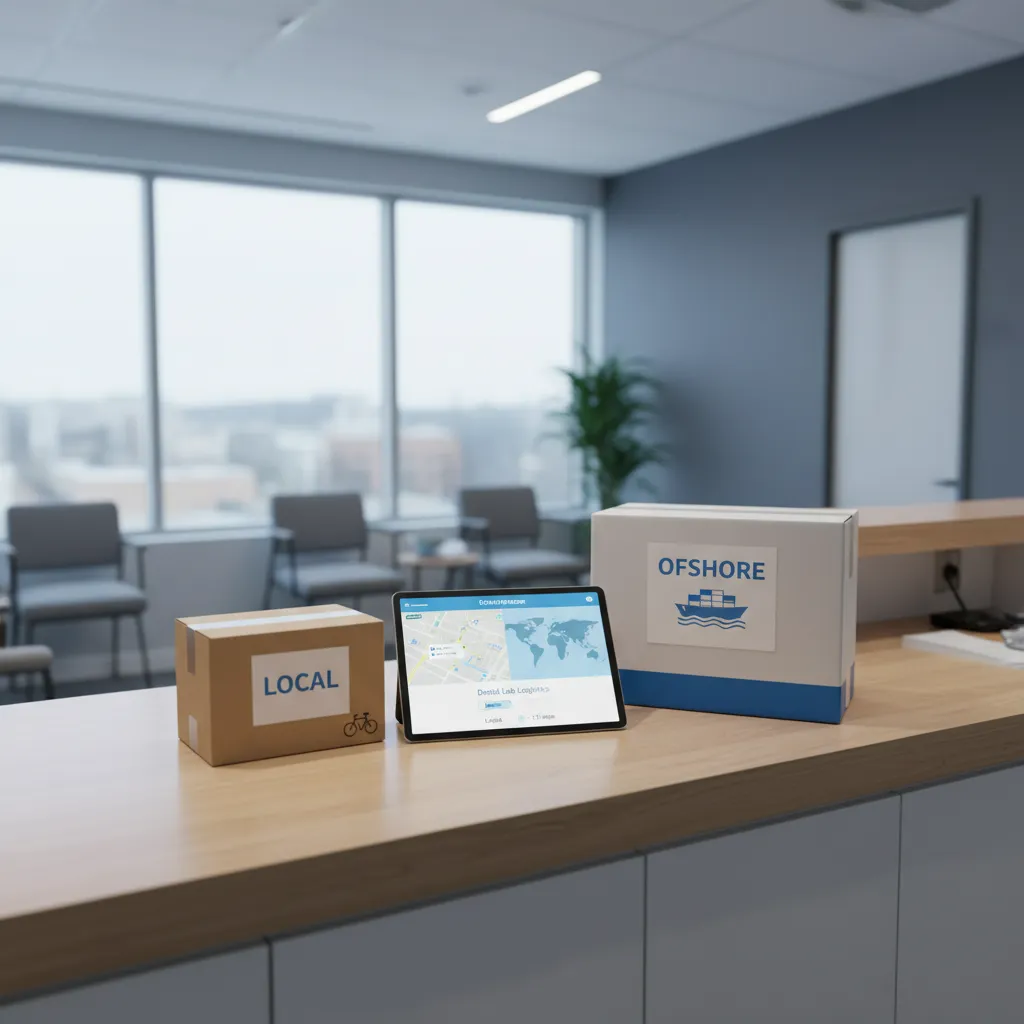
A Sydney-based or broader NSW lab with strong CAD/CAM systems offers a few specific advantages:
- Predictable turnaround: 5–9 business days is realistic for most crown and implant cases when everything stays local.
- Fast clarification: If a margin or implant position is unclear, the lab can call the same day instead of stacking days of back-and-forth.
- Local shade and aesthetic matching: Patients can visit for custom shade checks when needed.
- Regulatory alignment: TGA expectations are understood and built into workflows.
There’s a place for offshore in certain scenarios, but for most practices in Sydney and NSW that want fewer remakes and less stress, a local digital partner gives far more control.
How to measure success: remake rates, delays, and chairside time
Switching labs or stepping fully into digital is a business decision. It deserves numbers, not just gut feelings.
Three simple metrics to track
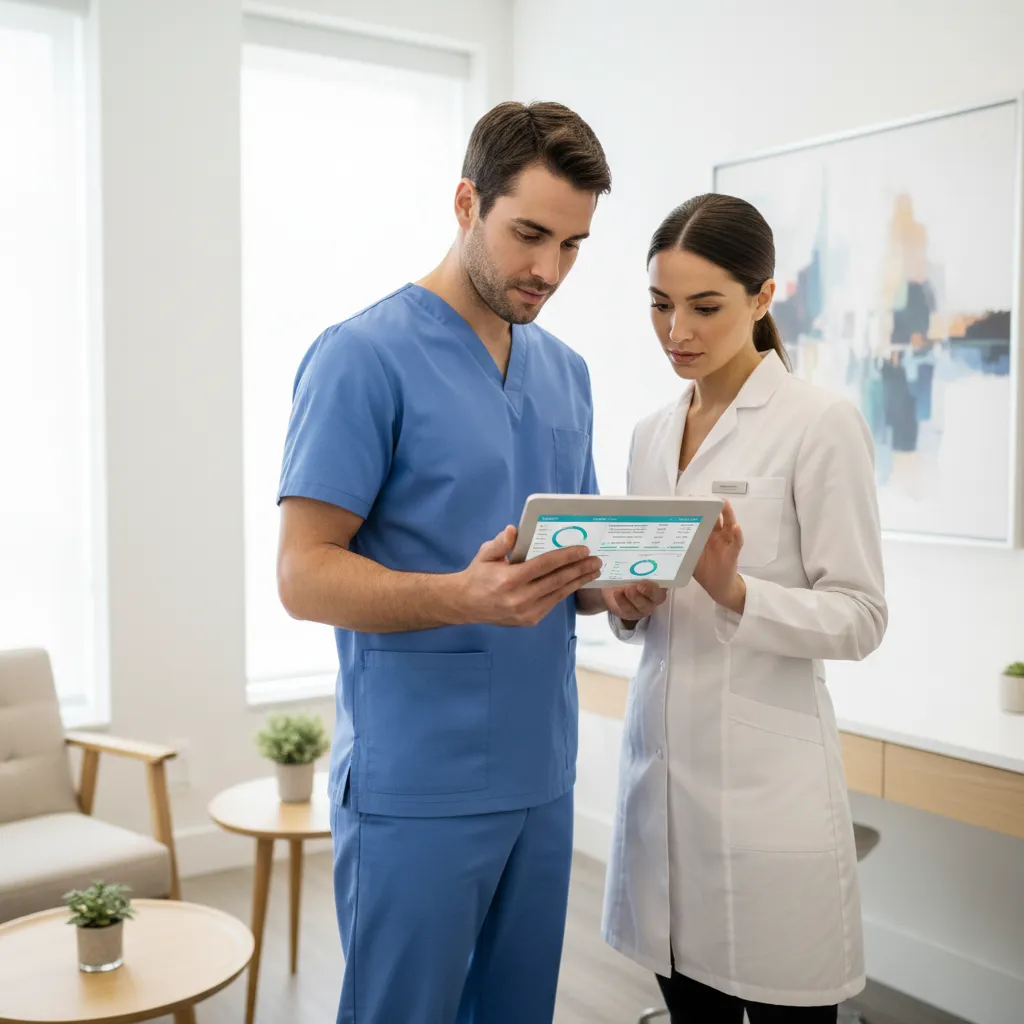
- Remake rate: In a given quarter, what percentage of crowns or implant restorations are remade or heavily reworked?
- On-time deliveries: How often are cases dispatched on, before, or after the agreed date?
- Chairside adjustment minutes: How many minutes, on average, are spent adjusting occlusion and contacts per case?
A simple spreadsheet or practice-management note template can log this. After three to six months with a new CAD/CAM partner, you should see a clear trend. If you don’t, that’s a prompt for an honest review with the lab.
For reference, when practices move to streamlined digital workflows with a consistent lab partner, they often report meaningful drops in chairside adjustment time. Clinical research published in journals such as the Journal of Prosthodontics has shown that implant-supported crowns produced with a fully digital workflow can require around 2.2 minutes of chairside adjustment on average, compared with about 6.0 minutes for a conventional pathway—almost a threefold difference in adjustment time.
Well-managed digital restorations in these studies were at least comparable to, and often more predictable than, traditional methods.
How NovaDent Labs supports digital dentistry for crowns and implants
NovaDent Labs was built from the ground up around digital workflows rather than retrofitting scanners into an old model. From our Sydney lab in Yagoona, we support general dentists and specialists across NSW and Australia-wide.
In practical terms, that means:
- Acceptance of all major intraoral scanner file formats, with clear instructions on sending cases.
- CAD design by technicians who work closely with our clinician-led team to think through occlusion, soft tissue, and long-term maintenance.
- CAM manufacturing supported by ISO 13485 and TGA certified aligned processes, with traceable materials and QC steps at each stage.
- Turnaround times that are transparent (typically 5–9 business days) and communicated up front.
- Case planning support for complex implant and multi-unit cases, available by phone, email, or virtual meeting.
If you are curious how this looks in day-to-day practice, the NovaDent implants and crowns pages outline our standard options, materials, and design approaches for different clinical scenarios.
Next steps for your practice: fewer remakes this quarter
Rather than switching everything at once, many Sydney and NSW dentists start by sending a defined set of cases to a new lab: for example, single-unit posterior crowns and straightforward implant crowns. That gives you a clean way to compare remake rates, delivery times, and patient feedback.
A simple action plan might look like this:
- Choose 10–20 upcoming crown or implant cases to send to a single CAD/CAM partner.
- Agree on turnaround and communication channels in advance.
- Track the three metrics discussed above for those cases.
- Review results with the lab and decide whether to expand the relationship.
NovaDent Labs provides digital dental workflows and precision restorations for dental practices across Australia.
View Our Services →
Learn About Intraoral Scanners →
Submit a Case →
If you’d like to see how this could look with NovaDent, you can Request Price List to understand fees, materials, and turnaround times, or contact our team through the contact page to talk through your current remakes and bottlenecks.
Frequently asked questions
What is the digital dentistry workflow? The digital dentistry workflow takes a case from intraoral scan to finished restoration without a physical impression. The scan is checked on arrival, designed in CAD software, manufactured by milling or 3D printing (CAM), quality checked, and dispatched with notes and photos stored against the case. Standard turnaround at NovaDent is 5 to 9 business days.
What is CAD/CAM dentistry? CAD/CAM dentistry uses computer-aided design (CAD) to design a restoration from a digital scan and computer-aided manufacturing (CAM) to produce it, usually by milling zirconia or lithium disilicate or by 3D printing.
Which intraoral scanners does NovaDent accept? NovaDent accepts digital impressions from all major intraoral scanner systems, including 3Shape TRIOS, Medit and Planmeca. The workflow supports open file formats such as STL and PLY as well as proprietary scanner ecosystems.
How do I connect my scanner to NovaDent Labs? Connection is set up inside your scanner's own software. For 3Shape, add NovaDent Labs as a lab connection in your Communicate account settings. For Medit Link, add NovaDent Labs as a partner. Step-by-step instructions for each platform are on the NovaDent scanner connection page.
How long does a digital crown or implant case take? Most crown and implant cases are dispatched in 5 to 9 business days from receipt of a usable scan, with the timeline confirmed up front.
Does a digital workflow reduce remakes? It can, when both the practice and the lab handle the scan file consistently. A digital chain removes manual transfers and lets the lab check margins, contacts and implant libraries before manufacture. Results vary between practices, so track remake rate, on-time delivery and chairside adjustment time over three to six months.
Key takeaways
- Remakes and delays often reflect lab systems, not just chairside technique.
- A true digital partner shows you their workflow, remake rates, and QC steps.
- Local Sydney and NSW labs with strong CAD/CAM processes give more control than distant providers.
- Track data over a few months to see whether your chosen lab is genuinely improving your crown and implant workflows.
Disclaimer: This article is for general informational purposes for dental professionals and does not replace your own clinical judgement or local regulatory guidance. Results vary between practices and patients; no specific outcomes are guaranteed. Content was prepared with support from AI-assisted drafting tools and reviewed by the NovaDent team before publication.
Related Posts
You may also be interested in

How to Find a Premium Dental Lab

Dental Implant Care: The Tooth May Be Artificial, But the Care Is Real
TMJ Splint vs Night Guard: What’s the Difference?
NovaDent Has Arrived.
Previously VTS Dental Labs.
Same team
Same standards
New identity
Visit our new website