

There’s a moment every implant dentist knows: the scan or impression is done, the lab sheet is half filled out, and you pause over one box retention type. In that second you weigh screw retained vs cement retained options against the patient in the chair, the tissue you’ve just contoured, and the occlusion you still need to refine. Get this call right and future reviews stay straightforward. Get it wrong and you inherit cement remnants, loosened screws, or a crown no one wants to cut off.
This guide outlines an evidence‑informed framework you can use chairside and with your lab, so the choice becomes predictable rather than a coin toss.
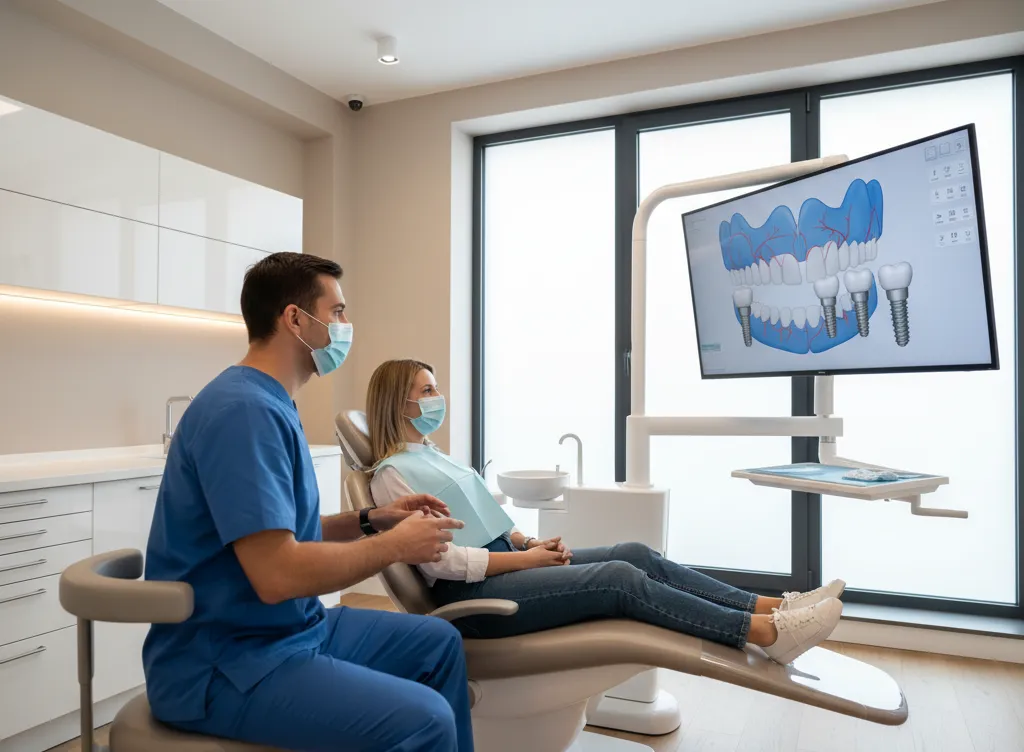
TL;DR: When to pick screw vs cement
- Default to screw‑retained when you have acceptable screw access, limited vertical space, high peri‑implant risk, or you expect maintenance.
- Consider cement‑retained for demanding anterior esthetics, tricky implant angulation without angulated channels, or when you need a seamless occlusal surface.
- Both designs show high survival; screw‑retained tends to have more mechanical issues (loosening, chipping), while cement‑retained shows more biological challenges if cement protocols slip (ITI consensus statement).
- Work with a digital lab that supports both workflows and helps design margins, emergence profiles, and access channels that match your plan.
Contents
- The real clinical question
- Key decision factors
- When screw‑retained crowns shine
- When cement‑retained crowns make sense
- Complication patterns: mechanical vs biological
- A simple chairside framework
- NovaDent implant support
- FAQ: screw vs cement
The real clinical question behind retention choice
Most papers compare screw‑retained and cement‑retained crowns in terms of survival. Both do well. Systematic reviews and ITI consensus statements report high long‑term survival for each design, with no universal winner.
In day‑to‑day practice, the tougher question isn’t “Which is better overall?” but:
- “Which retention method fits this implant position, this soft tissue, this occlusion, and this patient’s risk profile?”
- “If something goes wrong, how easily can I intervene without sacrificing the restoration?”
That’s why a structured decision process, shared between clinic and lab, often matters more than a blanket preference. A lab partner that understands your implant systems, components and digital files can help translate that process into consistent restorations; NovaDent’s implant restorations service is built around this shared planning approach.
Key factors in the screw vs cement decision
Five practical variables usually drive the choice:

1. Implant position and screw‑access emergence
- Ideal screw access (central fossa or palatal to the incisal edge): screw‑retained often becomes the first choice.
- Access emerging buccally in a high‑smile anterior case: cement‑retained may keep the smile zone clean, unless you use angulated screw channels.
- Severely angled implants: may force a cemented solution if your implant system lacks reliable angulated screws or components.
2. Esthetic demands
- Anterior cases with thin tissue and high smile lines lean toward cement‑retained for a seamless labial surface.
- Posterior zones, or smiles where the access hole stays hidden, are perfect for screw‑retained solutions.
3. Vertical restorative space
- Limited space (for example 3.5–5 mm) favours screw‑retained crowns, as you bypass separate abutment height.
- Generous space can accommodate both options, so the decision shifts to esthetics, retrievability and biology.
4. Peri‑implant health risk
Residual cement has been linked with peri‑implant inflammation and bone loss in multiple clinical studies, especially when margins are placed deep subgingivally (peri-implantitis study).
- Patients with a history of periodontitis, shallow vestibules, or limited hygiene ability benefit from designs that limit cement risks.
- In those cases, many clinicians lean towards screw‑retained restorations or cement‑retained crowns with supragingival margins and strict cementation protocols.
5. Retrievability and maintenance
- Screw‑retained: direct access lets you retighten, reline, or repair without cutting through ceramic.
- Cement‑retained: often needs sectioning for retrieval, which means lab remake and extra chair time.
Thinking through these five factors before you tick the box on the lab sheet changes the case. If you use intraoral scanning, you can send scans and photos directly to NovaDent via our intraoral scanner connection guide to align on these choices early.
When screw‑retained implant crowns shine
Many practices treat screw‑retained as their default, especially in the posterior, then justify any move to cement. Here are the main reasons.
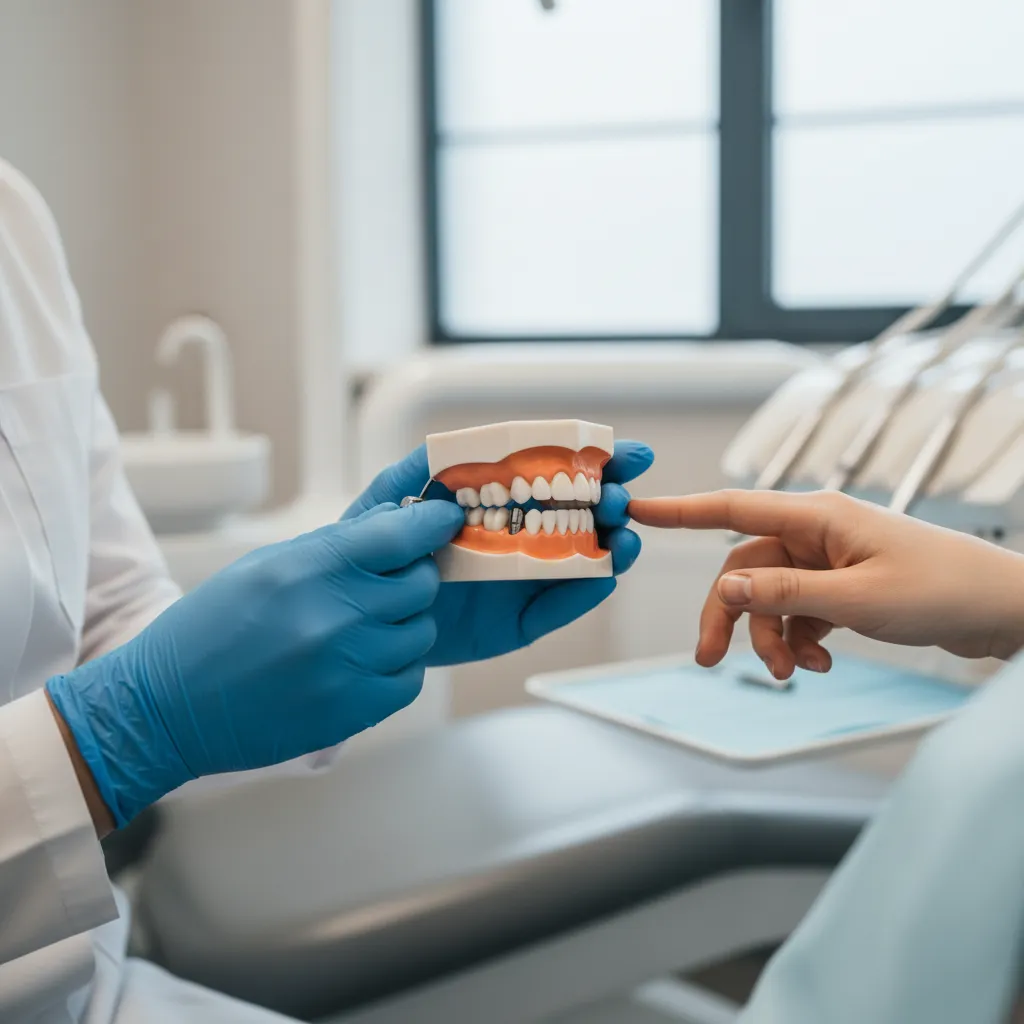
Retrievability and troubleshooting
- Easy access for screw retightening or replacement.
- Straightforward management of chipping, abutment issues, or need for soft‑tissue assessment.
- Lower stress when trying new materials or occlusal schemes in high‑risk patients.
Biologic peace of mind
Because there’s no cement, you remove one risk factor for peri‑implant inflammation linked to excess cement around deep margins. You can still see peri‑implant disease around screw‑retained restorations, but you won’t be chasing a buried cement remnant with an explorer.
Limited restorative space and full‑arch work
- Full‑arch bridges and All‑on‑X reconstructions are overwhelmingly screw‑retained for serviceability.
- Reduced vertical space cases profit from screw retention, especially where a separate abutment would compromise material thickness.
NovaDent fabricates implant prosthetics with CAD/CAM workflows and compatible components, following each system’s protocols. If you’d like to standardise screw‑retained protocols across systems, our team can walk through options when you request our current price list.
When cement‑retained implant crowns make sense
Cement‑retained crowns still have a clear role, especially where esthetics are critical or implant position isn’t ideal.
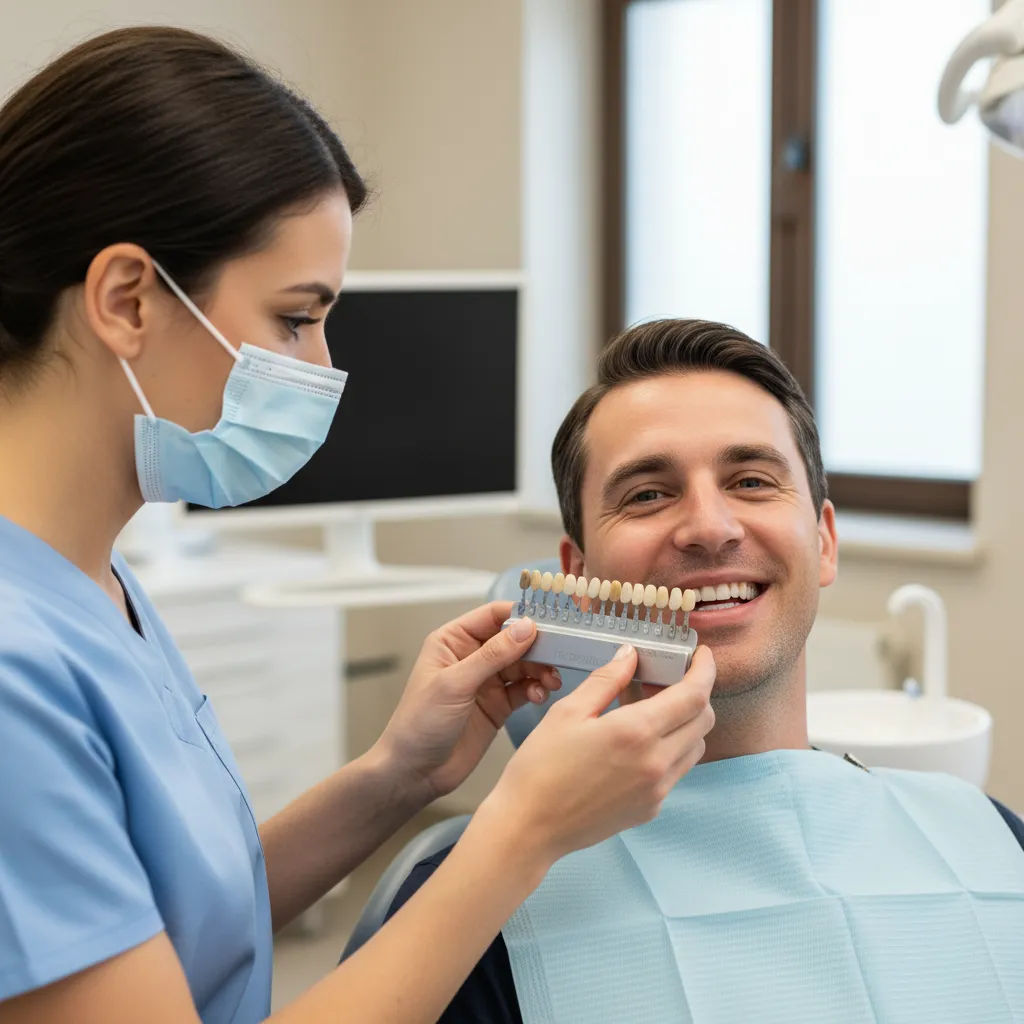
High‑demand anterior esthetics
- No screw access hole in the facial or incisal region.
- Greater freedom to sculpt emergence and contour without planning around access position.
- Useful where angulated screw channels are not available or would compromise strength.
Challenging angulation
When the screw channel would exit through the facial surface or incisal edge and your system doesn’t offer reliable angulated screws, a custom abutment with a cement‑retained crown can give a better result. The key is bringing margins as close to tissue level as the soft‑tissue profile allows, which makes excess cement removal more predictable (Spear Education review).
Familiar workflow for some teams
For practices used to conventional crown and bridge, cement‑retained implant crowns can feel intuitive, especially when working with stock abutments on posterior cases.
NovaDent provides implant prosthetics and custom abutments, with digital workflows to support margin positioning and anterior esthetics. For more on our fixed work, see our fixed prosthetics overview.
Complication patterns: mechanical vs biological
Several clinical studies and reviews tell a consistent story:
- Screw‑retained crowns show more mechanical issues such as screw loosening and, in some reports, higher rates of ceramic chipping.
- Cement‑retained crowns tend to show more biological issues like inflammation and bone loss where excess cement is present (prospective study).
One prospective study on single crowns, for example, found higher screw loosening in the screw‑retained group and more marginal discrepancies, cement washout and trends toward more peri‑implantitis with cement‑retained crowns over 12 months.
| Aspect | Screw-retained | Cement-retained |
|---|---|---|
| Retrievability | High — crown can be unscrewed | Low — often needs sectioning |
| Biologic risk from cement | No cement layer | Risk if excess cement remains subgingivally |
| Mechanical issues | Screw loosening, possible chipping | Cement washout, decementation, marginal gaps |
| Anterior esthetics | Access hole may show if poorly positioned | No access hole; smoother labial surface |
| Vertical space | Favourable in limited space | Needs space for abutment + crown |
In other words, you’re rarely choosing “good vs bad.” You’re choosing which set of trade‑offs you would rather manage, on this implant, with this patient, over the next decade.
A simple chairside framework for screw vs cement
Here is a decision framework you can keep in your notes or on the wall in your surgery.
- Check screw‑access position
If access exits in a central fossa or palatal/lingual to the incisal edge and esthetics are acceptable → lean to screw‑retained. - Assess vertical space
Limited vertical space or full‑arch case → favour screw‑retained. - Review peri‑implant risk
History of periodontitis, shallow sulcus, or hygiene challenges → strong bias toward screw‑retained or cement crowns with supragingival margins and strict cement protocol. - Consider esthetic priority
High‑demand anterior with buccal access and no angulated screw solution → cement‑retained with custom abutment and margin control. - Plan for maintenance
Bruxers, complex occlusions, or diagnostic restorations → screw‑retained for easier review and modification. - Confirm with your lab
Share photos, scans and any shade/soft‑tissue notes. Use a consistent implant prescription form or digital lab sheet with clear tick‑boxes and comments.
If you’re building or revising your decision protocol, NovaDent can help set up a standardised prescription with your most common implant systems so this process becomes second nature for your team.
How NovaDent Labs supports your implant cases
- Case planning support send radiographs, photos and scans for input on retention choice, abutment type and material selection.
- Digital wax‑ups and prototypes to test tissue contours and access positions before committing to a final restoration.
- Clear documentation with key components and lab notes to support long‑term maintenance.
FAQ: cement vs screw retained implant crown
How do you decide between a cement vs screw retained implant crown for a single tooth?
For a quick rule of thumb, think posterior = screw‑retained (if access is acceptable) and high‑esthetic anterior = cement‑retained on a custom abutment with cleansable margins and a strict cement protocol. For a fuller checklist, see the Key decision factors section.
Is a screw retained vs cement retained implant crown better for peri‑implant health?
When cement is used carefully and margins are kept near tissue level, systematic reviews suggest rates of peri‑implant disease can be similar between both designs (systematic review). Deep subgingival margins and excess cement have been linked with higher inflammation and bone loss, which is why many teams lean toward screw‑retained designs in higher‑risk patients.
Does screw loosening mean the implant system is failing?
Not usually. Screw loosening is a common mechanical complication with screw‑retained crowns and often relates to occlusal load, torque technique or component wear rather than implant failure. Most cases can be managed by cleaning the interface, applying the manufacturer’s torque and reviewing occlusion; if it recurs, consider an occlusal guard and talk with your lab about contact design and material selection.
Can I switch from cement‑retained to screw‑retained later?
Sometimes. If implant platform position and angulation allow screw access and compatible components exist, you may be able to remake the case as screw‑retained; in other situations, implant angle or soft‑tissue levels limit options. This is another reason to plan retention early, ideally at the planning and surgical‑guide stage, not just at the impression visit.
This article is for general clinical education and does not replace your own diagnosis, treatment planning or local guidelines.
Key takeaway
Screw‑retained and cement‑retained implant crowns are both reliable when well planned and made. The key is matching the design to the case, documenting your rationale, and partnering with a lab that understands and follows your protocol.
To discuss a specific case or set up a standard implant prescription with NovaDent, contact our lab team.
Related Posts
You may also be interested in

How to Find a Premium Dental Lab

Dental Implant Care: The Tooth May Be Artificial, But the Care Is Real
TMJ Splint vs Night Guard: What’s the Difference?

NovaDent Has Arrived.
Previously VTS Dental Labs.
Same team
Same standards
New identity
Visit our new website