%2520(1).jpeg)
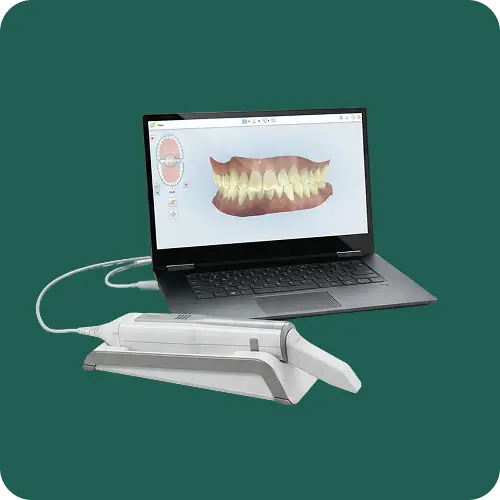
Removable dentures are dental prosthetics designed to replace missing teeth. They have become a popular solution due to their flexibility, affordability, and ability to meet the needs of diverse patients, particularly older adults or those with limited budgets.
Choosing removable dentures can be a complex decision. For dentists, understanding the technical aspects, clinical features, and patient expectations is essential for providing accurate recommendations. This not only ensures optimal treatment outcomes but also builds patient trust, a vital factor for the success of any prosthetic treatment plan.
Fixed vs. Removable Dentures
Structure and Fixation
Removable dentures are flexible prosthetic solutions with a base made from acrylic or flexible materials like Valplast®, secured with metal or resin clasps, or sometimes supported by implants (overdentures). These dentures are easy to remove, offering convenience and suitability for patients with extensive tooth loss, particularly seniors.
Removable dentures are commonly fabricated using acrylic or flexible materials such as Valplast®. The process involves a precise base design to ensure a comfortable fit and stability. Implant-supported removable dentures (overdentures) require coordination with Locator Abutments or Metal Housings to achieve secure attachment. However, the fabrication of removable dentures is generally simpler, faster, and well-suited for dental labs with standard production facilities.
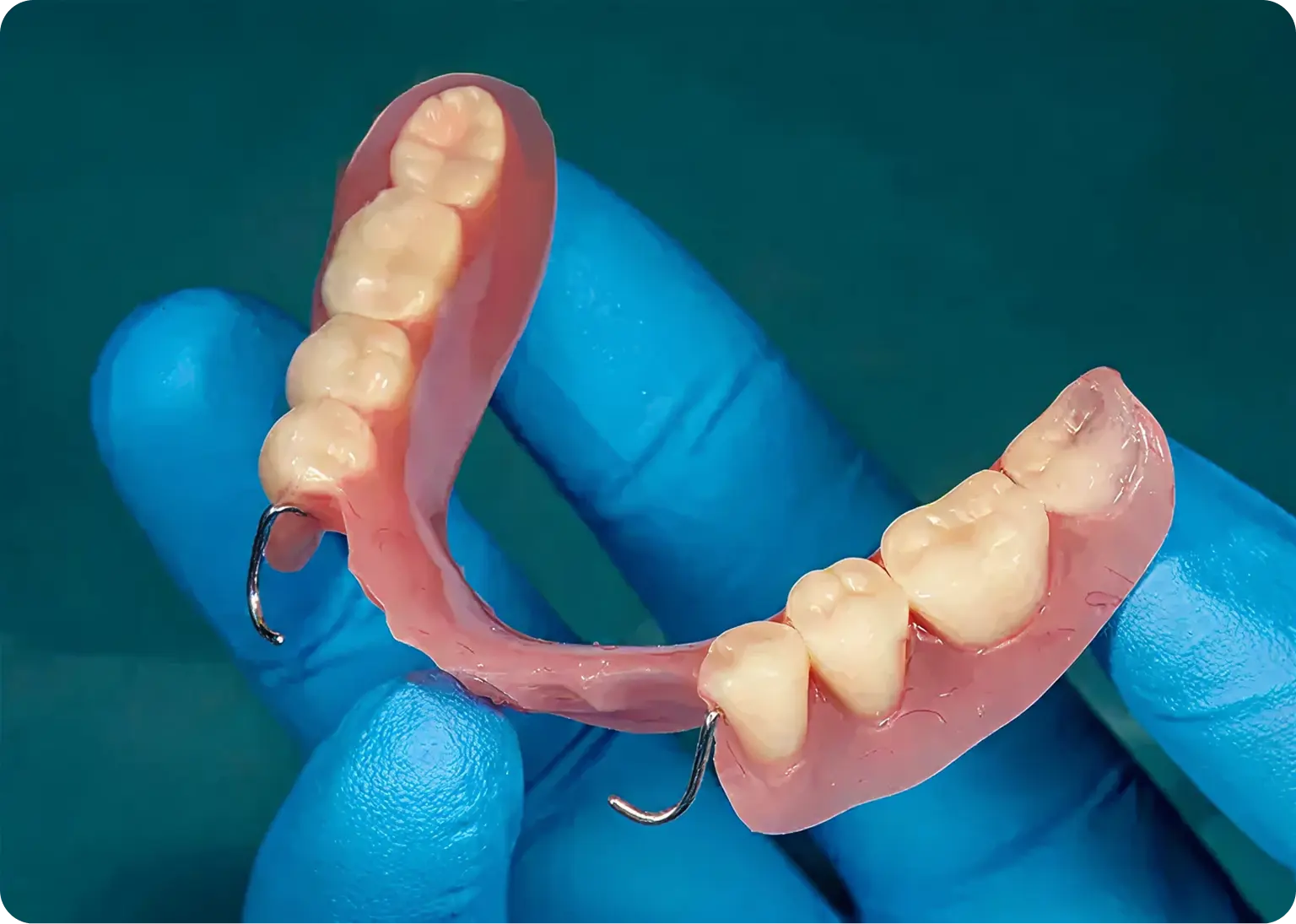
Removable dentures are commonly fabricated using acrylic or flexible materials such as Valplast®. The process involves a precise base design to ensure a comfortable fit and stability. Implant-supported removable dentures (overdentures) require coordination with Locator Abutments or Metal Housings to achieve secure attachment. However, the fabrication of removable dentures is generally simpler, faster, and well-suited for dental labs with standard production facilities.
Personal information may be collected when:
- Placing an order or requesting a quote
- Subscribing to updates or mailing lists
- Contacting the support team or submitting an enquiry
- Using this website or related online services
Fixed vs. Removable Dentures
Structure and Fixation
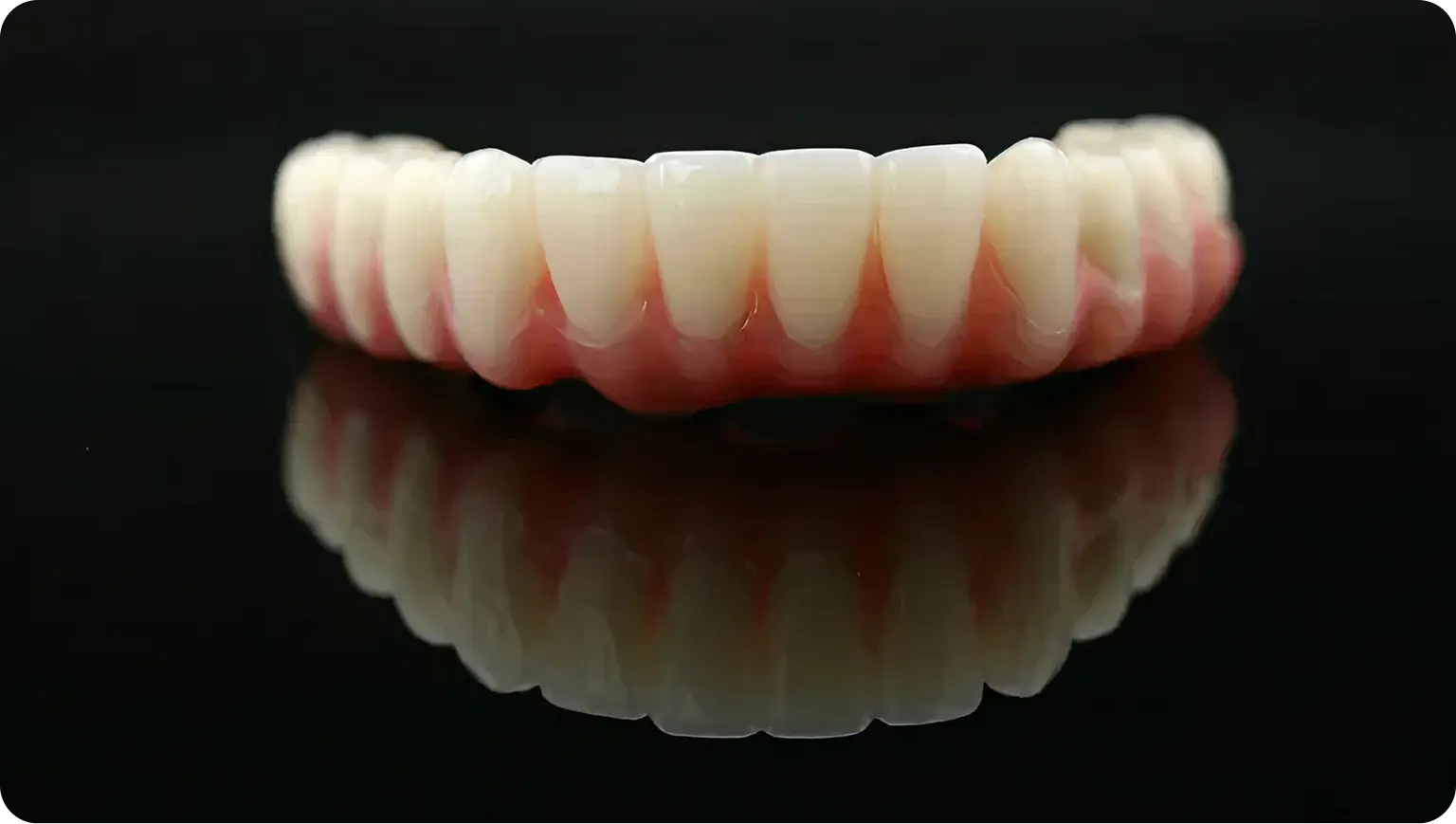
Removable dentures are flexible prosthetic solutions with a base made from acrylic or flexible materials like Valplast®, secured with metal or resin clasps, or sometimes supported by implants (overdentures). These dentures are easy to remove, offering convenience and suitability for patients with extensive tooth loss, particularly seniors.
Removable dentures are commonly fabricated using acrylic or flexible materials such as Valplast®. The process involves a precise base design to ensure a comfortable fit and stability. Implant-supported removable dentures (overdentures) require coordination with Locator Abutments or Metal Housings to achieve secure attachment. However, the fabrication of removable dentures is generally simpler, faster, and well-suited for dental labs with standard production facilities.
Personal information may be collected when:
- Placing an order or requesting a quote
- Subscribing to updates or mailing lists
- Contacting the support team or submitting an enquiry
- Using this website or related online services
3. Use of Information
Collected information is used to:
- Process and deliver products or services
- Communicate updates, invoices, and order confirmations
- Provide customer and technical support
- Improve website experience and service quality
- Send marketing or educational communications (only with consent)
4. Data Security and Storage
All personal and sensitive information is stored securely using encrypted systems, firewalls, and access control.
Strict internal policies ensure that only authorised personnel can access customer data, and only for legitimate business purposes.
Reasonable measures are taken to protect against loss, misuse, or unauthorised disclosure.
5. HIPAA Recognition
As a HIPAA-recognised organisation, we adhere to the Health Insurance Portability and Accountability Act (HIPAA) standards for protecting patient health information.
In the dentistry industry, HIPAA compliance means:
- Patient confidentiality: All identifiable patient data (e.g., names, images, scans, or clinical notes) is handled with the highest level of security and discretion.
- Secure transmission: Any digital communication or data transfer (including intraoral scans, records, and lab forms) is encrypted end-to-end.
- Limited access: Only authorised team members involved in production, processing, or delivery have access to protected health information (PHI).
- Accountability: Systems and processes are routinely reviewed to maintain compliance and data integrity.
This recognition reflects our ongoing commitment to safeguarding patient privacy and maintaining trust with dental professionals across Australia.
Related Posts
You may also be interested in
.png)
How to Find a Premium Dental Lab

Dental Implant Care: The Tooth May Be Artificial, But the Care Is Real
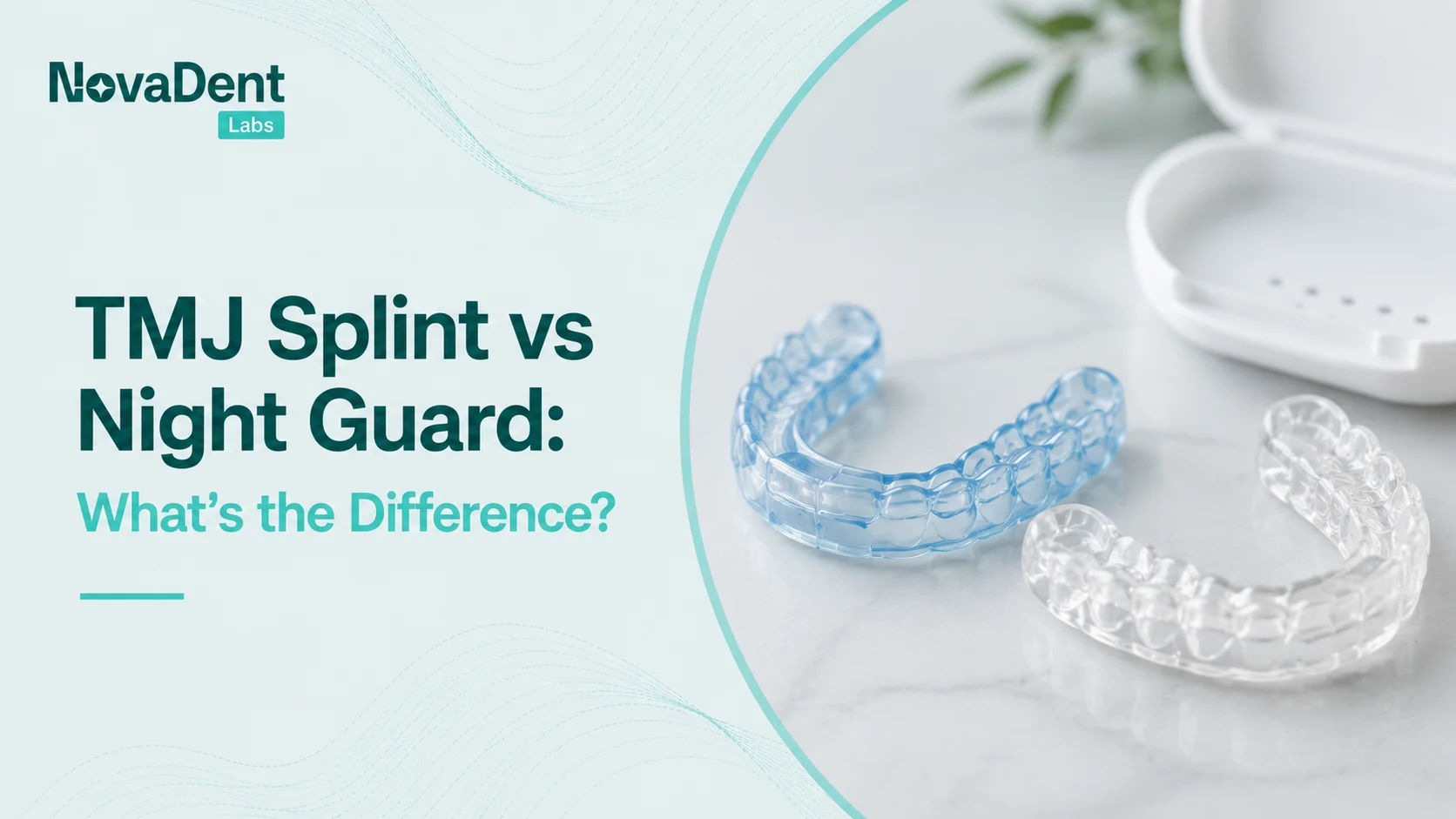
TMJ Splint vs Night Guard: What’s the Difference?

NovaDent Has Arrived.
Previously VTS Dental Labs.
Same team
Same standards
New identity
Visit our new website