
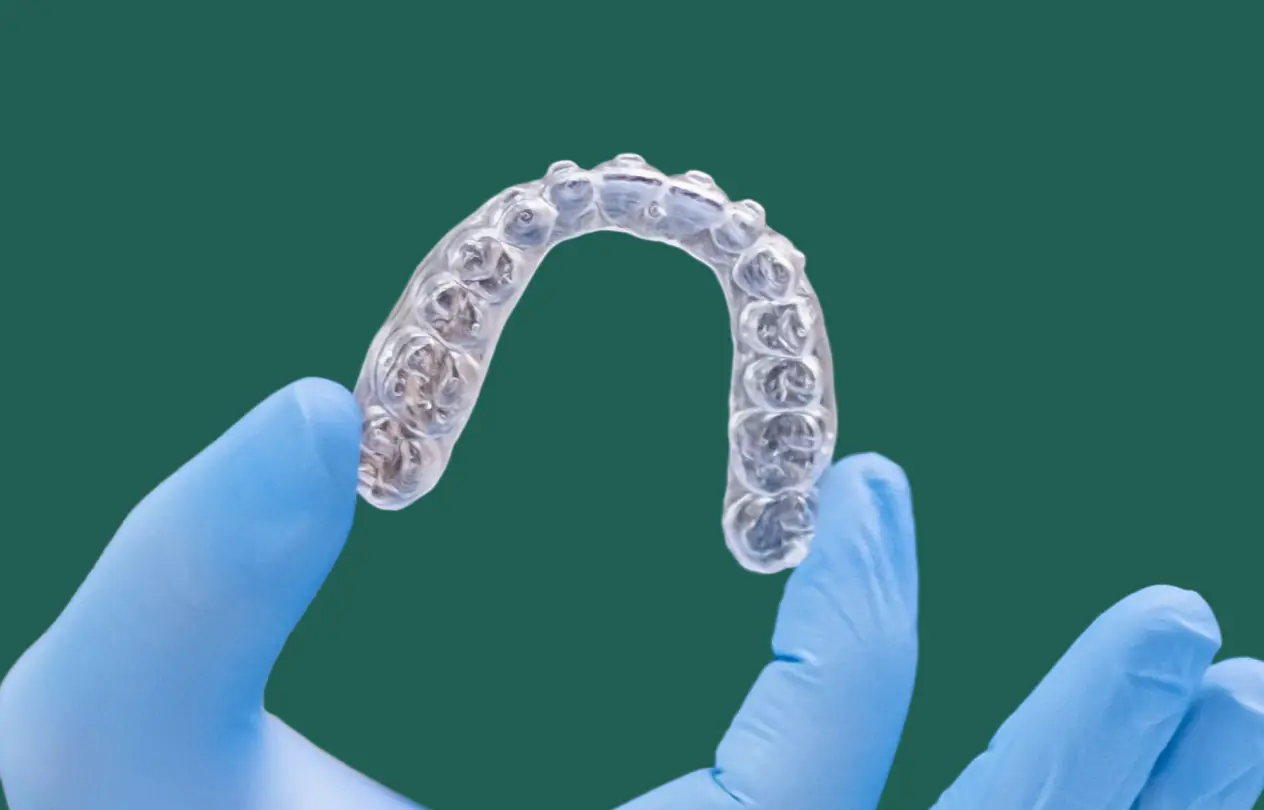
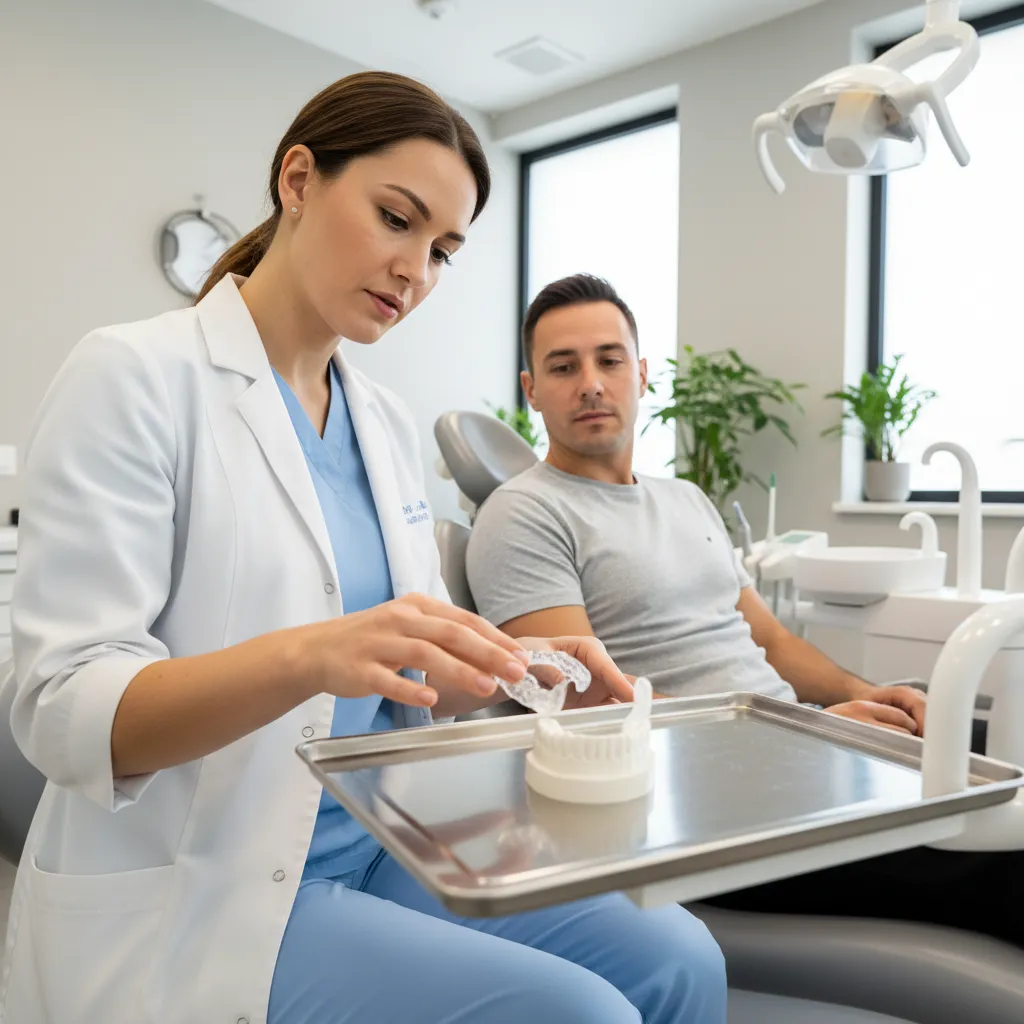
Occlusal splint therapy often begins with a clear explanation of goals, material options and expected comfort.
A patient walks in with tired muscles, chipped restorations and that familiar story: “My jaw feels tight in the morning, but I’m not grinding.” You know the pattern, yet small decisions on design, material and lab communication often decide whether their new occlusal splint becomes a trusted therapy or a nightstand ornament.
This guide is written for busy clinicians who want simple, repeatable steps. We’ll compare key materials (including nylon options), outline design principles that keep adjustments short, and walk through a clear clinical lab workflow. Along the way, you’ll see practical chairside tips and how a digital lab can help you standardise your approach while keeping outcomes predictable.
This article is for dental professionals only and supports, but does not replace, your own diagnosis, treatment planning and patient specific clinical judgement.
TL;DR:
- Clarify the goal first: symptom relief (TMD, bruxism), protection of restorations, or diagnostic information.
- Hard, full coverage maxillary splints remain the workhorse; CAD/CAM PMMA gives consistent thickness and fit.
- Nylon splints shine for fracture prone, highly parafunctional or allergy sensitive patients, but occlusal adjustment is more technique‑sensitive.
- Even simultaneous posterior contacts in centric, with smooth anterior guidance and no excursive interferences, keep muscles happier.
- High quality records (CR registration, mounted casts/digital articulation, clear prescription) save you multiple review visits.
- Partnering with a digital lab lets you standardise designs, reduce chairtime and store splint designs for simple remakes.
What is an occlusal splint and when do you prescribe one?
In practical terms, an occlusal splint dental appliance is a removable device that temporarily reshapes the occlusal scheme without touching tooth structure. By altering how the mandible seats and glides, it can reduce muscle hyperactivity, protect teeth and restorations, and provide diagnostic insight into TMD and bruxism patterns.
Typical indications include:
- Sleep or awake bruxism with tooth wear, fractures or hypersensitivity.
- Myofascial pain or arthralgia related to temporomandibular disorders.
- Protection of extensive restorative work, including implant supported prostheses.
- Diagnostic use before comprehensive rehabilitation or vertical dimension changes.
Broadly, you’ll work with:
- Stabilisation splints – full coverage, flat plane with even contacts.
- Anterior positioning splints – used selectively for disc displacement or specific joint cases.
- Anterior only appliances – for very short term diagnostic or emergency use in select scenarios.
National bodies such as the Australian Dental Association (ADA) and organisations like the NIDCR provide broader guidance on TMD and bruxism, which can be combined with a structured approach to splint therapy in your practice.
Occlusal splint materials: acrylic, nylon and more
Material choice is one of the first levers you can pull for comfort, longevity and chairtime. Here is a simplified comparison you can reference chairside or when writing your lab prescription.
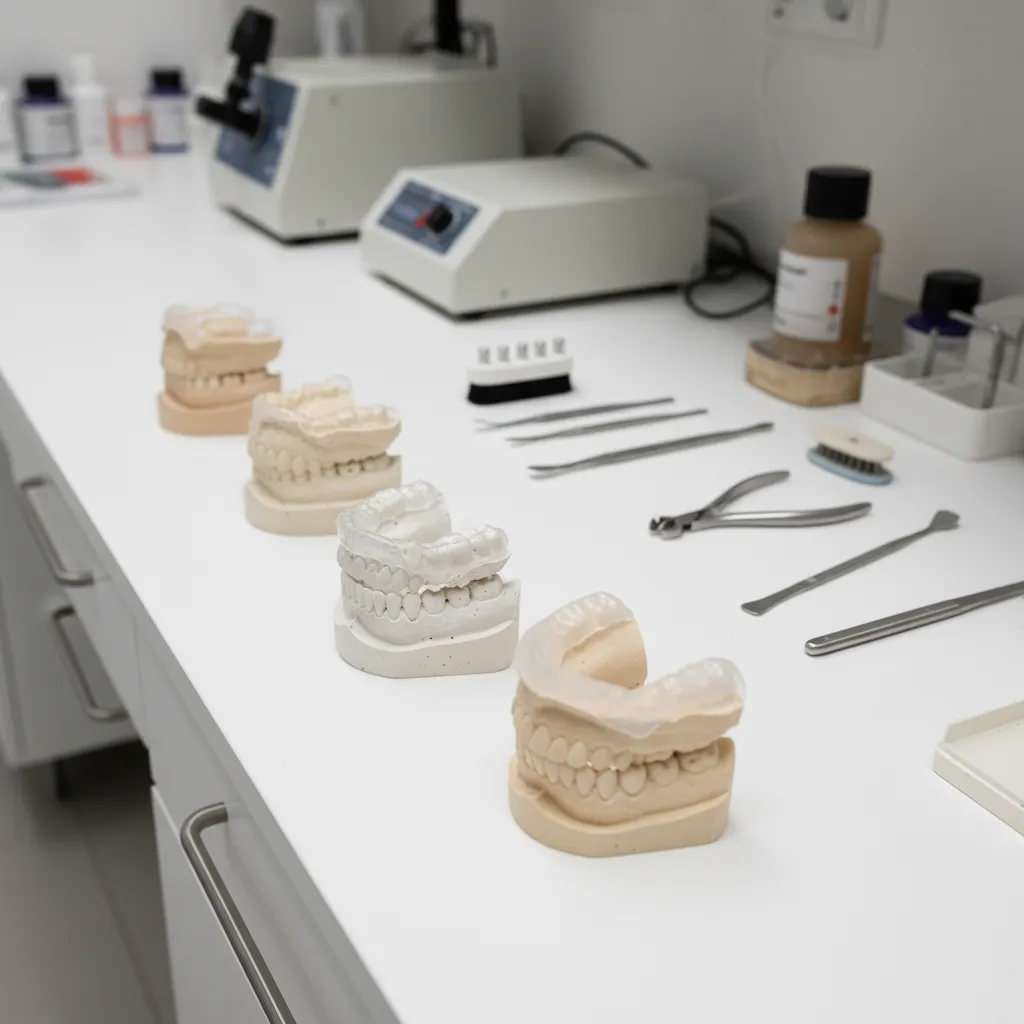
Different occlusal splint materials, including PMMA and nylon, influence flexibility, fracture resistance and adjustment time.
| Material | Key features | Best suited to | Clinical considerations |
|---|---|---|---|
| Heat cured or CAD/CAM PMMA | Rigid, stable, easy to adjust and polish | Most stabilisation splints, restorative protection | Good wear characteristics; thickness control with digital design |
| Dual laminate (hard/soft) | Soft intaglio with hard occlusal surface | Patients needing gentle adaptation, mild TMD symptoms | Inner layer can creep over time; plan for periodic review |
| Nylon (polyamide) | Flexible, fracture resistant, metal free | High bruxers, allergy concerns, undercut engagement | Refining contacts is more technique sensitive; polishing differs from PMMA |
Hard acrylic and CAD/CAM PMMA
Traditional heat‑cured acrylic and modern milled PMMA remain the first choice for most full arch stabilisation splints. With a digital workflow, a milled PMMA splint gives consistent thickness (often 2 to 3 mm occlusal thickness posteriorly), predictable fit and a smooth, polishable surface that marks well under articulating paper.
PMMA’s rigidity lets you refine occlusion precisely, maintain flat planes over time and remake from the same design file if the appliance is lost or damaged.
Dual laminate appliances
Dual laminate designs combine a soft inner layer with a hard outer shell. Patients who recoil at the thought of a hard splint often manage these more comfortably in the early weeks. The trade off is potential deformation of the soft liner, particularly in heavy bruxers, which shifts contacts and calls for more frequent adjustments.
When you request a dual laminate from a lab, be clear about:
- Target thickness of the hard outer layer.
- Whether you prefer a staged transition to a fully hard splint later.
- Review intervals you intend to set with the patient.
Nylon occlusal splint: where it fits
A nylon occlusal splint can be extremely tough, flexible and kind to undercuts. These properties help in cases where PMMA appliances fracture repeatedly, or where you want a metal free solution that still engages natural or prosthetic undercuts for retention.
Points to keep in mind:
- Nylon’s flexibility means localised adjustment behaves differently; heat and polishing protocols differ from PMMA.
- Fine‑tuning guidance surfaces takes more time, so clear initial records and articulation matter even more.
- Patients often love the comfort and thinner feel, especially when splints are designed digitally and milled with accurate thickness control.
At NovaDent Labs, nylon and PMMA options can be planned within the same digital design workflow, so you can choose based on risk profile, wear patterns and patient preference rather than lab limitations.
Design principles for predictable splint therapy
“Most ‘problem splints’ were not let down by the material, but by the occlusion and the records.”
Occlusal scheme: contacts and guidance
For a maxillary stabilisation splint, many clinicians work toward:
- Full arch coverage to protect teeth and minimise unwanted tooth movement.
- Even bilateral contacts on all posterior teeth in centric relation.
- Definite anterior stops to help neuromuscular deprogramming.
- Canine guidance or light group function in excursions, with posterior disclusion.
Intraorally, shimstock and fine, different coloured articulating papers let you separate static from excursive contacts. Consistency between what you see and what the lab model shows depends heavily on the accuracy of your CR record and how the case is mounted or articulated.
Vertical dimension and plane
Most splints need only modest increases to vertical dimension. Many clinicians work within a 2 to 4 mm increase at the incisors, though individual joint status and existing restorative plans guide the final decision. In the lab, a flat, slightly convex occlusal plane simplifies both articulation and later adjustments.
Retention, extension and comfort
Key practical points:
- Engage height of contour on multiple teeth rather than relying on one or two “hero” undercuts.
- Use smooth embrasure design or discreet clasps where necessary, especially on short clinical crowns.
- Keep borders rounded, polished and respectful of frena; a single sharp edge can undo an otherwise excellent design.
In the prescription, a brief note such as “patient has history of gagging; keep palatal extension conservative” helps your lab strike the right balance between retention and comfort.
Clinical workflow: from records to delivery
A repeatable workflow keeps splint appointments shorter and more predictable for the whole team.
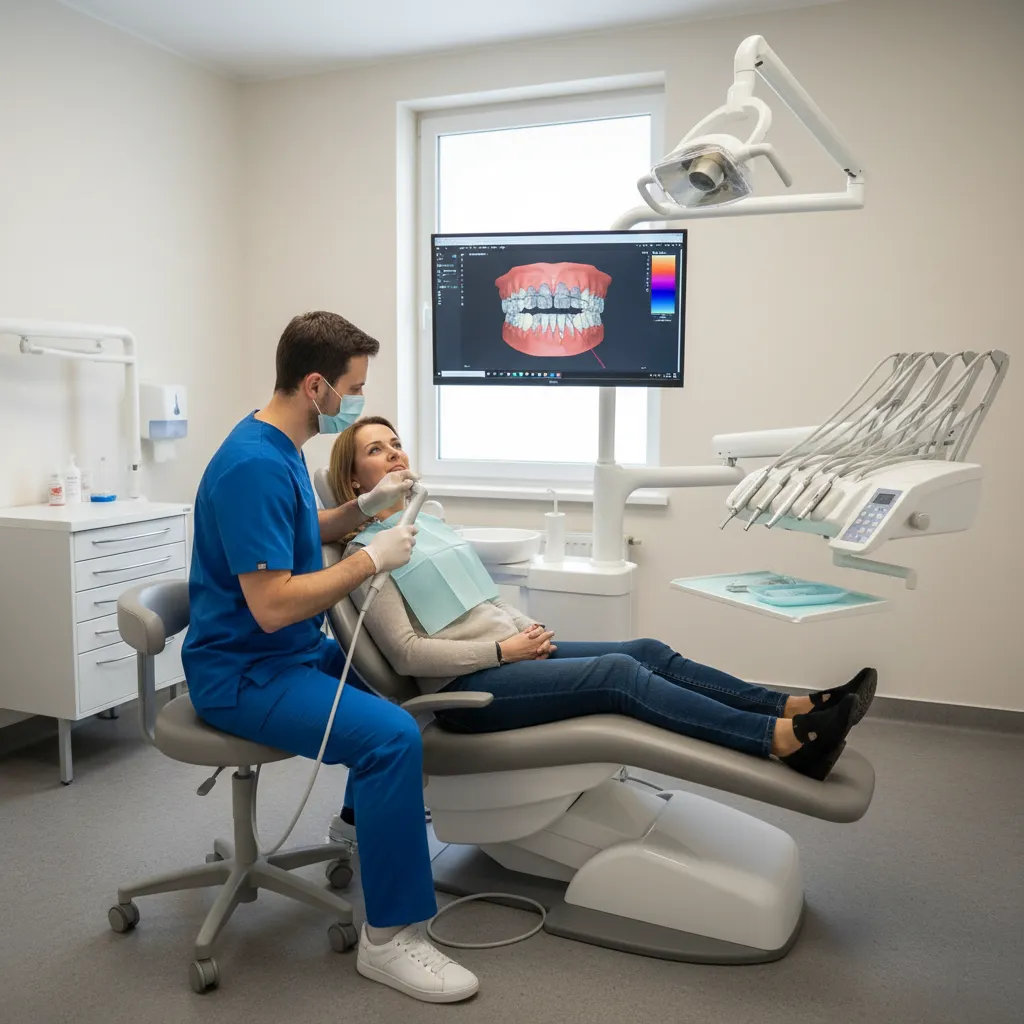
Digital records and clear prescriptions support precise occlusal splint design and reduce adjustment time.
1. Records and diagnosis
- Full history focused on parafunction, pain patterns and sleep history.
- Clinical exam of muscles, joints, occlusion and existing restorations.
- Digital or conventional impressions; intraoral scans integrate cleanly with CAD/CAM design.
- CR or therapeutic position record (leaf gauge, bimanual manipulation, Lucia jig, etc.).
2. Clear lab prescription
A concise but specific prescription dramatically reduces remakes and long adjustment visits. Include:
- Arch (usually maxillary), material preference and any allergies.
- Type of splint (stabilisation, anterior repositioning, dual laminate, nylon).
- Desired occlusal scheme: even contacts in CR, canine guidance, group function, planned anterior platform, and so on.
- Special notes: implants, mobile teeth, recent restorations, planned rehabilitative work.
If you work with NovaDent, you can also share relevant radiographs or photos through our secure portal, and our team can provide suggestions on material and design before fabrication.
3. Try in, delivery and patient instructions
At fit:
- Check seating with pressure indicator paste or disclosing medium.
- Verify retention and border extensions before refining occlusion.
- Adjust centric contacts first, then excursions; re-polish all adjusted surfaces.
Give patients simple, written instructions on insertion, removal, cleaning and storage. Reinforce that initial awareness or mild muscle response is common and should be reviewed if it persists or worsens. A two week review is a practical baseline, with earlier review if symptoms are significant.
For further reading on splint therapy evidence, clinicians often refer to systematic reviews and clinical trials indexed through NCBI, combined with their preferred occlusion and TMD education resources.
Common problems and chairside solutions
“The splint hurts more than it helps.”
New muscular symptoms or joint tenderness after wearing a splint usually point to issues with occlusal contacts, vertical dimension or mandibular positioning. Re‑check centric contacts and guidance, confirm that the jaw is seated where you intended, and consider remounting if symptoms persist despite careful adjustment.
“The splint keeps fracturing or wearing through.”
Repeated fractures can flag extreme parafunction, thin design or localised stress points. In these cases:
- Review occlusion to see if forces are concentrated on a small area.
- Consider a thicker design or material change (for example, from standard PMMA to a more fracture resistant nylon option).
- Discuss broader treatment planning, including restorative or orthodontic considerations, if underlying occlusal issues are severe.
“The splint feels loose.”
Loss of retention often comes from short clinical crowns, underextended borders or changes in tooth position. Simple relines rarely give long term satisfaction. Instead, consider a new splint with more strategic undercut engagement or a different material, and let your lab know exactly how retention failed.
“The patient stopped wearing it.”
Non use is extremely common and usually reflects comfort, bulk or unclear expectations rather than lack of motivation. Short, realistic conversations at delivery about what the patient should feel, how long adaptation can take and how to reach you if discomfort spikes can transform compliance. A lighter, well polished splint with fewer sharp transitions will also earn more wear time.
Working with a digital lab on splint cases
A lab that understands both occlusion and digital workflows becomes a genuine clinical partner, not just a manufacturer. At NovaDent Labs in Sydney, our team works daily with intraoral scan files and conventional impressions to design splints that suit each practice’s philosophy and patients.
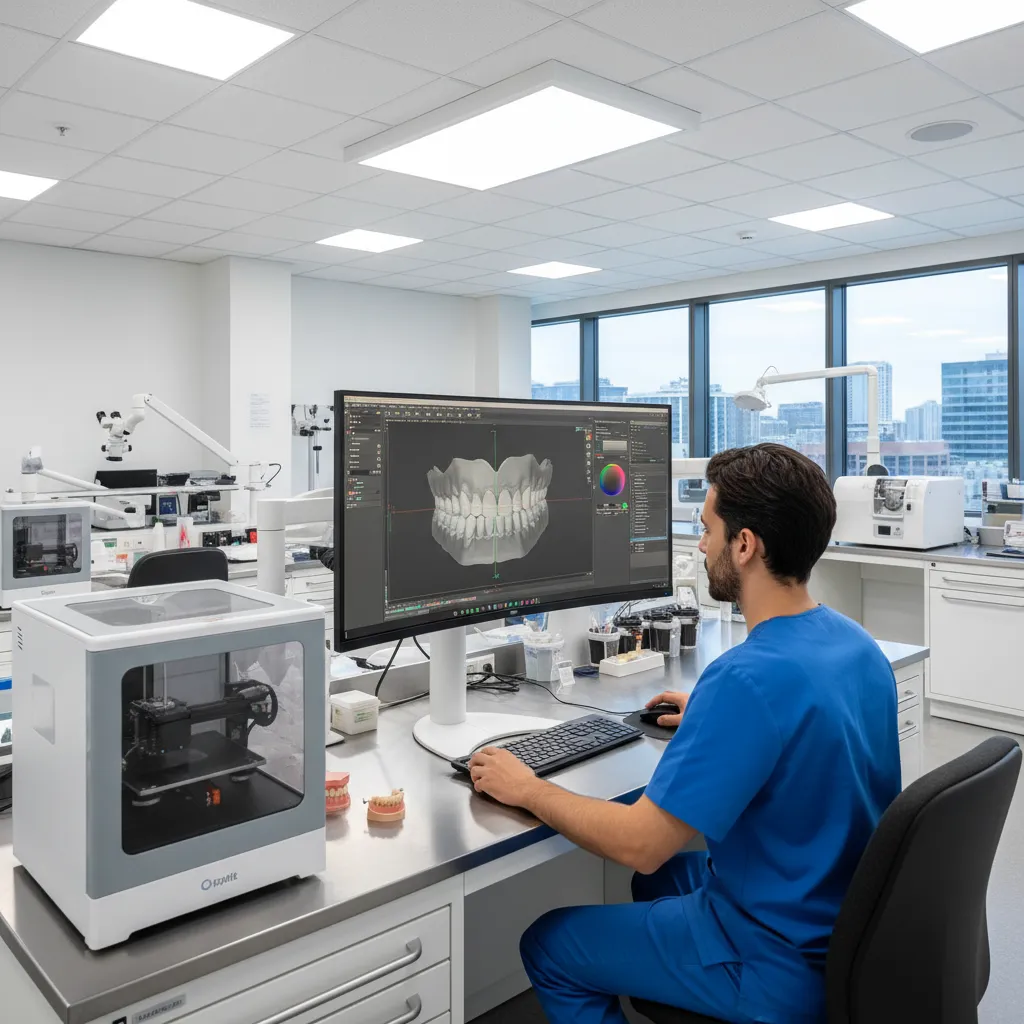
Digital lab workflows allow occlusal splint designs to be standardised, stored and easily remade when needed.
With a digital approach you can:
- Standardise your preferred splint design and have it applied consistently across cases.
- Store design files, making remakes or modifications straightforward if appliances are lost.
- Combine splint planning with other work, such as crown and bridge or implant restorations, using the same digital records.
If you’d like to review material options, turnaround times or pricing for your practice, you can request our current price list and speak with the NovaDent team about how splint therapy fits within your wider restorative strategy.
FAQ
How long should patients wear a splint each day?
Most stabilisation splints are prescribed for night time wear, though some patients benefit from short periods of daytime use during high stress periods. The exact regimen depends on diagnosis and is best tailored to each patient’s symptoms and response.
How often should you review splint patients?
A common pattern is reviewed at two weeks, then at three months, then annually if symptoms and wear patterns remain stable. Patients with active TMD or rapid occlusal changes may need more frequent review.
How long does a splint last?
A well made PMMA or nylon splint can last several years, though heavy bruxers, smokers and patients with dry mouth often show faster wear. Any change in symptoms, occlusion or appliance integrity is a reason to reassess rather than simply polishing and sending them away.
Can you use splints with extensive restorative or implant work?
Yes, many restorative dentists view splints as standard long term protection for complex prosthodontic or implant rehabilitations. Clear communication with your lab about implants, abutments and occlusal scheme is essential. For complex cases, a quick planning call with the lab technician or prosthodontist involved can save a great deal of re‑work later.
Related Posts
You may also be interested in

How to Find a Premium Dental Lab

Dental Implant Care: The Tooth May Be Artificial, But the Care Is Real
TMJ Splint vs Night Guard: What’s the Difference?

NovaDent Has Arrived.
Previously VTS Dental Labs.
Same team
Same standards
New identity
Visit our new website