%2520(1).jpeg)
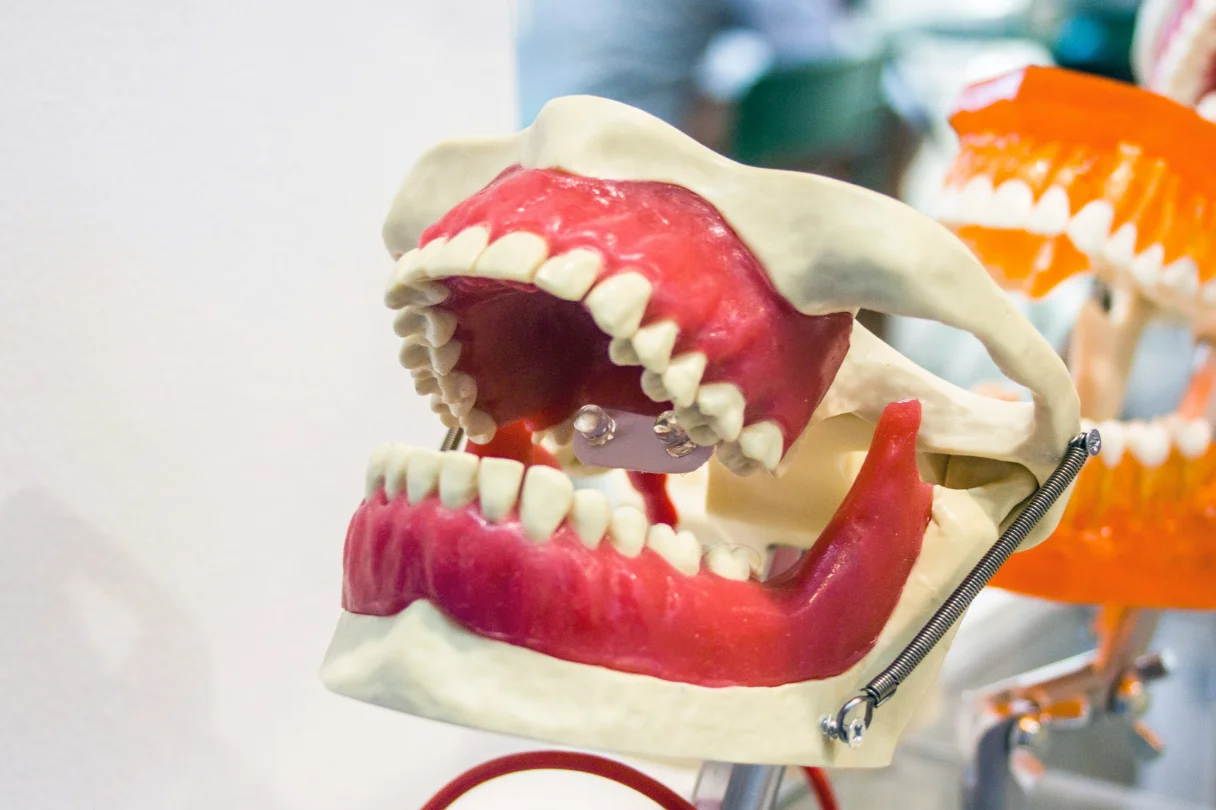
For many denture wearers, the dream is simple: dentures you can wear all the time so you never feel “toothless” in front of others. Clinicians hear this request weekly from people who feel self conscious or worry they can’t cope without their prosthesis. Some designs tolerate long waking hour wear well; others become problematic when patients leave them in around the clock, especially overnight. This guide outlines which denture types suit extended wear, when constant use becomes risky, and how a modern digital lab can support oral tissues while respecting patients’ psychological needs.
TL;DR:
- Daytime wear: Well fitting dentures are designed to be worn throughout waking hours.
- Overnight wear: Most evidence based guidelines recommend removing dentures at night so soft tissues can rest and the prosthesis can be cleaned properly.
- Risks of 24/7 wear: Higher rates of denture stomatitis, fungal infection, sore spots, faster bone resorption, and even increased pneumonia risk in frail elders, especially when dentures are worn overnight.
- Best “long wear” options: Stable full dentures, high quality cobalt chrome partials, and especially implant retained overdentures.
- Bottom line: Aim for comfortable all day wear, but encourage patients to remove dentures for at least several hours every 24 hour period usually overnight unless you’ve given short term instructions to the contrary.
If you wear dentures yourself: aim to wear them comfortably through the day, then take them out at night for cleaning and to let your gums rest. If you often sleep in your dentures because of embarrassment or discomfort, speak with your dentist about safer long term options such as overdentures or fixed implant bridges.
What people mean by “dentures you can wear all the time”
Patients don’t always mean the same thing when they ask for “dentures to wear all the time.” Some want all day wear to work, eat, and socialise confidently. Others literally mean 24/7 wear including sleeping, napping, and even showering with the prosthesis in.
In the surgery, clarify with questions such as “All day, or through the night as well?”, “What worries you most about taking them out?”, and “Have you had sore spots or infections?”. Answers usually reveal a mix of functional needs (severe ridge resorption, poor lip support) and emotional drivers (fear of being seen without teeth, previous trauma). That context matters for design, material choice and setting safe limits on continuous wear.
Types of dentures suited to extended wear
Not all prostheses handle long hours in the mouth in the same way. Here’s how the main categories stack up when patients ask about dentures that feel secure “all the time.” For a broader overview of designs, materials and workflows, see our denture types guide.
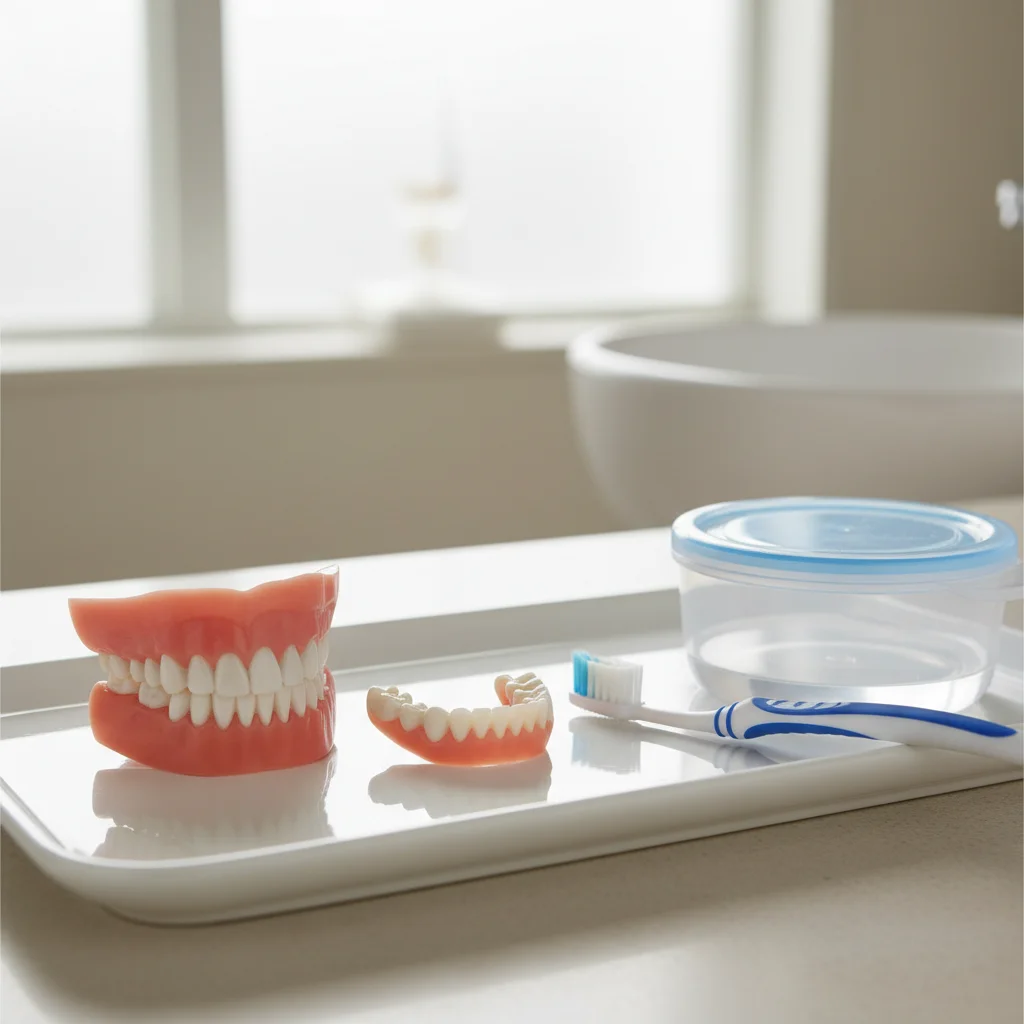
Conventional full dentures
Well made maxillary and mandibular full dentures with accurate border moulding and occlusion can usually be worn comfortably all day. Digital workflows and CAD/CAM milling reduce pressure points and improve base adaptation, so patients often report fewer sore spots during extended wear. Even with an ideal fit, overnight removal is recommended to reduce stomatitis and let saliva reach palatal tissues as outlined in ADA denture care guidance.
Implant supported overdentures
For patients chasing “rock solid” dentures to wear all the time, implant retained overdentures are usually the most stable removable option. Locator style attachments or bar retained designs reduce movement, improve chewing efficiency and help preserve alveolar bone compared with conventional full dentures; long term trials report higher satisfaction for two implant mandibular overdentures.
That stability lowers friction on the mucosa during long wear, and many patients report they “forget they’re in” during the day. For a bigger picture comparison of removable dentures, overdentures and fixed bridges, see our removable vs fixed guide.
Partial dentures: cobalt chrome vs flexible
Cobalt chrome partial dentures remain the workhorse for long term, all day wear. A well designed metal framework distributes functional load efficiently, minimises tissue coverage, and typically outlasts acrylic bases ideal for patients who wear their partial from breakfast to bedtime.
Flexible partials can feel comfortable and often “disappear” in the mouth, which appeals to appearance conscious patients. They can, however, be harder to adjust and polish and tend to pick up stains and biofilm if patients are not meticulous with cleaning, so they suit motivated, hygiene compliant wearers best.
Immediate and transitional dentures
Immediately after extractions, you may instruct patients to wear immediate dentures day and night for the first 24–48 hours to protect sockets and control bleeding. After that initial phase, instructions usually shift back toward removing the denture at night, with relines and adjustments as the ridge remodels.
If you’re weighing up whether to reline or remake a well loved prosthesis after healing, our wash impression guide walks through when a functional reline can safely extend a denture’s life versus when a full remake is indicated. Immediate dentures might be worn “around the clock” for a short, specific window but they were never intended as true 24/7 appliances long term.
Is it bad to wear dentures all the time?
From major guidelines and the literature, the answer is “usually yes” once patients move from long daytime wear into routinely sleeping in their dentures (see the American College of Prosthodontists’ denture care guideline and the ADA’s denture topic page).
Key risks of round the clock wear
Continuous wear keeps mucosa covered, traps plaque and Candida, blocks saliva and is a major risk factor for denture stomatitis; reviews suggest that roughly 20–60% of denture wearers develop palatal inflammation, with night time wear, poor hygiene, denture age and xerostomia all contributing. Constant pressure on the residual ridge also accelerates resorption, particularly in the mandible, so patients who keep their dentures in to feel secure may actually speed up the loss of support that makes those dentures feel loose. When dentures are rarely removed for thorough brushing and soaking, biofilm and fungal load build quickly; cohort studies link sleeping in dentures especially in frail older adults with higher rates of pneumonia and other respiratory infections, probably via aspiration of contaminated secretions, and partial denture wearers also face increased caries and periodontitis risk around abutment teeth.

Case vignette: the hidden cost of 24/7 wear
“Mrs L”, a 79 year old in residential care, had worn the same maxillary complete denture continuously for years and presented with halitosis, poor appetite, palatal erythema with papillary hyperplasia, heavy denture plaque and two recent hospitalisations for aspiration pneumonia. Management included antifungal therapy, tissue conditioning, enforced overnight removal with a strict cleaning routine, and replacement with a new maxillary denture once tissues healed. With nursing support she adapted to a nightly “out of mouth” period, her palatal inflammation and breath odour resolved, and she reported greater comfort and confidence despite now sleeping without the denture.
Comfort tips for patients who rely on dentures most of the day
Many patients still need long wear times shift workers, carers, people in shared housing who dislike being seen without their teeth. For them, success comes down to fit, hygiene and predictable routines.
3‑Pillars of Long Wear Denture Success
- Precise fit and occlusion – stable bases with even contacts and minimal rocking or tipping under function.
- Tissue friendly hygiene – daily mechanical and chemical cleaning, plus regular time out of the mouth to restore mucosal health.
- Planned review and maintenance – scheduled recalls, adjustments, relines and remakes before problems become crises.
- Build a nightly “out of mouth” and cleaning ritual. Aim for at least four to six hours without the denture while the patient brushes it with a non abrasive cleanser, soaks it in an appropriate solution, and gently cleans tongue and mucosa; this pattern is explicitly recommended in several denture care and pneumonia prevention guides.
- Use adhesives thoughtfully. Small amounts can boost confidence for long workdays, but excess adhesive left overnight promotes plaque and Candida buildup.
- Lock in regular reviews. Six‑ or twelve monthly checks let you pick up early signs of stomatitis, hyperplasia or occlusal wear and arrange a reline or remake before function deteriorates.
- Address the emotional side. Many patients would rather sleep in their dentures than let a partner see them without teeth; a discreet storage container and clear reassurance are often enough to change that habit.
Long term solutions for “24/7” denture patients
If someone insists that they “cannot be without teeth, not even at night,” it’s a sign to discuss longer term options rather than simply polishing the same acrylic plate every year.
- Implant retained overdentures. Often provide enough stability that patients feel comfortable taking them out at night.
- Upgrade old acrylic partials to cobalt chrome. Improves comfort, reduces bulk and can feel less “claustrophobic”.
- Digital dentures. Offer better base adaptation and repeatability; if a prosthesis fractures, you can remake it from stored design files rather than starting from scratch.
- Tissue conditioning and phased relines. Rehabilitate abused mucosa and ridges before committing to a definitive remake.
For many patients, simply knowing there is a clear pathway from interim immediate denture to definitive digital denture, overdenture or even fixed full‑arch implants reduces the urge to cling to a compromised plate 24/7; if you are considering fixed options such as All on 4, you can also refer patients to our All on 4 guide for an overview in plain language.
How digital denture design helps (for clinicians)
From the lab side, long hour wear is easier to support when the prosthesis is digitally planned and manufactured. At NovaDent Labs in Sydney we work with dentists across Australia using scan to fit workflows; the for dentists hub outlines our intraoral scanner and case planning options.
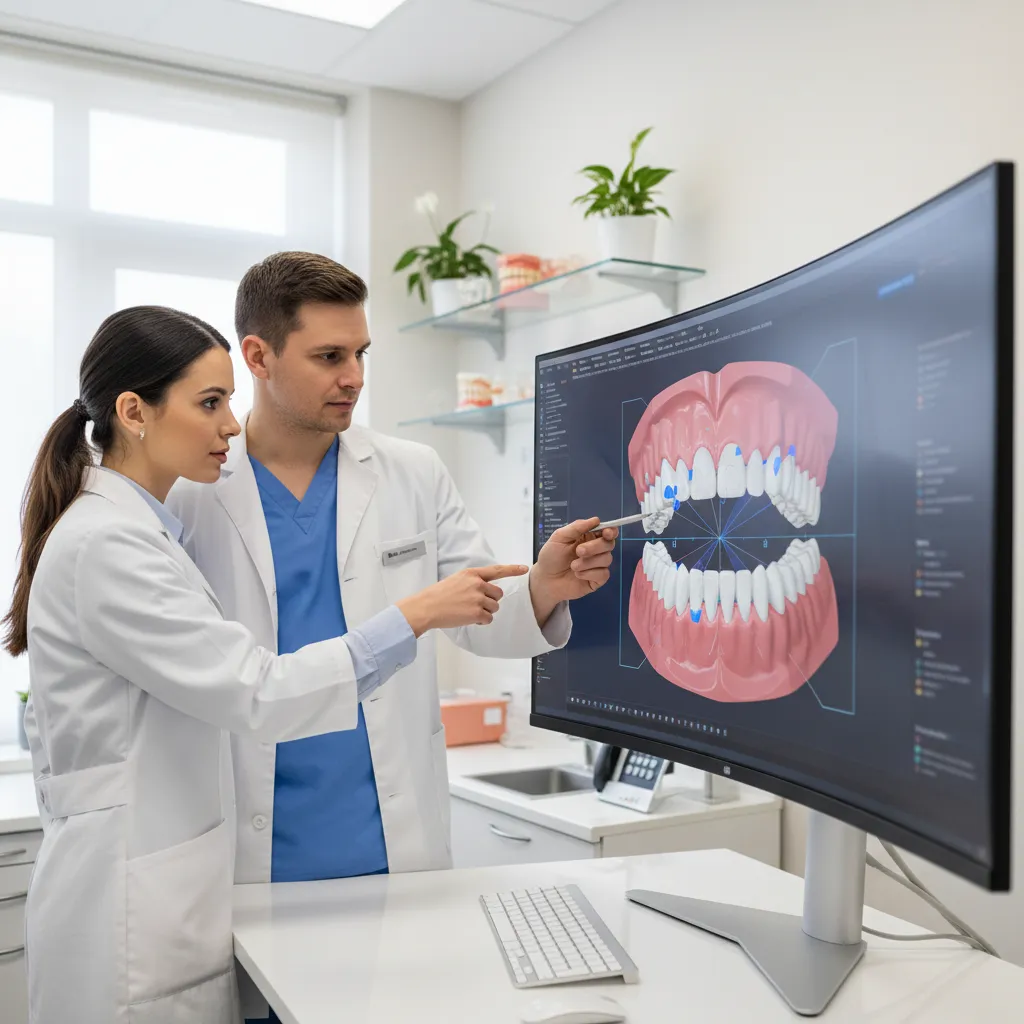
Digital denture workflows help clinicians provide more predictable, tissue friendly prostheses for long hour wearers.
- Digital impressions and CAD design for full dentures, partials and overdentures.
- Smoother bases and more predictable occlusion to better tolerate heavy daily wear.
- Easy duplicates from the same file so high dependence patients always have a spare.
- Overdenture case planning including bar design, attachment selection and prosthetic space.
If you treat patients who push for dentures they can wear “all the time”, partnering with a digital first lab makes treatment plans more predictable and reviews more efficient. Explore our dentures and removable prosthetics and price list to see how these options fit into your practice..
FAQs
Can patients sleep in their dentures?
In most cases, dentures should be removed during sleep or for several hours every 24 hours to protect the mucosa, reduce odour and lower infection and pneumonia risk in older adults. A short term exception is the immediate post extraction period when the treating dentist has specifically recommended overnight wear for healing.
Are any dentures truly designed for 24/7 wear?
No removable denture is intended for continuous 24/7 wear. Even highly retentive implant overdentures need regular time out of the mouth for cleaning and tissue rest, so if a patient feels they must never be without teeth, clinicians should usually discuss implants, overdentures or other restorative pathways instead.
How should dentists answer “Is it bad to wear dentures all the time?”
A practical explanation is that dentures are designed for all day, not all night wear. Wearing them continuously increases rates of stomatitis, sore spots and bone loss, so patients should aim for confident daytime wear but remove them regularly for cleaning and tissue rest.
How often should full dentures be replaced for heavy wearers?
Removable dentures should be reviewed regularly and replaced when fit, function or hygiene can no longer be restored with adjustments and relines. For patients who rely on their dentures throughout most waking hours, replacement is often needed sooner than the classic seven to ten year rule of thumb.
Where can I learn more?
Patients can review denture care information from organisations such as the American Dental Association and the Oral Health Foundation.
Related Posts
You may also be interested in
.png)
How to Find a Premium Dental Lab

Dental Implant Care: The Tooth May Be Artificial, But the Care Is Real
TMJ Splint vs Night Guard: What’s the Difference?

NovaDent Has Arrived.
Previously VTS Dental Labs.
Same team
Same standards
New identity
Visit our new website