%2520(1).jpeg)
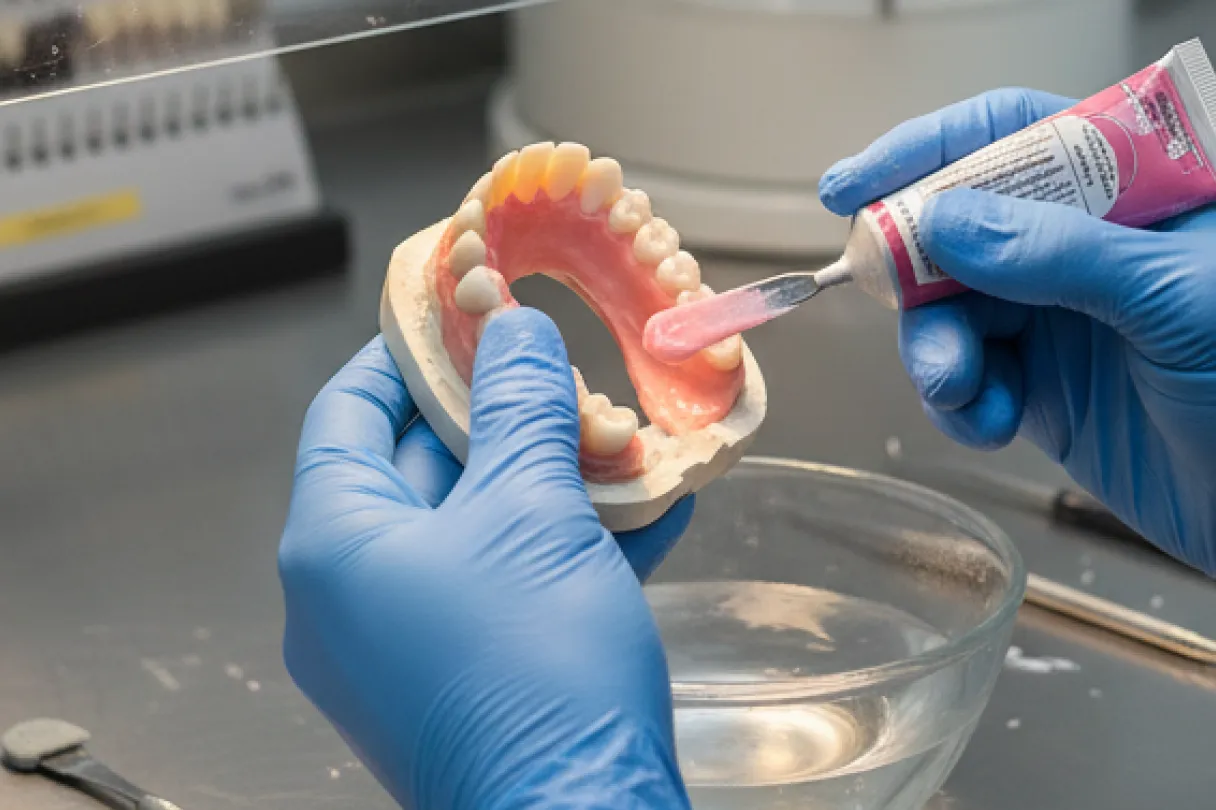
If you work with removable prosthetics, you know the scene: a long term denture wearer walks in saying, “My plate just doesn’t feel right anymore. It used to fit perfectly.” Bone resorption, soft tissue changes, weight loss, and medical conditions can all shift the fit of an otherwise well made prosthesis. Instead of jumping straight to a brand new denture, one of the most efficient ways to restore comfort is a denture reline that resurfaces the fitting side of the existing appliance so it hugs the tissue again. This guide explains what relining involves, how the laboratory and chairside workflow runs, when to reline instead of remake, and typical Australian fee ranges, so you can set expectations clearly and plan predictable treatment.
TL;DR
- A reline replaces the fitting surface of an existing denture so it adapts closely to the current ridge.
- Relines can be hard, soft, or temporary/therapeutic, depending on tissue health and patient factors.
- For most patients, relining every few years keeps a stable fit and extends denture lifespan, in line with Australian reline guidance from Denture Hub.
- Private Australian clinics typically charge in the mid‑hundreds of dollars per arch for a reline, with fees influenced by materials, location, and chairside time, as illustrated by fee examples from Northern Rivers Denture Clinic.
- Working closely with a high‑quality lab streamlines the process and limits remakes or repeat chairtime.
What is a denture reline?
Simple definition you can share with patients
In plain terms, to reline a denture is to resurface the tissue facing side with new material that matches how the gums and ridge look today. The teeth, occlusal scheme, and external appearance stay largely the same; what changes is the intaglio surface that sits on the mucosa.
Clinically, a reline is a prosthodontic procedure that:
- Improves adaptation of the denture base to the current alveolar ridge
- Restores stability and retention where reasonable ridge form still exists
- Redistributes functional forces across a better fitting surface
- Can extend the service life of a well made prosthesis
Why dentures stop fitting over time
Even the best dentures are living on borrowed time from day one. Following extractions, bone resorption and soft tissue remodeling continue for years. Add in factors like systemic disease, weight change, or parafunction, and the intaglio surface that was accurate at insertion no longer mirrors the underlying anatomy.
As a result, patients experience:
- Loss of suction and retention
- Sore spots, ulcers, and hyperplastic tissue
- Food trapping under the base
- Loss of confidence with speech and chewing
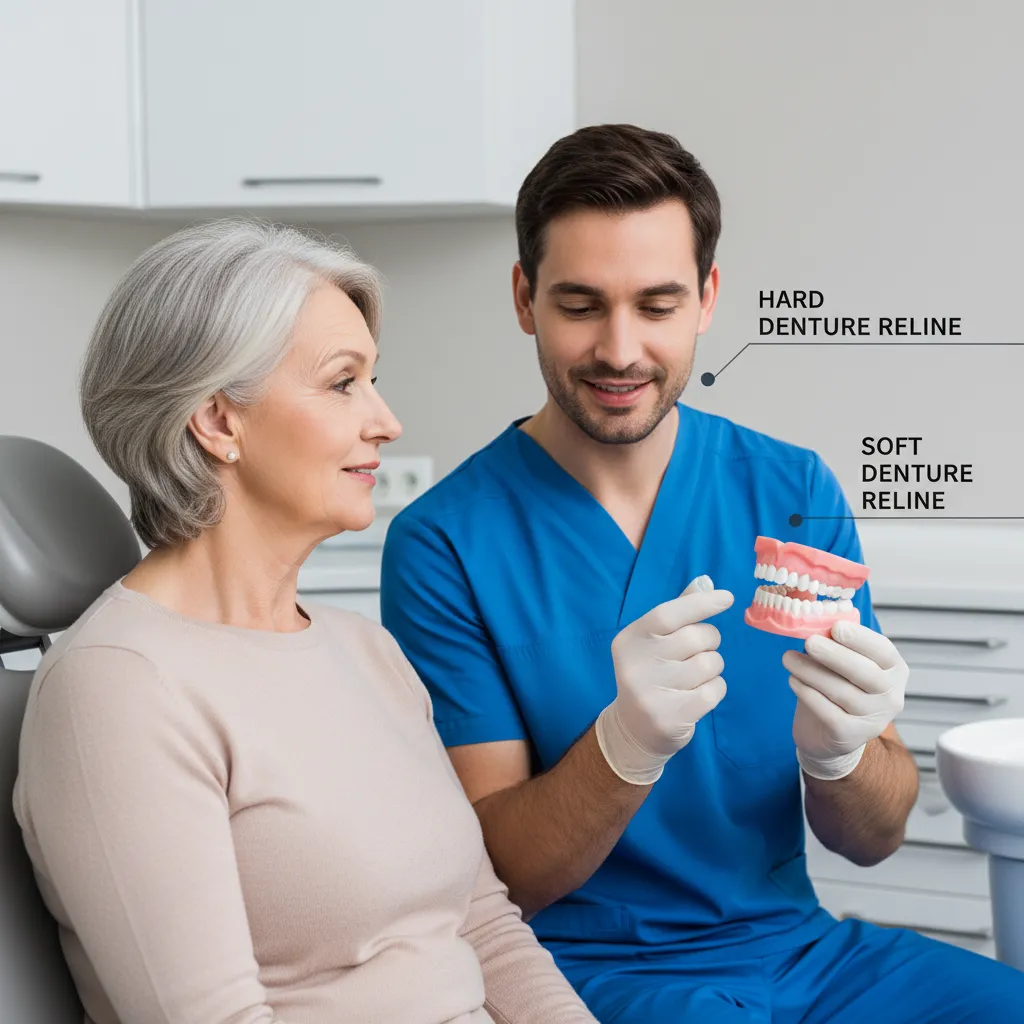
Relining lets you re‑establish intimate contact between the denture base and tissue without discarding an otherwise satisfactory prosthesis.
Types of denture relines
Hard reline
A hard reline replaces the fitting surface with processed acrylic, typically polymethyl methacrylate (PMMA). It is the workhorse option when tissues are relatively healthy and you want a durable, long lasting result with good load distribution.
- Best for: stable ridges, long‑term prostheses, posterior support
- Material: processed heat cured acrylic bonded to the existing base
- Longevity: usually several years before another intervention is needed, consistent with clinical advice on relines from Denture Hub.
Soft reline
Soft relines use resilient liners silicone based or plasticised acrylic to create a cushioning layer between denture base and mucosa. These are popular for resorbed ridges, thin mucosa, or patients who cannot tolerate a fully rigid base.
- Best for: atrophic ridges, post‑surgical or irradiated tissues, chronic soreness
- Material: resilient liner bonded to the acrylic base
- Longevity: many Australian clinics advise one to three years before a new soft reline or conversion to a hard reline, as outlined by All Smiles Denture Clinic.
Temporary or therapeutic reline
A temporary reline uses tissue conditioning material to stabilise a denture while inflamed or overextended tissue heals. It is commonly used with immediate dentures or after multiple adjustments have left the fit compromised.
- Best for: short term tissue conditioning, immediate denture transitions
- Material: softer conditioners that are replaced frequently
- Longevity: weeks to a few months, then reassessment for a definitive reline or remake
For dentists, having a clear protocol for when to prescribe hard, soft, or temporary relines and communicating this clearly to your lab keeps outcomes predictable. If you’d like to standardise your removable protocols, NovaDent’s removable prosthetics service can help you set that up across your practice group.
How a lab based denture reline works
Chairside steps before you send the case
In many cases you’ll complete an impression in the existing denture and send this to the lab rather than taking a separate tray impression. A typical workflow looks like this:
- Assess fit, occlusion, vertical dimension, and tooth wear; decide if a reline is appropriate.
- Adjust overextensions and sharp flanges on the current base.
- Border mould if required using a functional impression material.
- Take a wash impression inside the denture, capturing the current ridge form.
- Record bite if there has been significant change to vertical dimension or occlusal contacts.
- Send the denture, impression, bite records, shade, and clear instructions to the lab.
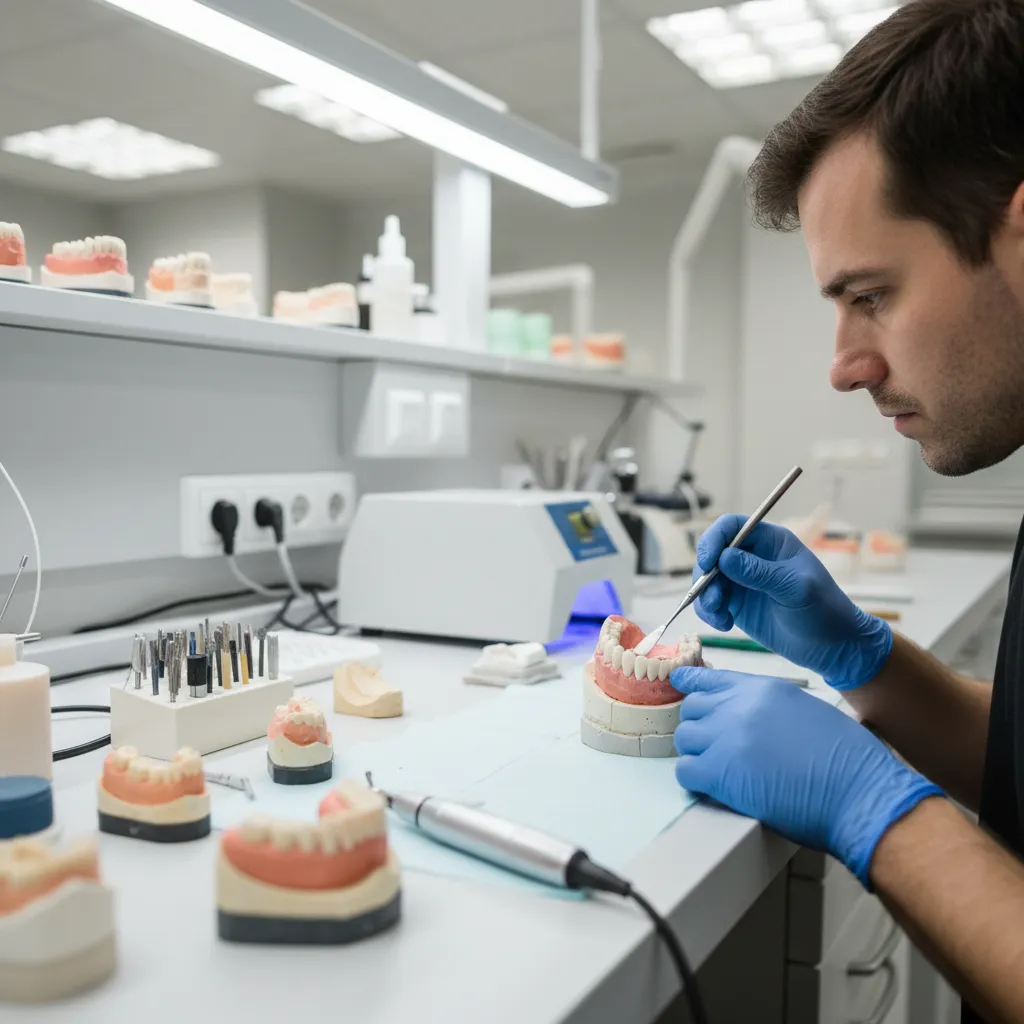
In the lab, technicians resurface the fitting side of the denture so it matches the patient’s current ridge and tissues.
Many clinicians tuck a short note in with the case (“Patient very sore lingually, thin mucosa, prefers softer feel”) to give the technician useful context. That kind of detail helps the lab choose between hard and soft options.
What happens at the dental lab
In the lab, the team will:
- Pour the impression to create an updated master cast.
- Remove a controlled thickness of the old intaglio surface.
- Process new acrylic or liner directly onto the existing base.
- Finish, polish, and check the reline for porosity and defects.
- Verify occlusion on an articulator if a bite was supplied.
At NovaDent, hard and soft relines slot naturally into our digital first workflow alongside new full and partial dentures, which means clear turnaround expectations and consistent fit for your patients.
Turnaround times
Many labs can complete a reline in one working day for local surgeries, or within several days when postage or courier is required. At NovaDent, relines usually sit inside our standard 5–9 business day window alongside other removable work, with rush options by prior arrangement. For chairside efficiency, align your appointment scheduling with your lab’s pickup and delivery pattern.
When to reline a denture vs remake it
Good candidates for a reline
Relining makes the most sense when:
- Tooth position and aesthetics are still acceptable to the patient.
- Vertical dimension is broadly correct, with minor refinements only.
- The acrylic base is sound, without significant crazing or fractures.
- There is enough ridge anatomy left to generate stability.
- Budget, time, or medical issues mean a new denture is not ideal right now.
When a remake is the better option
On the other hand, a remake usually serves the patient better if:
- The denture is several generations old with multiple repairs and chairside reline layers.
- Teeth are worn, chipped, or aesthetically outdated.
- There has been major skeletal or occlusal change (e.g., long standing class III shift).
- There are repeated fractures in the same area, suggesting fundamental design issues.
- The patient is ready to upgrade to implant retained overdentures.
The FITT Denture Reline Framework
To simplify chairside decisions, you can run each case through the FITT Denture Reline Framework:
- Fit – Does the denture still seat in a reasonably stable position without major rocking?
- Integrity – Is the base structurally sound, with no significant cracks, repairs, or crazing?
- Tooth aesthetics – Are shade, shape, and wear levels still acceptable to the patient?
- Tissue support – Is there enough ridge form and healthy mucosa to support an improved fit after relining?
If a case passes all four checks, a reline is usually a predictable choice. If it fails in several areas, planning a remake or new prosthetic design is often wiser.
“Relines keep a good denture going. They rarely rescue a fundamentally bad one.”
If you’re unsure which way to go, sending photos, a short case summary, and the existing dentures to your lab for a quick opinion can save a lot of backwards and forwards. Our technicians at NovaDent provide that kind of informal case support every day for clinicians across Australia.
How much should a denture reline cost?
What patients in Australia typically pay
Public fee schedules in some states show relatively low co‑payments for relines sometimes under $100 per arch where patients qualify for public dental care, as seen in the South Australian Dental Service adult fee information. In the private setting, Australian clinics commonly list hard denture reline fees in the range of roughly $350–$600 per arch, with partials and soft liners often at the upper end of that spectrum, according to pricing examples from Northern Rivers Denture Clinic.

Clear conversations about denture reline costs help patients understand the value of maintaining a good‑fitting prosthesis.
That means a full upper and lower reline could sit somewhere in the mid hundreds to just over a thousand dollars in total, depending on whether both arches are treated and which materials are chosen.
Cost factors you can explain to patients
When patients ask, “How much should a denture reline cost?”, it helps to break the answer into simple drivers:
- Type of reline – hard vs soft, and whether a temporary reline is needed first.
- Extent of work – single arch vs both arches, partial vs full.
- Clinic location – city surgeries tend to charge more than regional practices, as reflected in Australian denture cost guides from Complete Smiles.
- Chairside time – extra adjustments, occlusal changes, or complex tissue conditioning all add time.
- Lab fees – including rush services or premium materials where requested.
For your own treatment planning, it can help to benchmark your pricing against independent cost guides and review it every year or two to reflect materials and lab costs. National denture cost comparison data from Canstar gives a helpful big‑picture view of how your fees sit in the market.
How NovaDent Labs supports predictable relines
Case planning with a lab that thinks like clinicians
NovaDent Labs grew out of clinical practice, which means our technicians are used to talking through real world challenges: minimal ridge, gag prone patients, or long distance turnaround needs. We can help you decide between hard and soft liners, suggest design tweaks, and flag when a remake is likely to deliver a better outcome for the patient.
Many of our clients standardise their denture and reline protocols with us, documenting:
- Preferred materials for different ridge and tissue presentations
- When to choose soft vs hard liners
- Baseline turnaround expectations for metro and regional surgeries
- How to handle immediate dentures and staged relines
If you’re reviewing your removable workflow, our team in Sydney can walk you through current options, including digital impressions and CAD/CAM assisted dentures that often need fewer adjustments.
Less chairside adjustment, more predictable fit
Because NovaDent is a digital first, ISO‑aligned lab, our goal is straightforward: reliable fit with minimal adjustment, whether it’s a full new case or a reline. Consistent protocols, clear impressions, and open communication all shorten chairtime and reduce remakes.
For dentists: If you’d like a current NovaDent price list for denture relines and removable work, request a price list and our team will be in touch with turnaround times and shipping options. You can also explore our broader prosthetic services for crowns, bridges, and implant restorations that complement your denture cases.
FAQs:
How often should dentures be relined?
Many denture clinics in Australia suggest a review roughly every 12 months and a reline somewhere in the 2–4 year range, depending on how quickly the patient’s ridge is changing, comfort levels, and wear patterns, as outlined in Australian reline advice from Denture Hub. Patients who have recently had extractions, major weight loss, or systemic conditions that affect bone may need attention sooner.
How long does a denture reline last?
A well done hard reline can give several years of service before the fit drifts again. Soft relines generally have a shorter life, often quoted around one to three years before a refresh is sensible because the cushioning materials gradually harden, stain, or lose resilience, as described by All Smiles Denture Clinic. Regular maintenance visits let you catch issues before they turn into sore spots or fractures.
Can you reline immediate dentures?
Yes. Immediate dentures routinely need one or more relines in the months after extractions as the ridge remodels. Many clinicians use tissue conditioners and temporary relines in the early phase, progressing to a hard reline once healing stabilises. It can help to explain this staged plan to patients up front so reline visits feel like part of the journey, not an unexpected extra.
Related Posts
You may also be interested in

Dental Implant Care: The Tooth May Be Artificial, But the Care Is Real
TMJ Splint vs Night Guard: What’s the Difference?
How to Clean a Mouth Guard Properly Without Damaging It

NovaDent Has Arrived.
Previously VTS Dental Labs.
Same team
Same standards
New identity
Visit our new website