
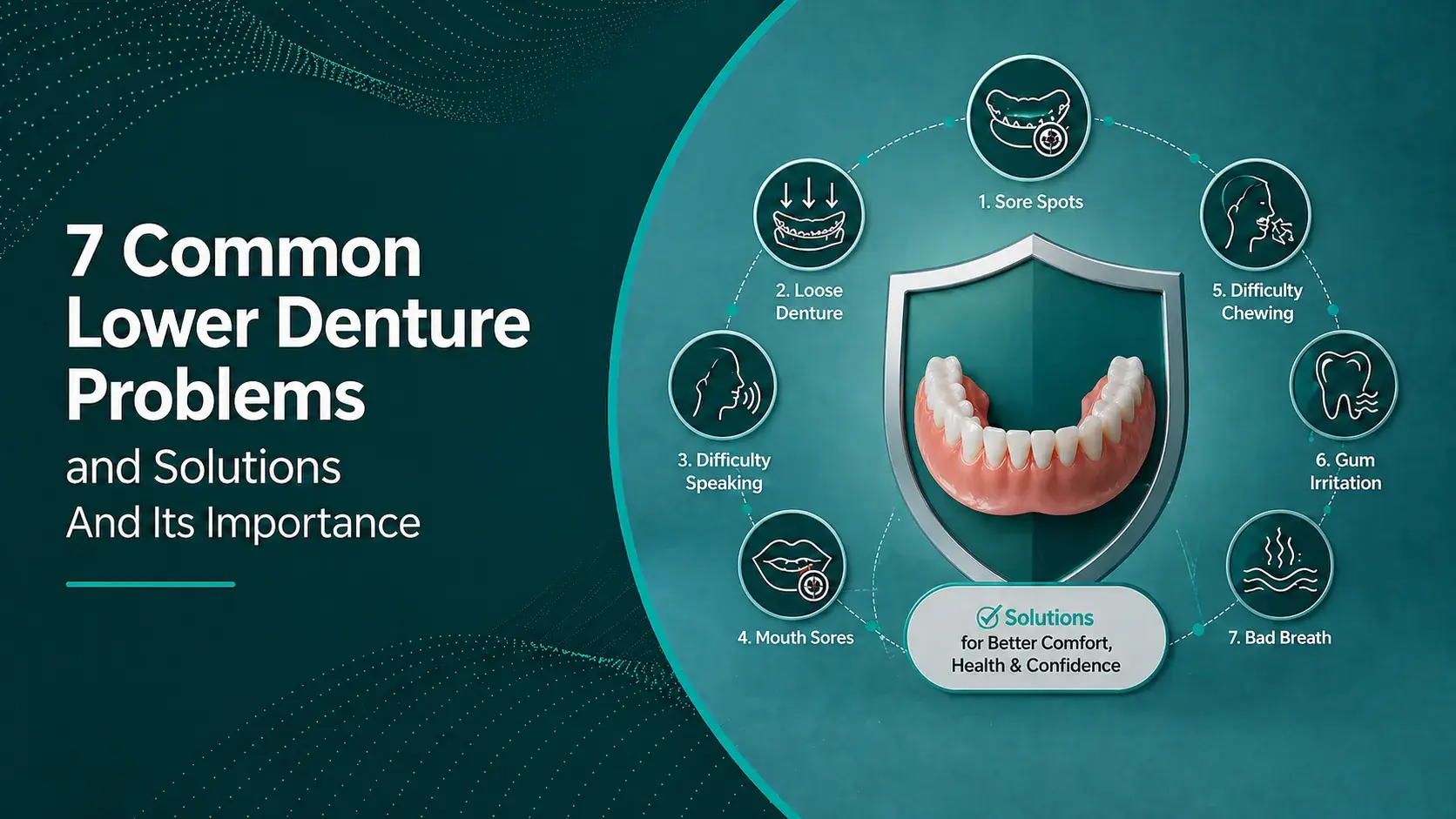
TL;DR
- Loose dentures are common as bone and gums change over time; adhesives alone rarely solve the root cause.
- Safe at home steps are limited to good hygiene, short term use of denture adhesive, and wearing the denture as directed.
- For long term comfort, dentists rely on relines, rebasing, new dentures and, where suitable, implant retained options.
- Fit has a direct impact on chewing, nutrition, speech, confidence and overall quality of life.
- Dentists who partner with a high precision lab, such as NovaDent, can cut down on chairside adjustments and remakes.
If you’re constantly reaching for denture adhesive, cutting food into tiny pieces or worrying your plate will slip mid conversation, you’re not alone. Many people quietly ask their dentist how to make your dentures fit better but aren’t sure what’s realistically possible.
Clinically, “fit” is more than whether the denture stays put; it affects how your bite functions, how evenly forces are spread and how tissues and bone respond over time. As a denture laboratory working with practices across Australia, we see clear patterns in what makes a denture work and what holds it back.
This guide explains what you can safely do at home, what your dentist can do in the chair, and how the right lab support changes the long‑term outlook for denture wearers.
Why dentures stop fitting well over time
A new denture often feels snug at first, then gradually starts to move. That shift is rarely the denture “stretching”, it's usually your mouth that has changed.
Key reasons dentures loosen include:
- Bone resorption: Once teeth are removed, the jawbone slowly shrinks without tooth roots to support it, reshaping the ridge the denture sits on.
- Gum changes: Soft tissues can thin, swell or scar with time, illness, medication, or weight changes.
- Wear of the denture base and teeth: Acrylic teeth and base material wear down, changing the way upper and lower dentures meet.
- Initial compromises: If extractions healed unevenly or impressions were less than ideal, the denture may have been compensating for those issues from day one.
The end result? Rocking, slipping, pressure spots, ulcers and sore muscles. Several patient resources, including the American Dental Association’s denture guidance and Australia’s Healthdirect information on dentures, stress that loose dentures should be reviewed by a dental professional rather than simply topped up with adhesive.
For a broader clinical overview of conventional, partial and implant supported options, see NovaDent’s guide to denture types in digital workflows.
Before you try to fix dentures at home
When dentures loosen, many people try to do it themselves. Some “hacks” can cause fractures, ulcers, fungal infections or bite problems that are harder to treat than the original looseness.
Red flags that call for a prompt dental visit:
- Persistent sore spots, cuts or ulcers under the denture
- Cracks, chips or a denture that has already broken once
- Clicking jaws, headaches or new facial pain
- Unplanned weight loss because chewing has become difficult
- Any change in speech that isn’t settling after a few weeks with a new denture
Your dentist can rule out issues such as infection, sharp bony areas, retained roots or systemic health changes, then decide whether the denture can be adjusted, relined or remade. Clinicians can find common reline and remake options on our removable prosthetics services page.
How to make dentures fit better at home (safely)
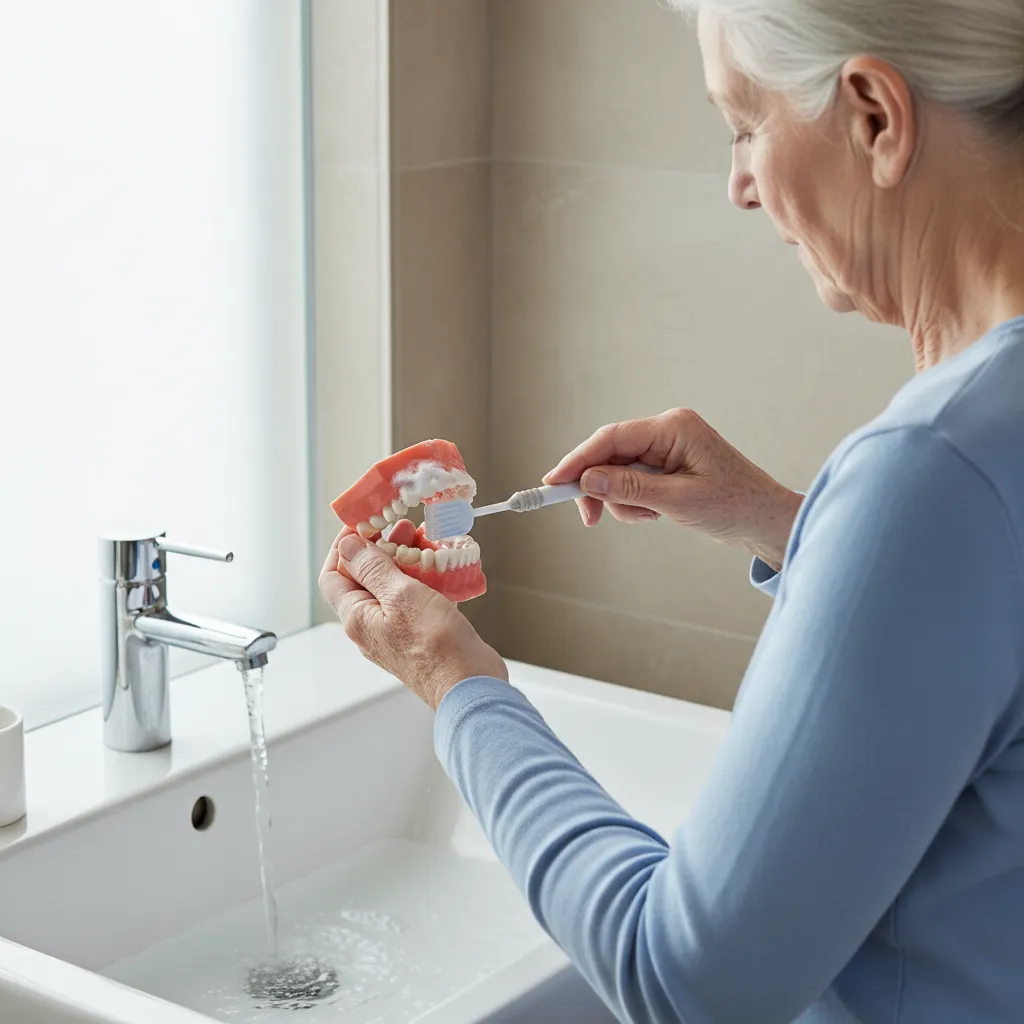
Careful daily cleaning helps dentures sit more comfortably on the gums.
Let’s tackle the big question: how to make dentures fit better at home without putting your mouth or the denture at risk. Realistically, home care can support comfort but cannot replace professional adjustments.
1. Keep the denture and your mouth very clean
Plaque and food debris under a plate change the way it sits and feel like grit or “high spots”. Consistent cleaning also lowers the risk of infections such as denture stomatitis.
- Brush the denture twice a day with a soft brush and non abrasive cleanser.
- Rinse your mouth and gently brush your gums, tongue and palate.
- Soak the denture overnight in water or a denture solution, as recommended by your dentist and consistent with ADA denture cleaning advice.
2. Use denture adhesive as a helper, not a permanent fix
Modern denture adhesives can improve retention and comfort when used on a well made denture. A systematic review of randomized trials found that they significantly increased chewing performance in complete denture wearers. Think of adhesive as a thin “cushion” under a sound plate helpful, but never a substitute for proper fit.
Denture adhesive is a helper, not a permanent fix.
- Apply a thin, even layer following the product’s instructions.
- A little usually goes a long way; excess can ooze and irritate tissues.
- If you suddenly need much more adhesive than before, book a professional review.
For clinicians, our overview of digital denture workflows shows how adhesives sit alongside relines, rebases and new dentures in a broader treatment plan.
3. Give new dentures time but not unlimited time
New dentures feel unfamiliar. It often takes several weeks for muscles and speech to adapt, and small pressure areas are common; Australian government guidance notes that follow up adjustments are normal as gums settle under a new denture. Healthdirect’s denture guide explains that adaptation typically occurs over months, with review visits to fine tune the fit.
If you are still struggling after review visits, or your bite never felt “quite right”, check in again rather than simply persevering.
Clinical options to make loose dentures fit better
For a long term solution, the key question is not only how to make loose dentures fit better, but why they became loose. Your dentist will assess bone height, gum health, the bite and the denture itself before recommending one or more of the following:
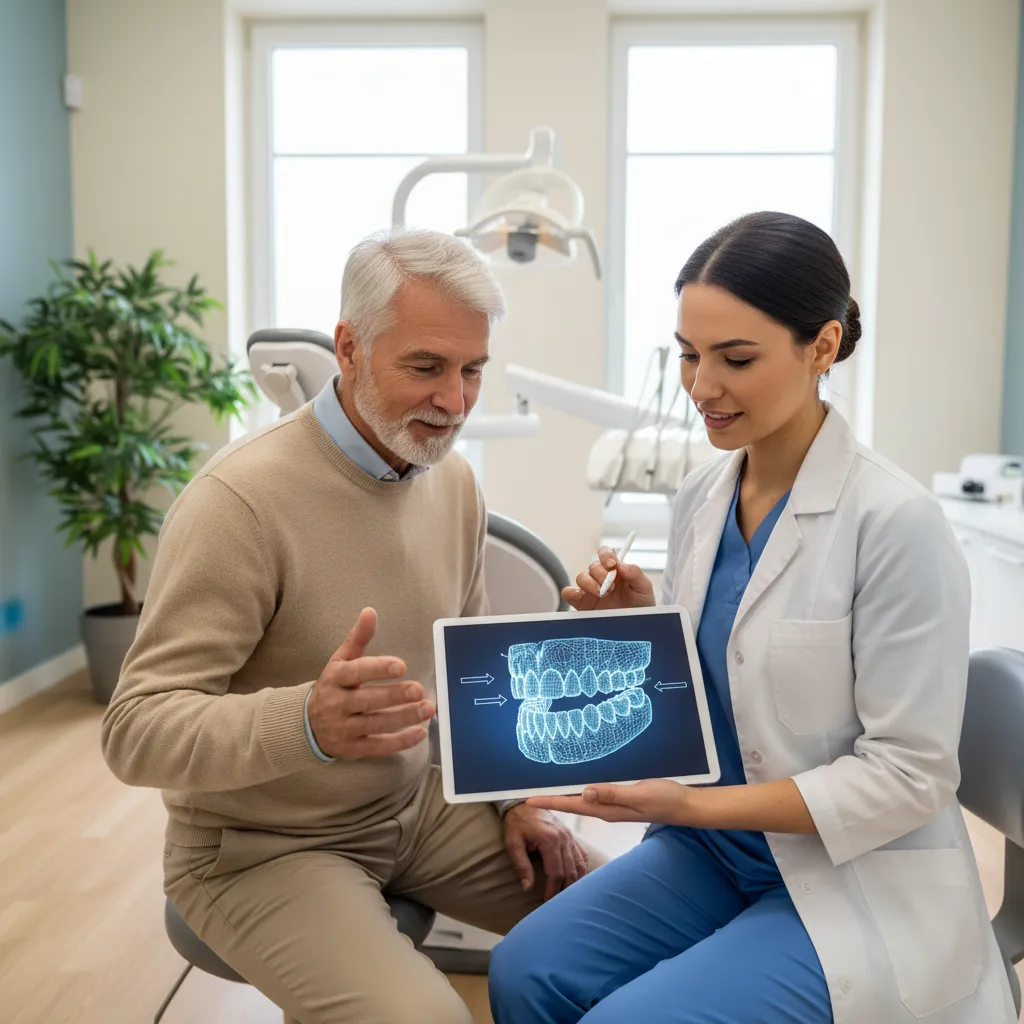
Well fitting dentures come from careful planning between the dentist, patient and lab.
1. Chairside soft reline
A soft reline uses a cushioning material added to the fitting surface of the denture in the dental chair. It is often chosen:
- During healing after extractions
- When the ridge is uneven or very sensitive
- As a temporary step before a more permanent reline or remake
2. Laboratory processed hard reline
For a hard reline, the dentist takes a new impression inside your existing denture and sends it to a lab such as NovaDent Labs for removable prosthetics work. The fitting surface is replaced with fresh acrylic that matches your current bone and gum shape, while preserving the familiar appearance and tooth arrangement.
Well executed lab relines can dramatically improve stability and extend the life of a denture that is otherwise in good condition.
3. Rebasing or remaking the denture
Sometimes the acrylic base is worn, stained or cracked, or the original setup no longer supports the bite. In these cases your dentist may recommend:
- Rebasing: Keeping the same teeth but replacing all of the acrylic base.
- Remake: Designing and fabricating an entirely new denture from start to finish.
A remake is common when a denture is more than 8–10 years old, or when your face and jaw relationships have changed significantly.
3R pathway: Reline → Rebase → Replace
Clinically, many cases follow a simple “3R” pathway: reline when a well made denture has merely lost adaptation to the ridge; rebase when the base material is tired but the teeth are still acceptable; and replace when tooth wear, aesthetics or jaw relationships have changed so much that a new denture or implant retained overdenture is more predictable long term.
| Step | What changes | Best for |
|---|---|---|
| Reline | Refreshes the fitting surface inside the existing denture. | Good denture that no longer matches the current ridge. |
| Rebase | Replaces all acrylic bases while keeping the same teeth. | Worn, stained or cracked base with acceptable teeth. |
| Replace | Makes a completely new denture or implant retained overdenture. | Major tooth wear, aesthetic changes or altered jaw relationships. |
4. Implant retained overdentures
For many lower full dentures, two or more implants can anchor the plate, transforming day to day comfort and chewing efficiency. A randomized trial of edentulous patients found that mandibular implant retained overdentures significantly improved oral health related quality of life and denture satisfaction compared with conventional dentures alone.
These treatments need careful planning between your dentist, surgeon and lab, but they can be life changing for patients who have struggled with unstable dentures for years. If you are considering this route, your clinician can work with a lab that provides dedicated implant retained overdentures and other implant restorations to sequence surgery, provisionalisation and the final prosthesis.
Quick case snapshot
A typical patient in their 70s has worn the same lower denture for almost a decade, relies on daily adhesive and eats mostly soft foods. Clinical review shows bone resorption and a denture that no longer matches the ridge, so a laboratory processed reline improves comfort in the short term while two mandibular implants with an overdenture restore long term stability.
How fit affects comfort, function and nutrition
Clinically we talk about “retention” and “stability”, but patients feel it as problems with eating and nutrition, speaking and confidence and pain and tissue health. Loose dentures push people towards soft, processed foods, make them self conscious about talking or laughing, and cause rubbing that can lead to ulcers, infections and further ridge changes that complicate future fit.

Stable dentures make it easier to enjoy a varied, nutritious diet with confidence.
When dentures are stable, studies show better comfort, stronger bite forces and higher oral health related quality of life, especially with implant retained overdentures; randomized trials report significant gains in chewing ability and patient reported outcomes when stability is improved.
Dentist + lab: the team behind a well fitting denture
A comfortable denture is never “just a plate”; it reflects good diagnosis, careful impressions, thoughtful design and precise lab work shared between clinician and technician.
At NovaDent Labs, we work with dentists across Australia to:
- Plan cases so material choice and design match each patient’s anatomy and expectations.
- Use digital workflows and CAD/CAM manufacturing to produce consistent fit and occlusion.
- Reduce chairside adjustments and remakes by checking fit and articulation before dispatch, including complex immediate and implant retained overdenture cases.
Dentists: To streamline your denture and removable prosthetics cases, you can request a price list, explore our For Dentists hub, or contact our team for case planning support.
FAQs
Can I file or reshape my denture at home?
Hand filing acrylic or clasp arms at home often weakens the denture or creates sharp edges that cut gums and cheeks. Once material is removed, it cannot be “put back on” without a professional reline or repair, so leave changes to your dental team.
How long should a denture last?
With good care, many dentures last 5–10 years, but biology doesn’t follow a fixed schedule. Rapid bone loss, illness, medication changes and wear patterns all influence how long a particular denture stays comfortable and functional. Annual check ups help catch issues early.
Is it safe to sleep with my dentures in?
Many guidelines, including the American Dental Association’s denture care advice, recommend taking dentures out at night to rest the tissues and lower the risk of infections and aspiration. See the ADA’s patient information on dentures for general guidance. Your dentist will explain what is best in your situation, especially with immediate dentures or certain medical conditions.
What is the best denture adhesive?
Different products (creams, powders, pads) suit different mouths. A comparative systematic review found little difference in chewing performance between cream and powder adhesives, with both improving function compared with no adhesive. This Journal of Dentistry review suggests that the best choice depends on your ridge shape, saliva, diet and dexterity rather than brand alone. Your dentist or prosthodontist can recommend options based on your case and any medications you take.
Related Posts
You may also be interested in

How to Find a Premium Dental Lab

Dental Implant Care: The Tooth May Be Artificial, But the Care Is Real
TMJ Splint vs Night Guard: What’s the Difference?

NovaDent Has Arrived.
Previously VTS Dental Labs.
Same team
Same standards
New identity
Visit our new website